News / National
Zimbabwe bank withdrawal fees cut to 2%
14 May 2026 at 19:20hrs |
0 Views
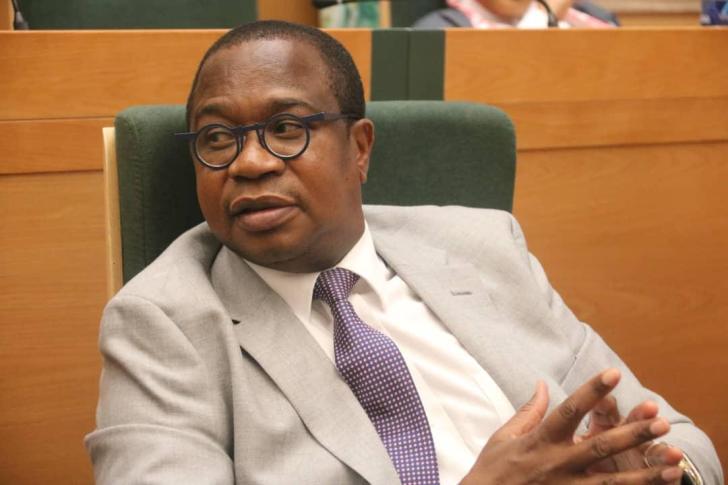
Zimbabwe has capped bank cash withdrawal charges at 2% for both U.S. dollar and Zimbabwe Gold (ZiG) transactions under a new set of financial sector reforms aimed at reducing banking costs and expanding financial inclusion.
Mthuli Ncube announced on Tuesday that Cabinet had approved the reforms, which include lower cash withdrawal fees. However, the Reserve Bank of Zimbabwe (RBZ) had already implemented the measure through its 2026 Monetary Policy Statement issued on February 27.
RBZ Governor John Mushayavanhu directed banks and deposit-taking microfinance institutions to cap withdrawal charges at a maximum of 2% of the amount withdrawn for both ATM and over-the-counter transactions in USD and ZiG. The directive took effect on March 31.
The cap prevents financial institutions from charging higher withdrawal fees, although banks remain free to charge less than the 2% ceiling.
Previously, some banks charged higher fees for over-the-counter withdrawals than for ATM transactions. Under the new framework, the same maximum rate now applies across all withdrawal channels.
For a worker withdrawing US$200 a month in two US$100 transactions, monthly withdrawal costs fall from US$6 at a 3% fee to US$4 under the new cap, resulting in annual savings of US$24.
A customer withdrawing US$500 in a single monthly transaction would save US$60 annually.
The reforms also alter the cost comparison between bank withdrawals and mobile money cash-outs.
EcoCash, Zimbabwe's largest mobile money platform, charges a 1.3% service fee on USD cash-outs between US$5 and US$500. A 2% Intermediated Money Transfer Tax (IMTT) is then added on USD transactions of US$5 and above, taking the total cost of cashing out US$100 to about US$3.30.
By comparison, the maximum bank withdrawal fee on US$100 is now US$2, making bank withdrawals cheaper by roughly US$1.30 per transaction where banks apply the full 2% charge.
Other reforms approved by Cabinet include lower mobile money transfer charges, zero-fee bank accounts for micro, small and medium enterprises (MSMEs), reduced RBZ supervision fees, removal of some rural branch licence fees, a 50% reduction in Securities and Exchange Commission of Zimbabwe registration and licence charges, and a review of import duty on ATM equipment.
The Finance Ministry said the measures were intended to "deepen financial inclusion and expand access to affordable financial services".
However, the reforms do not eliminate all transaction-related costs.
A proposed additional cash withdrawal levy of between 2% and 3%, floated in the 2026 National Budget, was dropped in December 2025 after public opposition. But the existing 2% IMTT on USD electronic transactions remains in place.
Depending on how transactions are classified, some customers could still face combined costs of up to 4% when IMTT is added to bank charges.
Bankers Association of Zimbabwe chief executive Fanwell Mutogo welcomed the reforms but said broader issues, including the IMTT, still needed to be addressed to restore confidence in the banking sector.
The fee cap could also affect bank earnings. CBZ Holdings reported about US$143 million in fee and commission income in 2025, and analysts say banks may respond to reduced fee income by increasing other charges or shifting greater focus toward lending activities.
For many Zimbabweans, the immediate benefit is relatively small but measurable, with a worker withdrawing US$200 a month expected to save about US$24 annually under the new fee cap.
Mthuli Ncube announced on Tuesday that Cabinet had approved the reforms, which include lower cash withdrawal fees. However, the Reserve Bank of Zimbabwe (RBZ) had already implemented the measure through its 2026 Monetary Policy Statement issued on February 27.
RBZ Governor John Mushayavanhu directed banks and deposit-taking microfinance institutions to cap withdrawal charges at a maximum of 2% of the amount withdrawn for both ATM and over-the-counter transactions in USD and ZiG. The directive took effect on March 31.
The cap prevents financial institutions from charging higher withdrawal fees, although banks remain free to charge less than the 2% ceiling.
Previously, some banks charged higher fees for over-the-counter withdrawals than for ATM transactions. Under the new framework, the same maximum rate now applies across all withdrawal channels.
For a worker withdrawing US$200 a month in two US$100 transactions, monthly withdrawal costs fall from US$6 at a 3% fee to US$4 under the new cap, resulting in annual savings of US$24.
A customer withdrawing US$500 in a single monthly transaction would save US$60 annually.
The reforms also alter the cost comparison between bank withdrawals and mobile money cash-outs.
EcoCash, Zimbabwe's largest mobile money platform, charges a 1.3% service fee on USD cash-outs between US$5 and US$500. A 2% Intermediated Money Transfer Tax (IMTT) is then added on USD transactions of US$5 and above, taking the total cost of cashing out US$100 to about US$3.30.
Other reforms approved by Cabinet include lower mobile money transfer charges, zero-fee bank accounts for micro, small and medium enterprises (MSMEs), reduced RBZ supervision fees, removal of some rural branch licence fees, a 50% reduction in Securities and Exchange Commission of Zimbabwe registration and licence charges, and a review of import duty on ATM equipment.
The Finance Ministry said the measures were intended to "deepen financial inclusion and expand access to affordable financial services".
However, the reforms do not eliminate all transaction-related costs.
A proposed additional cash withdrawal levy of between 2% and 3%, floated in the 2026 National Budget, was dropped in December 2025 after public opposition. But the existing 2% IMTT on USD electronic transactions remains in place.
Depending on how transactions are classified, some customers could still face combined costs of up to 4% when IMTT is added to bank charges.
Bankers Association of Zimbabwe chief executive Fanwell Mutogo welcomed the reforms but said broader issues, including the IMTT, still needed to be addressed to restore confidence in the banking sector.
The fee cap could also affect bank earnings. CBZ Holdings reported about US$143 million in fee and commission income in 2025, and analysts say banks may respond to reduced fee income by increasing other charges or shifting greater focus toward lending activities.
For many Zimbabweans, the immediate benefit is relatively small but measurable, with a worker withdrawing US$200 a month expected to save about US$24 annually under the new fee cap.
Source - newsday
Join the discussion
Loading comments…


