News / National
Zimra warns Bulawayo businesses over smuggling
14 May 2026 at 11:22hrs |
0 Views
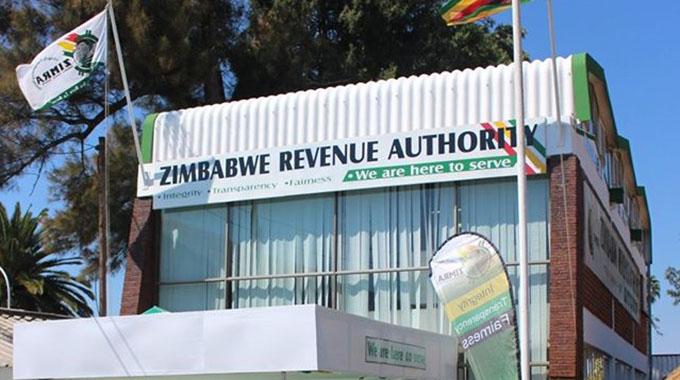
THE Zimbabwe Revenue Authority (Zimra) has warned Bulawayo businesses to fully comply with customs and excise regulations or risk severe penalties, seizure of goods and possible prosecution as authorities intensify crackdowns on illicit trade and smuggling.
The warning comes amid ongoing nationwide operations targeting illegally imported goods, with authorities increasing inspections, imposing fines and shutting down non-compliant businesses in a bid to protect local industries and restore order in the trading sector.
Speaking during a recent tax education programme in Bulawayo, Zimra Bulawayo Customs Revenue Officer Mr Thembinkosi Ndlovu said all importers are legally obliged to pay customs duty on dutiable goods and services.
"Every importer is obliged to pay customs duty on dutiable goods and services. Customs duty is levied on private and commercial goods," said Mr Ndlovu.
"For private importations, flat rates are used in duty calculation unless the importer elects to use specific rates of duty."
He explained that excise duty is imposed on selected goods manufactured or produced within Zimbabwe and warned that no person is allowed to manufacture excisable products without a valid licence issued by Zimra.
"Every excise manufacturer shall be licensed by Zimra and this licence is valid for one year. No person shall manufacture excisable goods without a licence," he said.
Mr Ndlovu said customs duty rates are guided by the Customs Tariffs under Statutory Instrument 203 of 2022, with different categories of goods attracting varying rates.
"A television set attracts a 55 percent rate on the value of the set, while clothing attracts a rate of 40 percent plus US$3 per kilogramme," he said.
For commercial imports, duty calculations are based on the cost, insurance and freight value of the goods.
"The commissioner has the right to revalue the goods where there are reasonable grounds to believe that the goods were under-declared," he added.
Mr Ndlovu also highlighted the importance of import permits and licences for controlled goods, warning that failure to comply attracts heavy penalties.
"To import controlled goods, the importer must have a licence or permit from the controlling authority. Failure to produce an import licence attracts a fine of US$2 000," he said.
He said certain goods remain completely prohibited from entering the country regardless of licensing arrangements, including vehicles older than 10 years and skin-lightening creams.
Mr Ndlovu identified common customs offences as smuggling, false declarations, under-valuing goods, deliberate misclassification, forgery of invoices and failure to comply with import controls.
"Committing any of the above offences will result in the goods being seized," he warned.
He added that seized goods may only be released after payment of outstanding duties, penalties and submission of required permits, while more serious violations could result in permanent forfeiture of goods to the State.
"Depending on the severity of the offence, the goods may be forfeited to the State and disposed of through rummage sales or appropriation," he said.
Mr Ndlovu also outlined export procedures, saying individuals exporting goods for personal use are not required to complete a Bill of Entry or produce a CD1 form, unlike commercial exporters who must comply with full export documentation requirements.
He said exporters dealing with controlled products such as agricultural produce, livestock, minerals and currency must first satisfy the requirements of the relevant regulatory authorities before exporting goods.
The warning comes amid ongoing nationwide operations targeting illegally imported goods, with authorities increasing inspections, imposing fines and shutting down non-compliant businesses in a bid to protect local industries and restore order in the trading sector.
Speaking during a recent tax education programme in Bulawayo, Zimra Bulawayo Customs Revenue Officer Mr Thembinkosi Ndlovu said all importers are legally obliged to pay customs duty on dutiable goods and services.
"Every importer is obliged to pay customs duty on dutiable goods and services. Customs duty is levied on private and commercial goods," said Mr Ndlovu.
"For private importations, flat rates are used in duty calculation unless the importer elects to use specific rates of duty."
He explained that excise duty is imposed on selected goods manufactured or produced within Zimbabwe and warned that no person is allowed to manufacture excisable products without a valid licence issued by Zimra.
"Every excise manufacturer shall be licensed by Zimra and this licence is valid for one year. No person shall manufacture excisable goods without a licence," he said.
Mr Ndlovu said customs duty rates are guided by the Customs Tariffs under Statutory Instrument 203 of 2022, with different categories of goods attracting varying rates.
"A television set attracts a 55 percent rate on the value of the set, while clothing attracts a rate of 40 percent plus US$3 per kilogramme," he said.
For commercial imports, duty calculations are based on the cost, insurance and freight value of the goods.
"The commissioner has the right to revalue the goods where there are reasonable grounds to believe that the goods were under-declared," he added.
Mr Ndlovu also highlighted the importance of import permits and licences for controlled goods, warning that failure to comply attracts heavy penalties.
"To import controlled goods, the importer must have a licence or permit from the controlling authority. Failure to produce an import licence attracts a fine of US$2 000," he said.
He said certain goods remain completely prohibited from entering the country regardless of licensing arrangements, including vehicles older than 10 years and skin-lightening creams.
Mr Ndlovu identified common customs offences as smuggling, false declarations, under-valuing goods, deliberate misclassification, forgery of invoices and failure to comply with import controls.
"Committing any of the above offences will result in the goods being seized," he warned.
He added that seized goods may only be released after payment of outstanding duties, penalties and submission of required permits, while more serious violations could result in permanent forfeiture of goods to the State.
"Depending on the severity of the offence, the goods may be forfeited to the State and disposed of through rummage sales or appropriation," he said.
Mr Ndlovu also outlined export procedures, saying individuals exporting goods for personal use are not required to complete a Bill of Entry or produce a CD1 form, unlike commercial exporters who must comply with full export documentation requirements.
He said exporters dealing with controlled products such as agricultural produce, livestock, minerals and currency must first satisfy the requirements of the relevant regulatory authorities before exporting goods.
Source - The Herald
Join the discussion
Loading comments…




