News / National
US$191m levy windfall to fund cancer equipment rollout
29 Mar 2026 at 11:13hrs |
0 Views
Zimbabwe's health sector is set for a major upgrade after Treasury collected more than US$191 million from airtime and sugar taxes last year, funds earmarked for the procurement and installation of cancer treatment equipment at central hospitals.
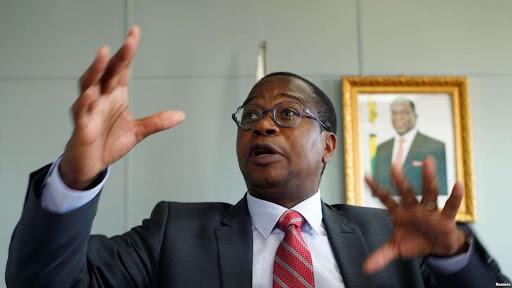
Finance, Economic Development and Investment Promotion Minister Mthuli Ncube told the Parliament of Zimbabwe that the levies are already being channelled towards strengthening the country's cancer treatment capacity.
"In 2025, we collected US$191 807 072 from airtime and sugar taxes combined," Ncube said, noting that the figures remain subject to audit.
The funds are being directed through the Health Fund, with a significant portion already allocated to the Ministry of Health and Child Care.
Progress is underway at Parirenyatwa Group of Hospitals, where installation of new cancer machines is at an advanced stage. Once operational, older equipment will be redeployed to other hospitals in need.
Ncube said similar upgrades are planned for Mpilo Central Hospital, although he acknowledged delays due to the technical complexity of procuring and installing specialised medical equipment.
"It has taken time for the Ministry to organise and ensure readiness to receive these machines, but progress is being made," he said.
Beyond infrastructure, the Treasury also plans to support access to cancer drugs using the same funding streams.
Government says the initiative forms part of broader efforts championed by President Emmerson Mnangagwa to strengthen public health delivery and improve access to critical services.
Ncube argued that Zimbabwe is leading the continent in innovative health financing mechanisms, citing taxes on airtime, sugar-sweetened beverages, gambling, and the long-standing AIDS levy as examples.
"We are a leader in Africa in thinking of ways to fund our health sector," he said.
Meanwhile, the minister updated lawmakers on progress in addressing Zimbabwe's debt burden, confirming that government has signed a letter of intent with the International Monetary Fund under a Staff-Monitored Programme (SMP).
He said the SMP is a key step toward restructuring the country's external debt, including arrears to institutions such as the African Development Bank and the World Bank.
Ncube added that negotiations would eventually extend to the Paris Club, as Zimbabwe seeks to normalise relations with international lenders.
While challenges remain, authorities say the dual focus on healthcare investment and debt resolution signals a broader effort to stabilise the economy and improve public service delivery.
Finance, Economic Development and Investment Promotion Minister Mthuli Ncube told the Parliament of Zimbabwe that the levies are already being channelled towards strengthening the country's cancer treatment capacity.
"In 2025, we collected US$191 807 072 from airtime and sugar taxes combined," Ncube said, noting that the figures remain subject to audit.
The funds are being directed through the Health Fund, with a significant portion already allocated to the Ministry of Health and Child Care.
Progress is underway at Parirenyatwa Group of Hospitals, where installation of new cancer machines is at an advanced stage. Once operational, older equipment will be redeployed to other hospitals in need.
Ncube said similar upgrades are planned for Mpilo Central Hospital, although he acknowledged delays due to the technical complexity of procuring and installing specialised medical equipment.
"It has taken time for the Ministry to organise and ensure readiness to receive these machines, but progress is being made," he said.
Government says the initiative forms part of broader efforts championed by President Emmerson Mnangagwa to strengthen public health delivery and improve access to critical services.
Ncube argued that Zimbabwe is leading the continent in innovative health financing mechanisms, citing taxes on airtime, sugar-sweetened beverages, gambling, and the long-standing AIDS levy as examples.
"We are a leader in Africa in thinking of ways to fund our health sector," he said.
Meanwhile, the minister updated lawmakers on progress in addressing Zimbabwe's debt burden, confirming that government has signed a letter of intent with the International Monetary Fund under a Staff-Monitored Programme (SMP).
He said the SMP is a key step toward restructuring the country's external debt, including arrears to institutions such as the African Development Bank and the World Bank.
Ncube added that negotiations would eventually extend to the Paris Club, as Zimbabwe seeks to normalise relations with international lenders.
While challenges remain, authorities say the dual focus on healthcare investment and debt resolution signals a broader effort to stabilise the economy and improve public service delivery.
Source - Sunday Mail
Join the discussion
Loading comments…




