News / National
Residents reject prepaid water meters
09 Apr 2026 at 14:06hrs |
517 Views
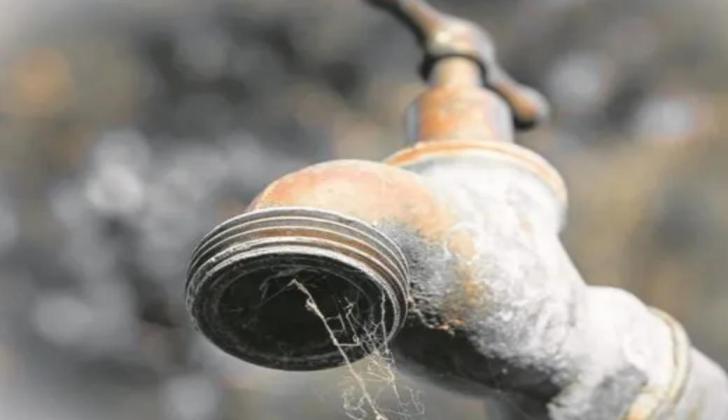
Residents of Glen View 1 and Budiriro 3 in Harare have strongly opposed the installation of prepaid water meters by the City of Harare, citing lack of consultation, deteriorating water services, and potential violations of constitutional rights.
The meetings, held on March 30–31, 2026 and facilitated by the Community Water Alliance with support from Zimbabwe Lawyers for Human Rights, drew residents who voiced frustration over unreliable water supply and fears that the new billing system would deepen inequality.
Residents argued that they are being required to pay upfront for a service that is already inconsistent and often unavailable. Many said they rely on boreholes due to frequent shortages, raising concerns about affordability and access to safe water.
Water infrastructure in the city has deteriorated significantly, with burst pipes, ageing treatment systems, and widespread leakage contributing to chronic shortages.
Legal representatives from ZLHR cited Section 77 of the Constitution, which guarantees the right to safe, clean and potable water, arguing that the rollout of prepaid meters without consultation may violate constitutional protections and provisions of the Urban Councils Act.
They also criticised the lack of meaningful public engagement, saying affected communities were not properly consulted before the policy was introduced.
Activists warned that introducing prepaid meters without first repairing the city's ageing water infrastructure would fail to resolve underlying problems. Estimates shared at the meeting suggest thousands of kilometres of piping require urgent rehabilitation.
Residents described the policy as unfair and potentially harmful, particularly to low-income households already struggling with basic needs.
Community representatives called for the suspension of the rollout, broader public consultation, and investment in water infrastructure before any billing reforms are implemented. They also urged Parliament and central government to intervene.
Councillors for the affected wards reportedly did not attend the meetings and were unavailable for comment.
Meanwhile, the City of Harare has announced that water pumping to greater Harare resumed following repairs at Warren Control, though residents say supply challenges remain unresolved.
The dispute highlights growing tension between urban residents and local authorities over service delivery, affordability, and constitutional rights in Zimbabwe's capital.
The meetings, held on March 30–31, 2026 and facilitated by the Community Water Alliance with support from Zimbabwe Lawyers for Human Rights, drew residents who voiced frustration over unreliable water supply and fears that the new billing system would deepen inequality.
Residents argued that they are being required to pay upfront for a service that is already inconsistent and often unavailable. Many said they rely on boreholes due to frequent shortages, raising concerns about affordability and access to safe water.
Water infrastructure in the city has deteriorated significantly, with burst pipes, ageing treatment systems, and widespread leakage contributing to chronic shortages.
Legal representatives from ZLHR cited Section 77 of the Constitution, which guarantees the right to safe, clean and potable water, arguing that the rollout of prepaid meters without consultation may violate constitutional protections and provisions of the Urban Councils Act.
They also criticised the lack of meaningful public engagement, saying affected communities were not properly consulted before the policy was introduced.
Activists warned that introducing prepaid meters without first repairing the city's ageing water infrastructure would fail to resolve underlying problems. Estimates shared at the meeting suggest thousands of kilometres of piping require urgent rehabilitation.
Residents described the policy as unfair and potentially harmful, particularly to low-income households already struggling with basic needs.
Community representatives called for the suspension of the rollout, broader public consultation, and investment in water infrastructure before any billing reforms are implemented. They also urged Parliament and central government to intervene.
Councillors for the affected wards reportedly did not attend the meetings and were unavailable for comment.
Meanwhile, the City of Harare has announced that water pumping to greater Harare resumed following repairs at Warren Control, though residents say supply challenges remain unresolved.
The dispute highlights growing tension between urban residents and local authorities over service delivery, affordability, and constitutional rights in Zimbabwe's capital.
Source - newsday
Join the discussion
Loading comments…





