News / National
Zimbabwe Parliament report claims 99.4% support for CAB3
04 Jun 2026 at 15:29hrs |
0 Views
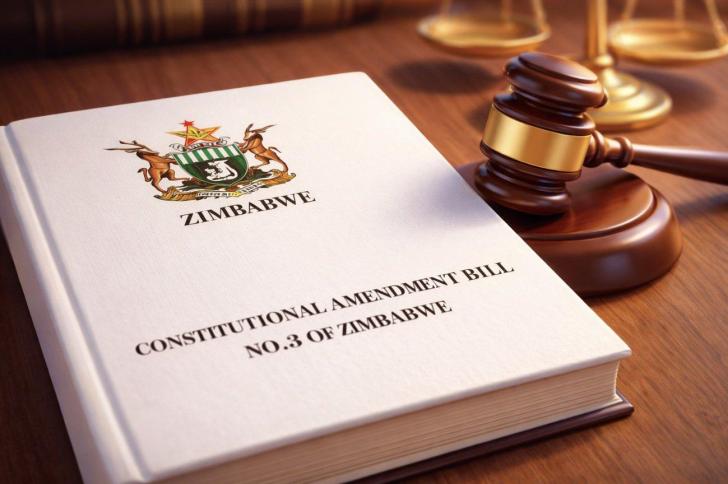
A parliamentary committee report tabled in Zimbabwe's National Assembly on Wednesday claims that an overwhelming 99.4 percent of submissions received during nationwide public consultations on the Constitution of Zimbabwe Amendment (No. 3) Bill supported the proposed changes.
The report, presented by the Joint Portfolio Committee on Justice, Legal and Parliamentary Affairs alongside eight other committees, states that out of 540,037 total submissions, 537,102 were in favour of the Bill.
The constitutional amendments include proposals to extend the presidential term from five to seven years and to replace direct presidential elections with selection by Parliament.
The findings have triggered immediate scepticism from critics, who argue the figures are inconsistent with broader public sentiment and reflect what they describe as a managed consultation process.
Of the total submissions cited, 470,117 were written submissions physically delivered to Parliament, with 469,040 reportedly supporting the Bill.
However, email submissions presented a contrasting picture: out of 2,232 emails received, 1,472 opposed the amendments while only 760 supported them.
A total of 67,688 people are recorded as having attended public hearings nationwide, with 67,302 allegedly supporting the Bill and only 386 recorded in opposition.
Observers say the disparities, particularly between email submissions and physically collected inputs, raise questions about the representativeness and methodology of the consultation process.
The report was tabled as the Bill passed its second reading in Parliament and moves toward further debate and a final vote.
Justice Minister Ziyambi Ziyambi has indicated that the legislative process is expected to be completed within a short timeframe, with some observers suggesting it could be finalised within days.
The ruling Zanu-PF party holds a two-thirds majority in the National Assembly and maintains strong influence in the Senate, giving it the numerical capacity to pass constitutional amendments without opposition support.
If adopted, the Bill would extend the current presidential term cycle and potentially push President Emmerson Mnangagwa's tenure beyond the 2028 constitutional limit to 2030.
The figures have been strongly rejected by opposition figures and civil society organisations, who argue that the consultation process lacked transparency and was marred by intimidation and procedural irregularities.
Former Finance Minister and opposition politician Tendai Biti said the reported outcomes did not reflect genuine public opinion, alleging that the process had been engineered to manufacture consent.
He and other critics argue that logistical arrangements, mobilisation of ruling party supporters, and exclusion of dissenting voices undermined the credibility of the hearings.
The Bill has also reignited legal debate over Section 328(7) of the Constitution, which prohibits amendments that extend a sitting office-holder's term from benefiting that individual.
Civil society groups, religious organisations, legal bodies and constitutional scholars have raised objections, while several court challenges remain pending.
Meanwhile, supporters of the Bill argue that the parliamentary process was lawful and that the consultation process met constitutional requirements.
The Constitutional Amendment No. 3 Bill is among the most consequential reforms in recent years, proposing wide-ranging changes including alterations to presidential elections, electoral administration, and judicial appointment powers.
Zanu-PF has governed Zimbabwe since independence in 1980, first under Robert Mugabe and since 2017 under Mnangagwa following a military-assisted transition of power.
Mnangagwa was re-elected in 2023 in a contested election and is currently serving what would be his final term under the existing constitutional framework, set to expire in 2028.
The proposed amendment would effectively reset that timeline, extending his potential stay in office to 2030, subject to parliamentary approval.
The report, presented by the Joint Portfolio Committee on Justice, Legal and Parliamentary Affairs alongside eight other committees, states that out of 540,037 total submissions, 537,102 were in favour of the Bill.
The constitutional amendments include proposals to extend the presidential term from five to seven years and to replace direct presidential elections with selection by Parliament.
The findings have triggered immediate scepticism from critics, who argue the figures are inconsistent with broader public sentiment and reflect what they describe as a managed consultation process.
Of the total submissions cited, 470,117 were written submissions physically delivered to Parliament, with 469,040 reportedly supporting the Bill.
However, email submissions presented a contrasting picture: out of 2,232 emails received, 1,472 opposed the amendments while only 760 supported them.
A total of 67,688 people are recorded as having attended public hearings nationwide, with 67,302 allegedly supporting the Bill and only 386 recorded in opposition.
Observers say the disparities, particularly between email submissions and physically collected inputs, raise questions about the representativeness and methodology of the consultation process.
The report was tabled as the Bill passed its second reading in Parliament and moves toward further debate and a final vote.
Justice Minister Ziyambi Ziyambi has indicated that the legislative process is expected to be completed within a short timeframe, with some observers suggesting it could be finalised within days.
The ruling Zanu-PF party holds a two-thirds majority in the National Assembly and maintains strong influence in the Senate, giving it the numerical capacity to pass constitutional amendments without opposition support.
If adopted, the Bill would extend the current presidential term cycle and potentially push President Emmerson Mnangagwa's tenure beyond the 2028 constitutional limit to 2030.
The figures have been strongly rejected by opposition figures and civil society organisations, who argue that the consultation process lacked transparency and was marred by intimidation and procedural irregularities.
Former Finance Minister and opposition politician Tendai Biti said the reported outcomes did not reflect genuine public opinion, alleging that the process had been engineered to manufacture consent.
He and other critics argue that logistical arrangements, mobilisation of ruling party supporters, and exclusion of dissenting voices undermined the credibility of the hearings.
The Bill has also reignited legal debate over Section 328(7) of the Constitution, which prohibits amendments that extend a sitting office-holder's term from benefiting that individual.
Civil society groups, religious organisations, legal bodies and constitutional scholars have raised objections, while several court challenges remain pending.
Meanwhile, supporters of the Bill argue that the parliamentary process was lawful and that the consultation process met constitutional requirements.
The Constitutional Amendment No. 3 Bill is among the most consequential reforms in recent years, proposing wide-ranging changes including alterations to presidential elections, electoral administration, and judicial appointment powers.
Zanu-PF has governed Zimbabwe since independence in 1980, first under Robert Mugabe and since 2017 under Mnangagwa following a military-assisted transition of power.
Mnangagwa was re-elected in 2023 in a contested election and is currently serving what would be his final term under the existing constitutional framework, set to expire in 2028.
The proposed amendment would effectively reset that timeline, extending his potential stay in office to 2030, subject to parliamentary approval.
Source - online
Join the discussion
Loading comments…





