Opinion / Columnist
Sengezo Tshabangu: The man who reshaped Zimbabwe's opposition
11 Aug 2026 at 06:57hrs |
360 Views
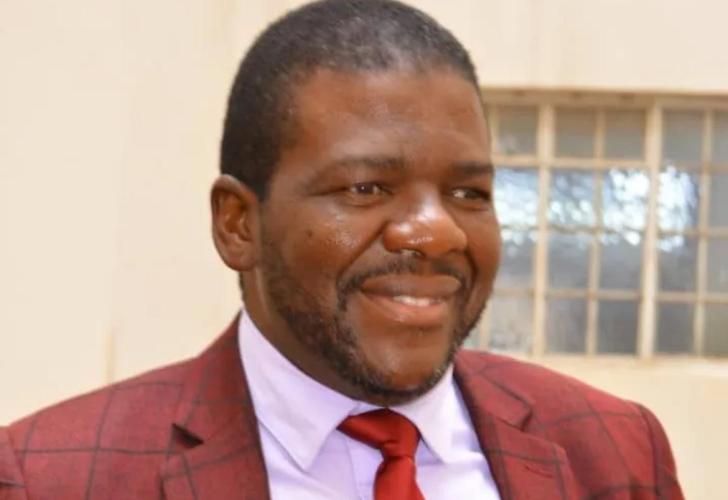
ALMOST three years after a little-known opposition activist was filmed protesting outside the Bulawayo High Court over the Citizen Coalition for Change (CCC)'s candidate selection process, Sengezo Tshabangu has become one of the most consequential and controversial figures in Zimbabwean politics.
At the time, few people outside mainstream political circles knew Tshabangu.
He was seen by some as a disgruntled politician venting his frustrations, while others believed his complaints had merit even though the opposition's candidate selection process had already moved on.
Nearby was prominent lawyer and politician Kucaca Phulu, who had also fallen by the wayside in the CCC nomination process.
Few could have imagined that the relatively obscure politician would soon play a central role in reshaping Zimbabwe's political landscape.
When Zimbabweans went to the polls in August 2023, the country's dominant political contest appeared to be between President Emmerson Mnangagwa and then opposition leader Nelson Chamisa.
But within weeks, Tshabangu would emerge as the catalyst for an extraordinary crisis that engulfed the CCC, triggering recalls of elected legislators and councillors, forcing costly by-elections and weakening the opposition's parliamentary presence.
His rise has been both remarkable and deeply controversial.
From political journeyman to national figure
Before October 2023, Tshabangu was largely unknown to the wider Zimbabwean public, despite having spent more than two decades navigating the fragmented opposition movement.
His political journey began in the Movement for Democratic Change (MDC) under the late Morgan Tsvangirai, where he served as Matabeleland North provincial chairperson in 2008.
In 2014, he joined the faction that broke away from Tsvangirai and formed Tendai Biti's People's Democratic Party.
He later returned to the MDC Alliance ahead of the 2018 elections and participated in key meetings that eventually culminated in the formation of the CCC in January 2022.
CCC officials said Chamisa co-opted him into the party's national executive committee following the formation of the MDC Alliance in 2018.
Tshabangu also had roots in the trade union movement and was regarded by some party members as one of the opposition's longest-serving activists.
Yet his lengthy involvement in opposition politics did little to give him a national profile.
That changed dramatically in October 2023.
The letter that changed everything
Tshabangu thrust himself into the political spotlight when he declared himself the CCC's interim secretary-general and notified Parliament that several elected representatives had ceased to be members of the party.
The recalls were accepted, setting off a political chain reaction.
Despite repeated denials from Chamisa and senior CCC officials, Tshabangu continued submitting recall notices targeting MPs, senators and councillors.
The ensuing legal battles reached the courts, while decisions by Parliament and the Zimbabwe Electoral Commission gave effect to many of the recalls.
The result was a dramatic reduction in the CCC's parliamentary and local government representation, accompanied by a series of by-elections.
The crisis eventually contributed to the collapse of the CCC as a coherent political vehicle.
In January 2024, Chamisa announced his departure from the party, saying it had been infiltrated and could no longer serve as an effective instrument for democratic change.
Tshabangu, meanwhile, continued his political ascent.
In March 2024, he was sworn in as a senator representing Matabeleland North.
Two months later, National Assembly Speaker Jacob Mudenda announced that Tshabangu had been appointed leader of the opposition in Parliament, although questions were subsequently raised over the process through which the decision had been reached.
A polarising legacy
Nearly three years after his emergence, Tshabangu remains one of the most divisive figures in Zimbabwean politics.
To his supporters, his intervention exposed constitutional and organisational weaknesses within the opposition.
To his critics, he became the central figure in the destruction of the CCC and developments that strengthened Zanu-PF's dominance in Parliament.
Mthwakazi Republic Party president Mqondisi Moyo said the political consequences of Tshabangu's actions were undeniable, regardless of one's view of his motives.
"From my assessment, there is substantial publicly documented evidence that the political developments associated with Tshabangu have fundamentally altered Zimbabwe's opposition landscape," Moyo said.
He said the recalls of opposition legislators and councillors had created instability within the opposition while weakening its parliamentary strength and organisational cohesion.
"The practical consequence of these developments has been the weakening of organised opposition politics and the consolidation of the ruling party's political position," he said.
However, Moyo cautioned against concluding that Tshabangu deliberately acted to strengthen Zanu-PF without evidence.
"Whether Tshabangu intended to strengthen Zanu-PF is ultimately a matter known only to him. It would not be appropriate to present speculation as fact," he said.
A Bulawayo political analyst took a more critical view, arguing that Tshabangu had accomplished something that years of political confrontation had failed to achieve.
"Tshabangu, whether on his own or with the help of Zanu-PF, has succeeded in annihilating the opposition, at least for now," the analyst said.
The analyst described Tshabangu as both an opportunist and a strategic political actor who exploited weaknesses within the CCC.
"He seems to have studied the weaknesses and loopholes in the opposition and struck with a chilling effect to control and manage the opposition. He seems to be doing everything possible to aid the regime," the analyst said.
The analyst argued that while Zanu-PF's parliamentary dominance had increased, the wider opposition remained significant outside Parliament.
"In a way, Zanu-PF has no opposition to worry about inside Parliament, but the opposition is swelling outside. The current dominance or one-party state scenario is artificial," the analyst said.
More than one man
For Moyo, however, the Tshabangu phenomenon should not be viewed solely through the actions of one politician.
He argued that Tshabangu's rise exposed longstanding institutional weaknesses within Zimbabwe's opposition, including leadership disputes, factionalism, constitutional ambiguities and organisational weaknesses.
These vulnerabilities, he said, have repeatedly undermined opposition parties attempting to challenge Zanu-PF's political dominance.
The question of Tshabangu's motives therefore remains fiercely contested.
Was he acting out of personal political ambition? Did he exploit genuine weaknesses within the CCC? Was he acting independently, or did his actions objectively serve the interests of the ruling establishment?
There is no universally accepted answer.
What is clear, however, is the scale of his impact.
A politician who was barely known to the wider public before the 2023 elections became the catalyst for the largest crisis to hit Zimbabwe's main opposition movement in years.
His actions helped trigger recalls, by-elections, court battles and the eventual fragmentation of the CCC, while elevating him from an obscure opposition activist to a national political figure.
Whether history ultimately records Sengezo Tshabangu as the architect of the opposition's implosion, a political opportunist, an independent operator or the politician who exposed the opposition's deepest structural weaknesses, his place in Zimbabwe's post-2023 political history is already difficult to ignore.
At the time, few people outside mainstream political circles knew Tshabangu.
He was seen by some as a disgruntled politician venting his frustrations, while others believed his complaints had merit even though the opposition's candidate selection process had already moved on.
Nearby was prominent lawyer and politician Kucaca Phulu, who had also fallen by the wayside in the CCC nomination process.
Few could have imagined that the relatively obscure politician would soon play a central role in reshaping Zimbabwe's political landscape.
When Zimbabweans went to the polls in August 2023, the country's dominant political contest appeared to be between President Emmerson Mnangagwa and then opposition leader Nelson Chamisa.
But within weeks, Tshabangu would emerge as the catalyst for an extraordinary crisis that engulfed the CCC, triggering recalls of elected legislators and councillors, forcing costly by-elections and weakening the opposition's parliamentary presence.
His rise has been both remarkable and deeply controversial.
From political journeyman to national figure
Before October 2023, Tshabangu was largely unknown to the wider Zimbabwean public, despite having spent more than two decades navigating the fragmented opposition movement.
His political journey began in the Movement for Democratic Change (MDC) under the late Morgan Tsvangirai, where he served as Matabeleland North provincial chairperson in 2008.
In 2014, he joined the faction that broke away from Tsvangirai and formed Tendai Biti's People's Democratic Party.
He later returned to the MDC Alliance ahead of the 2018 elections and participated in key meetings that eventually culminated in the formation of the CCC in January 2022.
CCC officials said Chamisa co-opted him into the party's national executive committee following the formation of the MDC Alliance in 2018.
Tshabangu also had roots in the trade union movement and was regarded by some party members as one of the opposition's longest-serving activists.
Yet his lengthy involvement in opposition politics did little to give him a national profile.
That changed dramatically in October 2023.
The letter that changed everything
Tshabangu thrust himself into the political spotlight when he declared himself the CCC's interim secretary-general and notified Parliament that several elected representatives had ceased to be members of the party.
The recalls were accepted, setting off a political chain reaction.
Despite repeated denials from Chamisa and senior CCC officials, Tshabangu continued submitting recall notices targeting MPs, senators and councillors.
The ensuing legal battles reached the courts, while decisions by Parliament and the Zimbabwe Electoral Commission gave effect to many of the recalls.
The result was a dramatic reduction in the CCC's parliamentary and local government representation, accompanied by a series of by-elections.
The crisis eventually contributed to the collapse of the CCC as a coherent political vehicle.
In January 2024, Chamisa announced his departure from the party, saying it had been infiltrated and could no longer serve as an effective instrument for democratic change.
Tshabangu, meanwhile, continued his political ascent.
In March 2024, he was sworn in as a senator representing Matabeleland North.
A polarising legacy
Nearly three years after his emergence, Tshabangu remains one of the most divisive figures in Zimbabwean politics.
To his supporters, his intervention exposed constitutional and organisational weaknesses within the opposition.
To his critics, he became the central figure in the destruction of the CCC and developments that strengthened Zanu-PF's dominance in Parliament.
Mthwakazi Republic Party president Mqondisi Moyo said the political consequences of Tshabangu's actions were undeniable, regardless of one's view of his motives.
"From my assessment, there is substantial publicly documented evidence that the political developments associated with Tshabangu have fundamentally altered Zimbabwe's opposition landscape," Moyo said.
He said the recalls of opposition legislators and councillors had created instability within the opposition while weakening its parliamentary strength and organisational cohesion.
"The practical consequence of these developments has been the weakening of organised opposition politics and the consolidation of the ruling party's political position," he said.
However, Moyo cautioned against concluding that Tshabangu deliberately acted to strengthen Zanu-PF without evidence.
"Whether Tshabangu intended to strengthen Zanu-PF is ultimately a matter known only to him. It would not be appropriate to present speculation as fact," he said.
A Bulawayo political analyst took a more critical view, arguing that Tshabangu had accomplished something that years of political confrontation had failed to achieve.
"Tshabangu, whether on his own or with the help of Zanu-PF, has succeeded in annihilating the opposition, at least for now," the analyst said.
The analyst described Tshabangu as both an opportunist and a strategic political actor who exploited weaknesses within the CCC.
"He seems to have studied the weaknesses and loopholes in the opposition and struck with a chilling effect to control and manage the opposition. He seems to be doing everything possible to aid the regime," the analyst said.
The analyst argued that while Zanu-PF's parliamentary dominance had increased, the wider opposition remained significant outside Parliament.
"In a way, Zanu-PF has no opposition to worry about inside Parliament, but the opposition is swelling outside. The current dominance or one-party state scenario is artificial," the analyst said.
More than one man
For Moyo, however, the Tshabangu phenomenon should not be viewed solely through the actions of one politician.
He argued that Tshabangu's rise exposed longstanding institutional weaknesses within Zimbabwe's opposition, including leadership disputes, factionalism, constitutional ambiguities and organisational weaknesses.
These vulnerabilities, he said, have repeatedly undermined opposition parties attempting to challenge Zanu-PF's political dominance.
The question of Tshabangu's motives therefore remains fiercely contested.
Was he acting out of personal political ambition? Did he exploit genuine weaknesses within the CCC? Was he acting independently, or did his actions objectively serve the interests of the ruling establishment?
There is no universally accepted answer.
What is clear, however, is the scale of his impact.
A politician who was barely known to the wider public before the 2023 elections became the catalyst for the largest crisis to hit Zimbabwe's main opposition movement in years.
His actions helped trigger recalls, by-elections, court battles and the eventual fragmentation of the CCC, while elevating him from an obscure opposition activist to a national political figure.
Whether history ultimately records Sengezo Tshabangu as the architect of the opposition's implosion, a political opportunist, an independent operator or the politician who exposed the opposition's deepest structural weaknesses, his place in Zimbabwe's post-2023 political history is already difficult to ignore.
Source - The Standard
All articles and letters published on Bulawayo24 have been independently written by members of Bulawayo24's community. The views of users published on Bulawayo24 are therefore their own and do not necessarily represent the views of Bulawayo24. Bulawayo24 editors also reserve the right to edit or delete any and all comments received.
Join the discussion
Loading comments…


