News / National
Dynamite blasts threaten Harare luxury homes
11 Aug 2026 at 06:56hrs |
0 Views
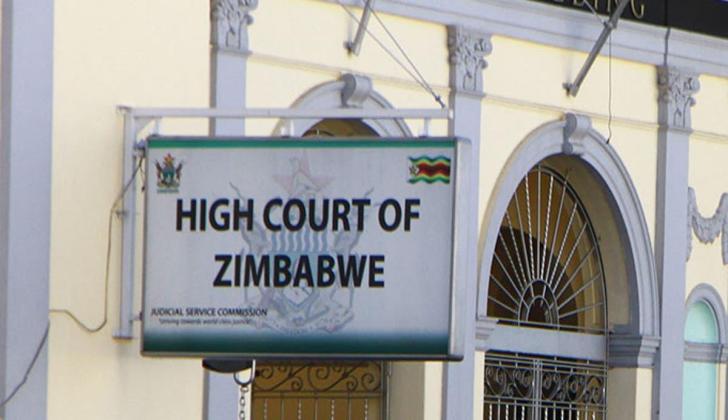
The High Court has stopped blasting operations at a housing development in Harare's Arlington East suburb after residents complained that the use of dynamite had caused cracks and structural damage to their properties.
The Arlington East Residents Association successfully obtained an interim interdict against the Dunowen Residents Association, a group of stand owners developing properties in the neighbouring area, following blasting activities on July 31 and August 1, 2026.
The residents, represented by Chipandire, Mavhaire and Zinto Law Chambers, approached the High Court on an urgent basis in terms of Rule 60 of the High Court Rules, 2021.
They cited the Dunowen Residents Association, project manager Gareth Palmer, the City of Harare, the Environmental Management Agency (EMA) and the chief inspector of explosives as respondents.
In court papers, the Arlington East residents said they had invested heavily in developing their properties, with each affected property valued at no less than US$250 000. The combined value of the properties was said to exceed US$20 million.
The residents submitted that blasting carried out during the development had caused cracks and other damage to both immovable and movable property.
Pictorial evidence submitted to the court identified several affected properties, including those belonging to Pepukai Nyandebvu, Wilfred Tavagadza, Trish W. Muzaza, Andrew Mutsure and Mr F. Manyuchi.
The residents argued that the development was ongoing and there was therefore a reasonable likelihood that further blasting would take place unless the court intervened.
They warned that continued use of explosives could result in more serious structural damage and potentially endanger residents.
"The damage complained of happened in a space of less than 24 hours, yet many properties have been damaged," the applicants submitted.
They further warned that another round of explosions could cause properties to suffer irreparable damage and, in extreme circumstances, result in buildings collapsing and people being injured or killed.
The residents also told the court that repairing cracks in double-storey buildings could cost thousands of dollars, exposing homeowners to substantial financial losses in addition to the risk of losing shelter or suffering injury.
They argued that their rights to ownership, occupation, peaceful enjoyment of their properties and protection under the law were being threatened.
High Court judge Justice Kashton Kachambwa granted interim relief pending the final determination of the matter.
The judge ordered the relevant authorities, including EMA, Palmer, the chief inspector of explosives and the City of Harare, to ensure compliance with the order.
The chief inspector of explosives was specifically directed to ensure that no explosives were used in contravention of the law pending determination of the application.
The Dunowen Residents Association was also ordered to pay the costs of the legal proceedings.
The ruling effectively places the controversial blasting operations under judicial scrutiny while the broader dispute between the neighbouring developments is resolved.
The Arlington East Residents Association successfully obtained an interim interdict against the Dunowen Residents Association, a group of stand owners developing properties in the neighbouring area, following blasting activities on July 31 and August 1, 2026.
The residents, represented by Chipandire, Mavhaire and Zinto Law Chambers, approached the High Court on an urgent basis in terms of Rule 60 of the High Court Rules, 2021.
They cited the Dunowen Residents Association, project manager Gareth Palmer, the City of Harare, the Environmental Management Agency (EMA) and the chief inspector of explosives as respondents.
In court papers, the Arlington East residents said they had invested heavily in developing their properties, with each affected property valued at no less than US$250 000. The combined value of the properties was said to exceed US$20 million.
The residents submitted that blasting carried out during the development had caused cracks and other damage to both immovable and movable property.
Pictorial evidence submitted to the court identified several affected properties, including those belonging to Pepukai Nyandebvu, Wilfred Tavagadza, Trish W. Muzaza, Andrew Mutsure and Mr F. Manyuchi.
The residents argued that the development was ongoing and there was therefore a reasonable likelihood that further blasting would take place unless the court intervened.
They warned that continued use of explosives could result in more serious structural damage and potentially endanger residents.
"The damage complained of happened in a space of less than 24 hours, yet many properties have been damaged," the applicants submitted.
They further warned that another round of explosions could cause properties to suffer irreparable damage and, in extreme circumstances, result in buildings collapsing and people being injured or killed.
The residents also told the court that repairing cracks in double-storey buildings could cost thousands of dollars, exposing homeowners to substantial financial losses in addition to the risk of losing shelter or suffering injury.
They argued that their rights to ownership, occupation, peaceful enjoyment of their properties and protection under the law were being threatened.
High Court judge Justice Kashton Kachambwa granted interim relief pending the final determination of the matter.
The judge ordered the relevant authorities, including EMA, Palmer, the chief inspector of explosives and the City of Harare, to ensure compliance with the order.
The chief inspector of explosives was specifically directed to ensure that no explosives were used in contravention of the law pending determination of the application.
The Dunowen Residents Association was also ordered to pay the costs of the legal proceedings.
The ruling effectively places the controversial blasting operations under judicial scrutiny while the broader dispute between the neighbouring developments is resolved.
Source - The Standard
Join the discussion
Loading comments…





