News / National
Africans in South Africa put on notice
08 Jun 2026 at 13:16hrs |
0 Views
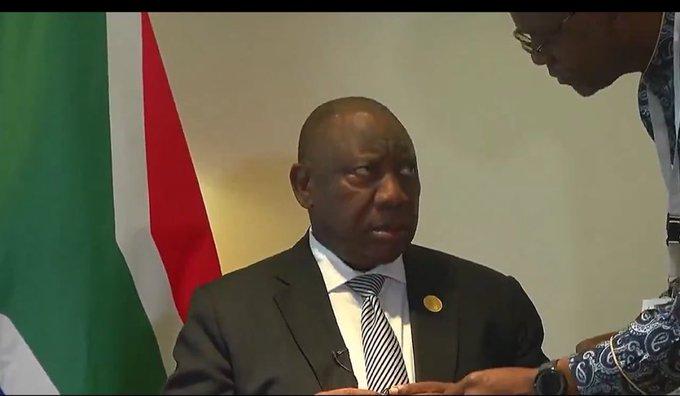
South African President Cyril Ramaphosa has unveiled a raft of new measures aimed at curbing illegal migration, strengthening border security and addressing growing public concern over unemployment and pressure on public services.
In a national address, Ramaphosa announced plans to introduce tougher penalties for employers who hire undocumented migrants, establish specialised courts to fast-track deportation cases and create a comprehensive biometric register covering every person in the country as part of efforts to combat identity fraud and improve immigration management.
The announcement comes against the backdrop of rising anti-foreigner sentiment and growing tensions in several communities across South Africa. Over recent weeks, a number of African countries have organised the repatriation of their citizens amid fears of escalating violence and intimidation directed at migrants.
In the Western Cape, hundreds of migrants reportedly fled their homes in the Overberg region following reports of door-to-door intimidation and the deaths of two Mozambican nationals in Mossel Bay. Many sought refuge in community halls, on beaches and in nearby mountainous areas, while others opted to return to their home countries. This weekend, another group of approximately 140 migrants boarded buses bound for Malawi and Mozambique.
In Durban, foreign nationals have been camping outside Home Affairs offices for several weeks, citing fears for their safety as tensions continue to simmer.
Addressing the nation, Ramaphosa acknowledged that illegal migration was placing additional strain on public resources and that government had a responsibility to respond decisively.
He said the government's approach would focus on stricter enforcement of immigration laws, enhanced border management, tackling corruption within the immigration system, closing legal loopholes and strengthening cooperation with other African countries to address migration challenges.
At the same time, the president warned South Africans against taking the law into their own hands.
"I must make it clear that only the authorised government officials may act against violations of the law, including violation of our immigration laws," Ramaphosa said.
"No other person is allowed, for example, to confront someone in the street to demand proof of nationality."
He also condemned attempts to exploit public concerns for political, personal or criminal gain and warned against the spread of misinformation targeting foreign nationals.
"We will act against forces who are exploiting the concerns of our people about illegal immigration to further their own political, personal or criminal agendas," he said.
Ramaphosa reiterated that South Africa remains committed to principles of tolerance and inclusion.
"There is no space for xenophobia, racism, sexism, Afrophobia or any other forms of intolerance in South Africa," he said.
"Our country – like many others throughout history – is a product of migration. It is the reason for our diversity and contributes to our vibrancy."
Official figures indicate that more than three million foreign nationals live in South Africa, representing about five percent of the population, although the number of undocumented migrants is believed to be significantly higher.
The president highlighted the scale of illegal migration, revealing that the Border Management Authority had intercepted more than 450,000 people attempting to enter South Africa illegally over the past year.
"In the past year alone, the Border Management Authority managed to intercept and stop over 450,000 people who were attempting to enter South Africa illegally," he said.
Ramaphosa also announced plans to recruit 10,000 labour inspectors to target employers who exploit undocumented migrants by paying them below legal wage levels. Businesses found guilty of violating immigration and labour regulations could face tougher sanctions, including imprisonment.
The government will also phase out South Africa's green identity documents, which authorities say have been vulnerable to fraud and abuse by criminal syndicates. The move forms part of broader plans to introduce a digital identity system.
Other reforms include relocating refugee reception centres closer to border posts and tightening oversight of informal businesses. Ramaphosa specifically referred to concerns raised by communities about the growing number of foreign-owned spaza shops operating in townships, saying measures would be introduced to ensure all informal businesses are properly registered.
The government also intends to introduce employment quotas for foreign nationals in specific sectors of the economy.
The measures come as South Africa continues to grapple with one of the highest unemployment rates in the world, estimated at around 33 percent, with young people bearing the brunt of the crisis.
Ramaphosa said special envoys would be dispatched to other African countries to explain the new immigration measures and strengthen regional cooperation.
Despite the challenges, the president expressed confidence that South Africa would overcome the current tensions and emerge stronger.
"South Africa has overcome far greater challenges than this. We have overcome division. We have overcome conflict. We have overcome injustice. We will overcome this challenge too," he said.
He concluded by expressing hope that the reforms would help build a country that is secure, lawful, compassionate and prosperous while ensuring that immigration is managed in a manner that protects both national interests and human dignity.
In a national address, Ramaphosa announced plans to introduce tougher penalties for employers who hire undocumented migrants, establish specialised courts to fast-track deportation cases and create a comprehensive biometric register covering every person in the country as part of efforts to combat identity fraud and improve immigration management.
The announcement comes against the backdrop of rising anti-foreigner sentiment and growing tensions in several communities across South Africa. Over recent weeks, a number of African countries have organised the repatriation of their citizens amid fears of escalating violence and intimidation directed at migrants.
In the Western Cape, hundreds of migrants reportedly fled their homes in the Overberg region following reports of door-to-door intimidation and the deaths of two Mozambican nationals in Mossel Bay. Many sought refuge in community halls, on beaches and in nearby mountainous areas, while others opted to return to their home countries. This weekend, another group of approximately 140 migrants boarded buses bound for Malawi and Mozambique.
In Durban, foreign nationals have been camping outside Home Affairs offices for several weeks, citing fears for their safety as tensions continue to simmer.
Addressing the nation, Ramaphosa acknowledged that illegal migration was placing additional strain on public resources and that government had a responsibility to respond decisively.
He said the government's approach would focus on stricter enforcement of immigration laws, enhanced border management, tackling corruption within the immigration system, closing legal loopholes and strengthening cooperation with other African countries to address migration challenges.
At the same time, the president warned South Africans against taking the law into their own hands.
"I must make it clear that only the authorised government officials may act against violations of the law, including violation of our immigration laws," Ramaphosa said.
"No other person is allowed, for example, to confront someone in the street to demand proof of nationality."
He also condemned attempts to exploit public concerns for political, personal or criminal gain and warned against the spread of misinformation targeting foreign nationals.
"We will act against forces who are exploiting the concerns of our people about illegal immigration to further their own political, personal or criminal agendas," he said.
Ramaphosa reiterated that South Africa remains committed to principles of tolerance and inclusion.
"There is no space for xenophobia, racism, sexism, Afrophobia or any other forms of intolerance in South Africa," he said.
"Our country – like many others throughout history – is a product of migration. It is the reason for our diversity and contributes to our vibrancy."
Official figures indicate that more than three million foreign nationals live in South Africa, representing about five percent of the population, although the number of undocumented migrants is believed to be significantly higher.
The president highlighted the scale of illegal migration, revealing that the Border Management Authority had intercepted more than 450,000 people attempting to enter South Africa illegally over the past year.
"In the past year alone, the Border Management Authority managed to intercept and stop over 450,000 people who were attempting to enter South Africa illegally," he said.
Ramaphosa also announced plans to recruit 10,000 labour inspectors to target employers who exploit undocumented migrants by paying them below legal wage levels. Businesses found guilty of violating immigration and labour regulations could face tougher sanctions, including imprisonment.
The government will also phase out South Africa's green identity documents, which authorities say have been vulnerable to fraud and abuse by criminal syndicates. The move forms part of broader plans to introduce a digital identity system.
Other reforms include relocating refugee reception centres closer to border posts and tightening oversight of informal businesses. Ramaphosa specifically referred to concerns raised by communities about the growing number of foreign-owned spaza shops operating in townships, saying measures would be introduced to ensure all informal businesses are properly registered.
The government also intends to introduce employment quotas for foreign nationals in specific sectors of the economy.
The measures come as South Africa continues to grapple with one of the highest unemployment rates in the world, estimated at around 33 percent, with young people bearing the brunt of the crisis.
Ramaphosa said special envoys would be dispatched to other African countries to explain the new immigration measures and strengthen regional cooperation.
Despite the challenges, the president expressed confidence that South Africa would overcome the current tensions and emerge stronger.
"South Africa has overcome far greater challenges than this. We have overcome division. We have overcome conflict. We have overcome injustice. We will overcome this challenge too," he said.
He concluded by expressing hope that the reforms would help build a country that is secure, lawful, compassionate and prosperous while ensuring that immigration is managed in a manner that protects both national interests and human dignity.
Source - online
Join the discussion
Loading comments…





