News / National
Zimbabwe joins BRICS bank
25 Jul 2026 at 18:10hrs |
0 Views
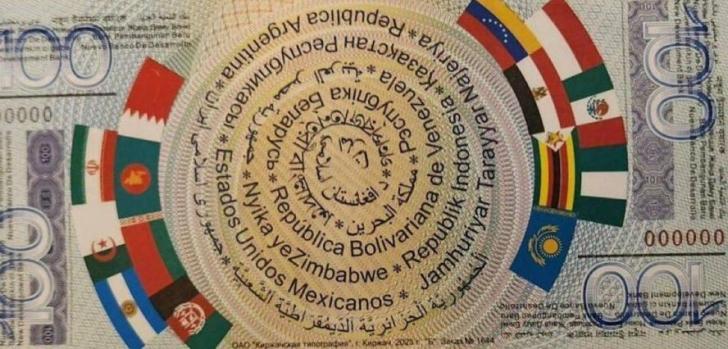
Zimbabwe has officially joined the BRICS New Development Bank (NDB) as part of the Government's efforts to secure alternative sources of long-term financing outside traditional Western-dominated lending institutions such as the World Bank.
The move comes as Harare continues to seek new funding avenues after being largely excluded from international capital markets for more than two decades.
Speaking during a panel discussion at the inaugural Zimbabwe Industrialisation Conference and Expo in Harare on Thursday, Minister of Finance, Economic Development and Investment Promotion Professor Mthuli Ncube said the country's membership of the BRICS bank is expected to unlock new credit lines to support Zimbabwe's industrialisation agenda.
"We are working with many banks to fund our industry, and we recently joined the BRICS bank, which is a positive step in acquiring credit lines that can power our industry," Professor Ncube said.
He said the Government would provide further details on Zimbabwe's membership in due course.
"A much more detailed and formal announcement will be made later, but these are some of the measures that we have put in place to secure funding for our industry," he added.
The New Development Bank was established by the BRICS grouping—Brazil, Russia, India, China and South Africa—to mobilise resources for infrastructure and sustainable development projects in emerging markets and developing economies.
Zimbabwe's membership is expected to broaden the country's financing options as it pursues investment in key sectors, including manufacturing, infrastructure, energy and mining, which are central to its industrialisation strategy.
The Government has increasingly sought alternative sources of development finance amid limited access to conventional multilateral lending, with officials arguing that diversified funding partnerships are essential to achieving the country's economic transformation goals.
Professor Ncube said engaging multiple financial institutions remains a key component of the Government's strategy to mobilise the capital required to drive industrial growth and expand productive capacity.
The move comes as Harare continues to seek new funding avenues after being largely excluded from international capital markets for more than two decades.
Speaking during a panel discussion at the inaugural Zimbabwe Industrialisation Conference and Expo in Harare on Thursday, Minister of Finance, Economic Development and Investment Promotion Professor Mthuli Ncube said the country's membership of the BRICS bank is expected to unlock new credit lines to support Zimbabwe's industrialisation agenda.
"We are working with many banks to fund our industry, and we recently joined the BRICS bank, which is a positive step in acquiring credit lines that can power our industry," Professor Ncube said.
He said the Government would provide further details on Zimbabwe's membership in due course.
The New Development Bank was established by the BRICS grouping—Brazil, Russia, India, China and South Africa—to mobilise resources for infrastructure and sustainable development projects in emerging markets and developing economies.
Zimbabwe's membership is expected to broaden the country's financing options as it pursues investment in key sectors, including manufacturing, infrastructure, energy and mining, which are central to its industrialisation strategy.
The Government has increasingly sought alternative sources of development finance amid limited access to conventional multilateral lending, with officials arguing that diversified funding partnerships are essential to achieving the country's economic transformation goals.
Professor Ncube said engaging multiple financial institutions remains a key component of the Government's strategy to mobilise the capital required to drive industrial growth and expand productive capacity.
Source - Business Times
Join the discussion
Loading comments…





