News / National
Bulawayo keeps 72-hour water shedding
25 Jul 2026 at 18:08hrs |
0 Views
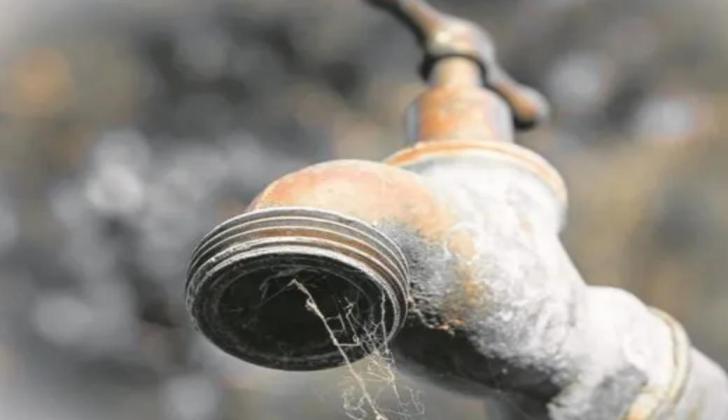
Bulawayo residents will remain on a 72-hour water shedding programme despite improved water levels in the city's supply dams, with the local authority saying ageing and damaged pumping infrastructure continues to constrain water delivery.
Speaking during a media briefing on Wednesday, Bulawayo City Council Director of Water and Sanitation, Engineer Sikhumbuzo Ncube, said the city's dams are currently between 65% and 66% full, providing a more secure water position than in recent years.
He said only Insiza Dam and Mtshabezi Dam are above 80% capacity, while the remaining reservoirs are below the halfway mark.
"Our dams currently hold between 65 and 66 percent. We have only two dams that are above 80 percent, which are Insiza Dam at 85 percent and Mtshabezi Dam at around 99 percent. The rest of the dams are under 50 percent," said Ncube.
He added that Umzingwane Dam would be the only reservoir decommissioned this year.
"This year there will be no decommissioning of dams except for Umzingwane Dam. In that regard, we have supplied more water compared to the last five years," he said.
Despite the improved storage levels, Ncube said ageing pumping infrastructure remains the biggest obstacle to restoring normal water supplies.
He said the council had commissioned four pumps at Umzingwane Dam and was rehabilitating pumping infrastructure at Inyankuni Dam, with work expected to begin in September.
Repairs are also underway at Ncema Dam, which supplies approximately 70% of Bulawayo's water requirements.
"Despite the fact that we have some reasonable amount of water in our dams, we still have challenges on the value chain of delivering water," Ncube said.
"We have water pumps which have also been damaged."
As a result, the city cannot yet reduce the current water rationing schedule.
"Under that current setup we are on 72-hour water shedding. We are working on reinstalling the new water pumps at Ncema," he said.
Ncube explained that Bulawayo sources its water from both groundwater and surface water systems.
The Nyamandlovu Aquifer supplies between eight and 10 megalitres of water daily through the Nyamandlovu Pump Station. The water is conveyed to Magwegwe Reservoir via the Cowdray Park Booster Station before being blended with treated water from Criterion Water Works to supply the city's western suburbs.
The bulk of Bulawayo's water, however, comes from a network of dams comprising Inyankuni, Lower Ncema, Upper Ncema, Umzingwane, Mtshabezi and Insiza.
Mtshabezi Dam is owned by the Zimbabwe National Water Authority (Zinwa), while Insiza Dam is jointly owned by Bulawayo City Council and Zinwa under an 80:20 ownership arrangement.
Ncube said ongoing rehabilitation works would restore full operation of the city's two raw water pumping lines.
The Sulzer pumping line has a capacity of 51 megalitres per day, while the Flowserve line can pump 54 megalitres daily, giving a combined capacity of 105 megalitres per day. Currently, only the Sulzer line is operational.
He said restoring both systems would significantly improve the amount of raw water reaching Criterion Water Works for treatment, boost supplies to service reservoirs and enhance the reliability of water distribution across the city.
"The enhanced system performance will enable the City to further reduce the water shedding programme, significantly improving the frequency and reliability of water supplies to residents while ensuring a more equitable distribution of the available water resource," said Ncube.
Speaking during a media briefing on Wednesday, Bulawayo City Council Director of Water and Sanitation, Engineer Sikhumbuzo Ncube, said the city's dams are currently between 65% and 66% full, providing a more secure water position than in recent years.
He said only Insiza Dam and Mtshabezi Dam are above 80% capacity, while the remaining reservoirs are below the halfway mark.
"Our dams currently hold between 65 and 66 percent. We have only two dams that are above 80 percent, which are Insiza Dam at 85 percent and Mtshabezi Dam at around 99 percent. The rest of the dams are under 50 percent," said Ncube.
He added that Umzingwane Dam would be the only reservoir decommissioned this year.
"This year there will be no decommissioning of dams except for Umzingwane Dam. In that regard, we have supplied more water compared to the last five years," he said.
Despite the improved storage levels, Ncube said ageing pumping infrastructure remains the biggest obstacle to restoring normal water supplies.
He said the council had commissioned four pumps at Umzingwane Dam and was rehabilitating pumping infrastructure at Inyankuni Dam, with work expected to begin in September.
Repairs are also underway at Ncema Dam, which supplies approximately 70% of Bulawayo's water requirements.
"Despite the fact that we have some reasonable amount of water in our dams, we still have challenges on the value chain of delivering water," Ncube said.
"We have water pumps which have also been damaged."
As a result, the city cannot yet reduce the current water rationing schedule.
"Under that current setup we are on 72-hour water shedding. We are working on reinstalling the new water pumps at Ncema," he said.
Ncube explained that Bulawayo sources its water from both groundwater and surface water systems.
The Nyamandlovu Aquifer supplies between eight and 10 megalitres of water daily through the Nyamandlovu Pump Station. The water is conveyed to Magwegwe Reservoir via the Cowdray Park Booster Station before being blended with treated water from Criterion Water Works to supply the city's western suburbs.
The bulk of Bulawayo's water, however, comes from a network of dams comprising Inyankuni, Lower Ncema, Upper Ncema, Umzingwane, Mtshabezi and Insiza.
Mtshabezi Dam is owned by the Zimbabwe National Water Authority (Zinwa), while Insiza Dam is jointly owned by Bulawayo City Council and Zinwa under an 80:20 ownership arrangement.
Ncube said ongoing rehabilitation works would restore full operation of the city's two raw water pumping lines.
The Sulzer pumping line has a capacity of 51 megalitres per day, while the Flowserve line can pump 54 megalitres daily, giving a combined capacity of 105 megalitres per day. Currently, only the Sulzer line is operational.
He said restoring both systems would significantly improve the amount of raw water reaching Criterion Water Works for treatment, boost supplies to service reservoirs and enhance the reliability of water distribution across the city.
"The enhanced system performance will enable the City to further reduce the water shedding programme, significantly improving the frequency and reliability of water supplies to residents while ensuring a more equitable distribution of the available water resource," said Ncube.
Source - Cite
Join the discussion
Loading comments…




