News / National
Zimbabwe faces critical shortages of midwives
11 Jun 2026 at 20:34hrs |
0 Views
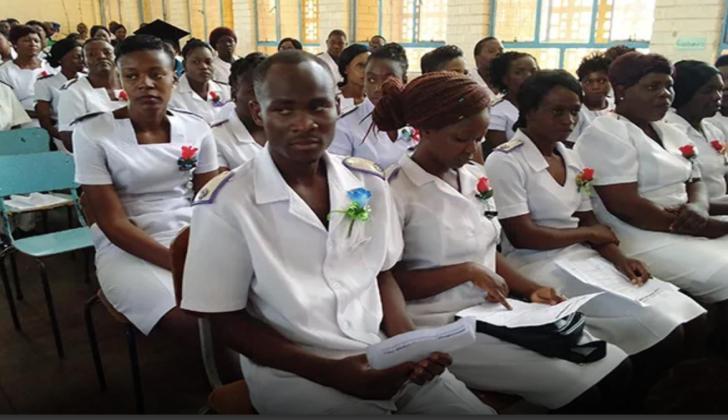
The Government has announced plans to strengthen Zimbabwe's midwifery workforce through expanded training programmes, digital learning platforms and retention initiatives aimed at improving maternal and newborn health outcomes.
The measures come as demand for maternal healthcare services continues to rise amid concerns over the migration of experienced health professionals to other countries.
Speaking during this year's International Day of the Midwife commemorations in Bulawayo, Deputy Minister of Health and Child Care, Sleiman Kwidini, said Government remained committed to investing in the training, welfare and retention of midwives.
"We are committed to increasing our investment in training, fair compensation and retention of midwives as outlined in our Health Workforce Strategy and Investment Compact," he said.
Held under the theme "One Million More Midwives", the commemorations highlighted the global shortage of midwives and the urgent need for increased investment in maternal and newborn healthcare services.
Kwidini said a strong midwifery workforce was essential to achieving Zimbabwe's goal of reducing preventable maternal deaths and improving access to quality maternal healthcare.
Zimbabwe currently operates 22 midwifery training schools, with plans underway to increase enrolment as part of efforts to expand the country's health workforce by 2030.
To improve access to training, Government has introduced a national e-learning platform for both pre-service and in-service midwifery education. The platform is expected to enable health workers to continue learning while remaining in active service.
Authorities have also shortened post-basic midwifery training from two years to one year for registered general nurses, a move intended to accelerate the production of qualified midwives.
President of the Zimbabwe Confederation of Midwives, Farai Marenga, said staff shortages continue to place significant pressure on the profession.
"The reality of the brain drain is visible in our understaffed wards, where one midwife often does the work of three or even more. We see it in the burnout and exhaustion of our colleagues," she said.
Marenga noted that while increasing the number of trained midwives was important, retaining experienced personnel was equally critical to ensuring quality healthcare delivery.
Despite staffing and resource constraints, midwives continue to play a vital role in maternal and newborn healthcare services across the country.
A midwife at Mpilo Central Hospital, Sikhangele Mguni, said the profession remained deeply fulfilling despite the challenges.
"I enjoy midwifery because, to me, it gives me the satisfaction that I am saving humanity and playing a part in bringing lives into this world," she said.
The Government's latest initiatives are expected to boost the number of skilled midwives while addressing workforce shortages that have affected maternal healthcare services in recent years.
The measures come as demand for maternal healthcare services continues to rise amid concerns over the migration of experienced health professionals to other countries.
Speaking during this year's International Day of the Midwife commemorations in Bulawayo, Deputy Minister of Health and Child Care, Sleiman Kwidini, said Government remained committed to investing in the training, welfare and retention of midwives.
"We are committed to increasing our investment in training, fair compensation and retention of midwives as outlined in our Health Workforce Strategy and Investment Compact," he said.
Held under the theme "One Million More Midwives", the commemorations highlighted the global shortage of midwives and the urgent need for increased investment in maternal and newborn healthcare services.
Kwidini said a strong midwifery workforce was essential to achieving Zimbabwe's goal of reducing preventable maternal deaths and improving access to quality maternal healthcare.
Zimbabwe currently operates 22 midwifery training schools, with plans underway to increase enrolment as part of efforts to expand the country's health workforce by 2030.
To improve access to training, Government has introduced a national e-learning platform for both pre-service and in-service midwifery education. The platform is expected to enable health workers to continue learning while remaining in active service.
President of the Zimbabwe Confederation of Midwives, Farai Marenga, said staff shortages continue to place significant pressure on the profession.
"The reality of the brain drain is visible in our understaffed wards, where one midwife often does the work of three or even more. We see it in the burnout and exhaustion of our colleagues," she said.
Marenga noted that while increasing the number of trained midwives was important, retaining experienced personnel was equally critical to ensuring quality healthcare delivery.
Despite staffing and resource constraints, midwives continue to play a vital role in maternal and newborn healthcare services across the country.
A midwife at Mpilo Central Hospital, Sikhangele Mguni, said the profession remained deeply fulfilling despite the challenges.
"I enjoy midwifery because, to me, it gives me the satisfaction that I am saving humanity and playing a part in bringing lives into this world," she said.
The Government's latest initiatives are expected to boost the number of skilled midwives while addressing workforce shortages that have affected maternal healthcare services in recent years.
Source - newsday
Join the discussion
Loading comments…


