News / National
Elderly women sue govt over inaccessible offices
23 Jun 2026 at 10:15hrs |
0 Views
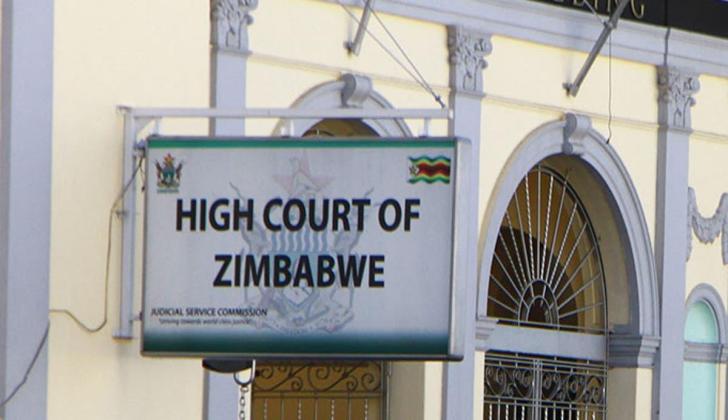
Two elderly women have approached the High Court seeking an order compelling the government to relocate the Legal Aid Directorate from offices they say are inaccessible to elderly people, persons with disabilities and other vulnerable citizens.
The case, which will be heard on July 2 before Nyaradzo Munangati-Manongwa, is being viewed as a potentially significant constitutional challenge concerning access to justice, equality and human dignity.
The applicants, Lillian Chinyerere and Lorraine Mavhunda, are represented by human rights lawyer Harrison Nkomo of Zimbabwe Lawyers for Human Rights (ZLHR).
According to court documents, the women filed their application on August 7 last year after experiencing difficulties accessing services at the Legal Aid Directorate's offices at Century House in Harare.
The applicants said they had previously received legal assistance from the directorate's former premises at the corner of Simon Muzenda Street and Samora Machel Avenue, where services were provided on the ground floor and were easily accessible.
Problems allegedly arose after the directorate relocated to the sixth floor of Century House.
The women contend that when they visited the offices, they discovered that the building's elevators were not functioning, leaving them with no option but to climb several flights of stairs.
Due to age-related mobility challenges, fatigue, balance difficulties and visual impairments, they said they were unable to access the offices and therefore unable to receive legal assistance.
According to their court application, officials informed them that the elevators could not be operated because the building had allegedly been condemned and using the lifts could compromise the structure.
Unable to enter the offices, the women claim they were forced to discuss confidential legal matters with officials in public areas outside the premises, resulting in a loss of privacy and dignity.
They argue that the inaccessible offices effectively exclude elderly people, persons living with disabilities and other vulnerable groups from accessing legal services.
"The lack of confidentiality prevents them from sharing personal and legal information freely, further impeding their access to justice," the application states.
The applicants further argue that the arrangement violates several constitutional rights, including the rights to equality before the law, dignity, privacy, access to information, administrative justice and access to justice.
They are asking the High Court to declare the continued operation of the Legal Aid Directorate from the current premises unconstitutional, unlawful and discriminatory.
Among the remedies sought is an order directing the Ministry of Justice, Legal and Parliamentary Affairs to relocate the directorate to accessible premises within 60 days of judgment.
They are also seeking an order compelling authorities to submit a written compliance plan within 30 days outlining how the relocation would be implemented.
The respondents cited in the application are the Justice, Legal and Parliamentary Affairs Minister, the Attorney-General and the Legal Aid Directorate.
In opposing the application, the ministry acknowledged the accessibility challenges at the current offices but argued that an immediate relocation would be costly and disruptive.
Court papers show that the ministry told the court it was already working towards what it described as a permanent and sustainable solution to the problem.
"A full-scale relocation of a critical government department is an extremely costly and logistically disruptive undertaking," the ministry argued.
However, the applicants maintain that constitutional rights cannot be delayed because of financial or administrative constraints.
The case is expected to test Zimbabwe's constitutional obligations regarding accessibility in public institutions and could establish an important legal precedent on the rights of elderly citizens and people living with disabilities.
For ZLHR, the matter represents a broader campaign to ensure that access to justice is available to all citizens regardless of age, physical ability or social circumstances.
The case, which will be heard on July 2 before Nyaradzo Munangati-Manongwa, is being viewed as a potentially significant constitutional challenge concerning access to justice, equality and human dignity.
The applicants, Lillian Chinyerere and Lorraine Mavhunda, are represented by human rights lawyer Harrison Nkomo of Zimbabwe Lawyers for Human Rights (ZLHR).
According to court documents, the women filed their application on August 7 last year after experiencing difficulties accessing services at the Legal Aid Directorate's offices at Century House in Harare.
The applicants said they had previously received legal assistance from the directorate's former premises at the corner of Simon Muzenda Street and Samora Machel Avenue, where services were provided on the ground floor and were easily accessible.
Problems allegedly arose after the directorate relocated to the sixth floor of Century House.
The women contend that when they visited the offices, they discovered that the building's elevators were not functioning, leaving them with no option but to climb several flights of stairs.
Due to age-related mobility challenges, fatigue, balance difficulties and visual impairments, they said they were unable to access the offices and therefore unable to receive legal assistance.
According to their court application, officials informed them that the elevators could not be operated because the building had allegedly been condemned and using the lifts could compromise the structure.
Unable to enter the offices, the women claim they were forced to discuss confidential legal matters with officials in public areas outside the premises, resulting in a loss of privacy and dignity.
They argue that the inaccessible offices effectively exclude elderly people, persons living with disabilities and other vulnerable groups from accessing legal services.
The applicants further argue that the arrangement violates several constitutional rights, including the rights to equality before the law, dignity, privacy, access to information, administrative justice and access to justice.
They are asking the High Court to declare the continued operation of the Legal Aid Directorate from the current premises unconstitutional, unlawful and discriminatory.
Among the remedies sought is an order directing the Ministry of Justice, Legal and Parliamentary Affairs to relocate the directorate to accessible premises within 60 days of judgment.
They are also seeking an order compelling authorities to submit a written compliance plan within 30 days outlining how the relocation would be implemented.
The respondents cited in the application are the Justice, Legal and Parliamentary Affairs Minister, the Attorney-General and the Legal Aid Directorate.
In opposing the application, the ministry acknowledged the accessibility challenges at the current offices but argued that an immediate relocation would be costly and disruptive.
Court papers show that the ministry told the court it was already working towards what it described as a permanent and sustainable solution to the problem.
"A full-scale relocation of a critical government department is an extremely costly and logistically disruptive undertaking," the ministry argued.
However, the applicants maintain that constitutional rights cannot be delayed because of financial or administrative constraints.
The case is expected to test Zimbabwe's constitutional obligations regarding accessibility in public institutions and could establish an important legal precedent on the rights of elderly citizens and people living with disabilities.
For ZLHR, the matter represents a broader campaign to ensure that access to justice is available to all citizens regardless of age, physical ability or social circumstances.
Source - newsday
Join the discussion
Loading comments…





