News / National
Harare undercover blitz hits InDrive drivers
07 Aug 2026 at 18:25hrs |
0 Views
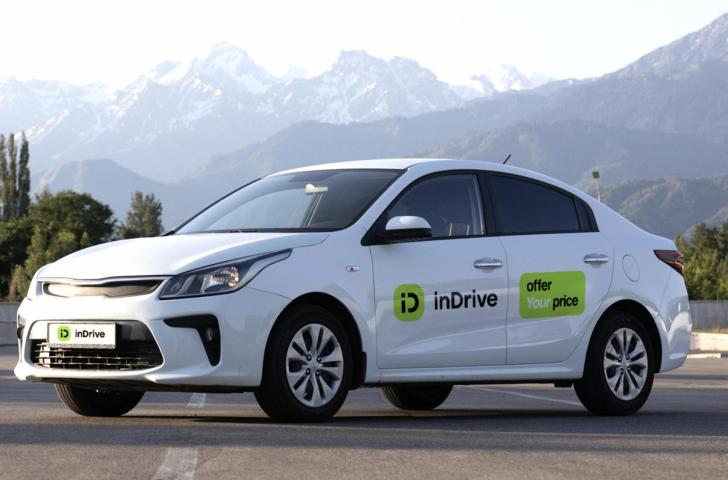
Harare City Council has intensified its crackdown on e-hailing platform InDrive, with municipal police allegedly posing as passengers to lure drivers into accepting trips before arresting and fining them for operating outside the city's regulatory framework.
The covert enforcement campaign has sparked anger among InDrive drivers, who accuse the local authority of using deceptive tactics instead of engaging the platform over licensing, taxation and regulatory compliance.
The operation forms part of the city's broader efforts to tighten control over the rapidly growing e-hailing sector as it begins implementing its newly adopted 2025-2045 Master Plan.
Council officials argue that platforms such as InDrive must be regularised to improve public safety, strengthen oversight and generate revenue for the municipality. Drivers, however, say the crackdown unfairly targets them while exposing them to additional security risks.
Several InDrive drivers this week reported receiving what they believed were ordinary ride requests, only to discover that the passengers were allegedly council officials conducting enforcement operations.
"Some city council official requested a ride on the InDrive application and I accepted without knowing he was a council official," one driver said on condition of anonymity.
"When I arrived, he said, 'You are under arrest for operating on InDrive using yellow number plates.' If there are tax and VAT issues, shouldn't the authorities also hold the owners of the application accountable instead of only targeting drivers?"
The driver said he was fined US$172.
Another driver described the current situation as a "game of cat and mouse" between InDrive operators and municipal police.
"There has been a sudden change in the way we operate in the city. Council officials are saying we need to be regularised," he said.
Other drivers warned that the alleged undercover operations were creating new security concerns, arguing that criminals could exploit the tactic by pretending to be municipal police officers.
"We are now more cautious about accepting ride requests, especially those originating from the central business district," another driver said.
The crackdown comes as Harare City Council begins implementing the transport component of its 2025-2045 Master Plan, which seeks to overhaul the capital's public transport system.
Harare chief town planner and Acting Director of Urban Planning Services Samuel Nyabeze said the rapid expansion of InDrive operations required regulatory intervention.
"We are busy on the new master plan and we have realised the issue of InDrives. As a council, we have not been benefiting. There are now too many in our city and they need to be regularised," Nyabeze said.
"I cannot speak on behalf of the government, but as Harare City Council, we have not been benefiting from InDrives."
His remarks come amid mounting challenges facing InDrive operations in Harare, including violent carjackings targeting drivers, regulatory enforcement actions and security concerns linked to unverified passenger accounts.
Nyabeze said the city was pursuing an ambitious public transport overhaul centred on deploying at least 2,000 buses through public-private partnerships.
"The 2,000 buses will be augmented by rail transport. This is how we are going to implement our master plan in terms of the public transportation system," he said.
He said his department had already begun implementing aspects of the transport strategy after presenting the master plan to council leadership.
Nyabeze reiterated that commuter omnibuses would not be banned immediately but would instead be phased out gradually as a modern mass transit system is introduced.
The draft master plan proposes removing kombis from Harare's transport network within three years at an estimated cost of US$693.6 million.
Nyabeze said the proposed Harare Light Rail Network forms part of the city's long-term vision to connect the central business district with residential suburbs, industrial zones and key economic corridors.
However, he stressed that the light rail project would require substantial support from central government.
"It is important to clarify that this is not a project that the City of Harare can implement on its own," he said.
"The development of a light rail system is a national-level infrastructural project. It will, therefore, be undertaken in collaboration with the relevant government ministries and State entities responsible for rail transport and major infrastructure development, with possible participation of private sector partners through public-private partnerships."
The 2025-2045 Master Plan is expected to shape Harare's urban development for the next two decades, with authorities seeking to modernise public transport, reduce congestion and improve mobility through an integrated road, bus and rail network.
The covert enforcement campaign has sparked anger among InDrive drivers, who accuse the local authority of using deceptive tactics instead of engaging the platform over licensing, taxation and regulatory compliance.
The operation forms part of the city's broader efforts to tighten control over the rapidly growing e-hailing sector as it begins implementing its newly adopted 2025-2045 Master Plan.
Council officials argue that platforms such as InDrive must be regularised to improve public safety, strengthen oversight and generate revenue for the municipality. Drivers, however, say the crackdown unfairly targets them while exposing them to additional security risks.
Several InDrive drivers this week reported receiving what they believed were ordinary ride requests, only to discover that the passengers were allegedly council officials conducting enforcement operations.
"Some city council official requested a ride on the InDrive application and I accepted without knowing he was a council official," one driver said on condition of anonymity.
"When I arrived, he said, 'You are under arrest for operating on InDrive using yellow number plates.' If there are tax and VAT issues, shouldn't the authorities also hold the owners of the application accountable instead of only targeting drivers?"
The driver said he was fined US$172.
Another driver described the current situation as a "game of cat and mouse" between InDrive operators and municipal police.
"There has been a sudden change in the way we operate in the city. Council officials are saying we need to be regularised," he said.
Other drivers warned that the alleged undercover operations were creating new security concerns, arguing that criminals could exploit the tactic by pretending to be municipal police officers.
"We are now more cautious about accepting ride requests, especially those originating from the central business district," another driver said.
The crackdown comes as Harare City Council begins implementing the transport component of its 2025-2045 Master Plan, which seeks to overhaul the capital's public transport system.
Harare chief town planner and Acting Director of Urban Planning Services Samuel Nyabeze said the rapid expansion of InDrive operations required regulatory intervention.
"We are busy on the new master plan and we have realised the issue of InDrives. As a council, we have not been benefiting. There are now too many in our city and they need to be regularised," Nyabeze said.
"I cannot speak on behalf of the government, but as Harare City Council, we have not been benefiting from InDrives."
His remarks come amid mounting challenges facing InDrive operations in Harare, including violent carjackings targeting drivers, regulatory enforcement actions and security concerns linked to unverified passenger accounts.
Nyabeze said the city was pursuing an ambitious public transport overhaul centred on deploying at least 2,000 buses through public-private partnerships.
"The 2,000 buses will be augmented by rail transport. This is how we are going to implement our master plan in terms of the public transportation system," he said.
He said his department had already begun implementing aspects of the transport strategy after presenting the master plan to council leadership.
Nyabeze reiterated that commuter omnibuses would not be banned immediately but would instead be phased out gradually as a modern mass transit system is introduced.
The draft master plan proposes removing kombis from Harare's transport network within three years at an estimated cost of US$693.6 million.
Nyabeze said the proposed Harare Light Rail Network forms part of the city's long-term vision to connect the central business district with residential suburbs, industrial zones and key economic corridors.
However, he stressed that the light rail project would require substantial support from central government.
"It is important to clarify that this is not a project that the City of Harare can implement on its own," he said.
"The development of a light rail system is a national-level infrastructural project. It will, therefore, be undertaken in collaboration with the relevant government ministries and State entities responsible for rail transport and major infrastructure development, with possible participation of private sector partners through public-private partnerships."
The 2025-2045 Master Plan is expected to shape Harare's urban development for the next two decades, with authorities seeking to modernise public transport, reduce congestion and improve mobility through an integrated road, bus and rail network.
Source - newsday
Join the discussion
Loading comments…



