News / National
Bulawayo faces condom shortage
07 Aug 2026 at 18:31hrs |
0 Views
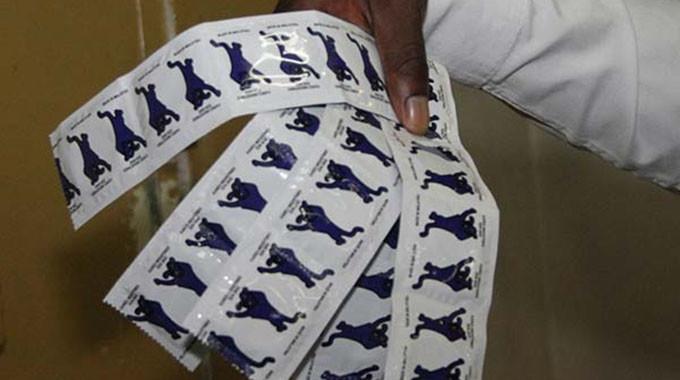
The Bulawayo City Council has raised alarm over a critical shortage of condoms following the withdrawal of international donor funding, warning that the supply crisis could undermine HIV prevention efforts, particularly in newly identified transmission hotspots.
The concerns emerged during a full council meeting on Wednesday, where the Health, Housing and Education Committee reported that the National AIDS Council (NAC) had identified Pumula and Magwegwe as areas of growing concern due to rising HIV infections.
Councillor Sikhululekile Moyo said the public should be made aware of the shortage while intensifying efforts to promote safer sexual behaviour.
"The shortage of condoms should be communicated to residents, while encouraging them to practise safe sex, including remaining faithful to one sexual partner," the committee recommended.
Moyo also stressed the importance of encouraging residents to know their HIV status to enable them to make informed decisions about their sexual health.
Council's Director of Health Services, Edwin Mzingwane Sibanda, told councillors that the shortage was largely a consequence of reduced international donor support.
According to the committee report, the decline in condom supplies followed the withdrawal of funding from major international partners, including the United States' foreign health assistance programmes.
The funding cuts came after the administration of US President Donald Trump significantly reduced foreign aid, resulting in the dismantling of the United States Agency for International Development (USAID), which had for years financed a substantial portion of Zimbabwe's condom supplies and supported HIV prevention programmes, including the free distribution of condoms and contraceptives.
Councillors also linked the increase in HIV infections to social and behavioural factors within the affected suburbs.
Moyo expressed concern over the proliferation of illegal nightclubs, particularly in Pumula and Magwegwe, accusing some licensed sports bars of operating as unregulated nightspots that encourage risky behaviour.
Councillor Lazarus Mpadwe said informal religious gatherings held in bushy areas had also become a cause for concern, alleging that some of these locations were associated with unprotected sexual activity.
Councillor Adrian Moyo described the situation as a wake-up call for the city's public health system, noting that support previously provided by non-governmental organisations such as the Organisation for Public Health Interventions and Development (OPHID), including HIV treatment, care services and incentives for community health workers, had diminished.
In response to the emerging challenges, Sibanda said the city would expand access to pre-exposure prophylaxis (PrEP) by making the HIV prevention medication available at more municipal clinics.
Despite the condom shortage, councillors emphasised that behavioural change remains central to reducing new HIV infections, urging residents to continue practising safer sex and to use condoms consistently and correctly whenever they are available.
The concerns emerged during a full council meeting on Wednesday, where the Health, Housing and Education Committee reported that the National AIDS Council (NAC) had identified Pumula and Magwegwe as areas of growing concern due to rising HIV infections.
Councillor Sikhululekile Moyo said the public should be made aware of the shortage while intensifying efforts to promote safer sexual behaviour.
"The shortage of condoms should be communicated to residents, while encouraging them to practise safe sex, including remaining faithful to one sexual partner," the committee recommended.
Moyo also stressed the importance of encouraging residents to know their HIV status to enable them to make informed decisions about their sexual health.
Council's Director of Health Services, Edwin Mzingwane Sibanda, told councillors that the shortage was largely a consequence of reduced international donor support.
According to the committee report, the decline in condom supplies followed the withdrawal of funding from major international partners, including the United States' foreign health assistance programmes.
The funding cuts came after the administration of US President Donald Trump significantly reduced foreign aid, resulting in the dismantling of the United States Agency for International Development (USAID), which had for years financed a substantial portion of Zimbabwe's condom supplies and supported HIV prevention programmes, including the free distribution of condoms and contraceptives.
Councillors also linked the increase in HIV infections to social and behavioural factors within the affected suburbs.
Moyo expressed concern over the proliferation of illegal nightclubs, particularly in Pumula and Magwegwe, accusing some licensed sports bars of operating as unregulated nightspots that encourage risky behaviour.
Councillor Lazarus Mpadwe said informal religious gatherings held in bushy areas had also become a cause for concern, alleging that some of these locations were associated with unprotected sexual activity.
Councillor Adrian Moyo described the situation as a wake-up call for the city's public health system, noting that support previously provided by non-governmental organisations such as the Organisation for Public Health Interventions and Development (OPHID), including HIV treatment, care services and incentives for community health workers, had diminished.
In response to the emerging challenges, Sibanda said the city would expand access to pre-exposure prophylaxis (PrEP) by making the HIV prevention medication available at more municipal clinics.
Despite the condom shortage, councillors emphasised that behavioural change remains central to reducing new HIV infections, urging residents to continue practising safer sex and to use condoms consistently and correctly whenever they are available.
Source - Southern Eye
Join the discussion
Loading comments…




