Opinion / Columnist
The Khumalo/Tshuma funeral united a tribally divided nation
06 Aug 2026 at 19:37hrs |
0 Views
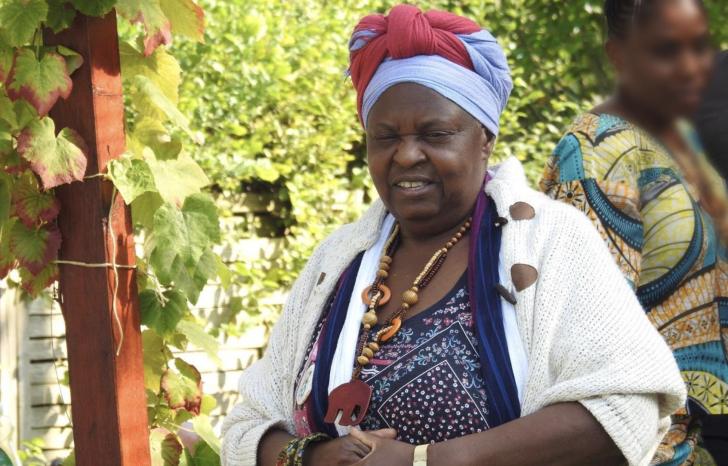
It was one of those rare occasions when the nation came together to mourn the passing of the Khumalo/Tshuma family. The nature of their death took and shook the nation to its core. Did such a horror have to take place for us to realise that we are a broken nation in various dimensions? What stands out is that gender‑based violence in our communities is real; it is a daily occurrence. The Tshuma/Khumalo family’s sad ending reveals the raw trauma the nation is still going through.
The nature of violence in our communities mirrors how Ma Khumalo and her daughters were murdered, no less. Evidence of this is found when reading social media news outlets, where citizens are unalived for flimsy reasons. What makes this act of violence different from what we read every day is how a murderer, Ndodana Tshuma, would even unalive his own children in one sitting. What we hear mostly is femicide, which is horror enough. What drove him to murder his children?
Are we ever going to know the truth about what transpired in this national trauma? What will make us heal from the collective trauma we are going through now? The Khumalo/Tshuma deaths are a national trauma and will forever remain a stain on our consciences. I believe we let them down. Why Zandile, why Natalie, why Nala? How could such gruesome murder have been prevented? These are lessons we must learn from their deaths. But it will never bring Zandile and her daughters back.
The nation will now begin to learn to live with the loss of their gruesome passing. We must tell women to be careful about the battlefields they are subjected to daily. Bedrooms have become slaughter rooms for some women. Please notice red flags early enough and do not disregard them; they are clear warning signs. If a husband was violent even for one day, if he gave you a clap or insulted you, that is a big red flag. Run for your life, because if you excuse him, he knows a woman will take anything — even lesser — to accommodate a much‑valued marriage. In an era where women are economically empowered, they must never tolerate a violent and disrespectful partner. It can cost you life. The pressure comes from our societies, who are quick to put down fires, disregarding the feelings of a woman. Red flag. Our societies force women to go back to their matrimonial homes and face the obvious: femicide. It is not a myth anymore but real.
There is something unique about the Khumalo/Tshuma murders. They managed to connect all societies in the nation. I listened to comments that came in on several social media channels. Peoples from tribal divides poured out their sense of loss and words of comfort that were deeply moving. It was evident that peoples were connected to the events by the nature of how they died, transforming into a national disaster. Something precious — life — was taken away from us as a nation.
I salute the collective grief we have had to endure together. It demonstrated a deep sense of togetherness that has never happened since independence. I salute those who commented and gave constructive words of comfort and advice. Be it Matabeleland or Mashonaland, the pain ran deep into societies. Reading from social media, Zimbabweans came together to contribute to GoFundMe; and again, during the final journey from the UK to Zimbabwe, people came in their many to bid their own a goodbye journey, a pain like no other.
The Khumalo/Tshuma funeral send‑off was beautiful indeed. It was befitting a nation’s funeral, sombre. Their funerals will live with us forever in our minds.
One counsellor commented about how boy‑children are raised differently from girl‑children. This upbringing that tells them they are the better half, spoiled brats, is one of the root causes of femicide. We must talk about our broken boys. The upbringing is broken and outdated. That comment was made by a man, which makes it special. We must never give up; some men are aware of the plight of child‑upbringing — that is where the problem starts. Uthwentwe uhlaba usamila.
Zimbabwe is a traumatised nation since its inception in 1980. So many opportunities were not addressed after independence. A nation that spoke about socialism abandoned it the moment independence was declared. There was no language that emphasised healing, a much‑needed action by the government to unite peoples tribally and set up national morals straight. We used violence to liberate the nation; it could have been noble “violence”, but now violence is a thing of the past.
Wife‑beatings are a weakness, not a show of strength. Violent upbringing is copied directly from fathers, how they saw them treating their mothers. Societies emphasise the beating of women as punishment that puts women in “their places”, a culture that teaches fear of a man. Gender‑based violence recycles itself in families and communities. The Khumalo/Tshuma case is not a one‑off disaster but something deeply embedded in cultures across Zimbabwe and must undergo serious transformation.
“The vengeance is mine,” says the Lord. How does Ndodana Tshuma feel now that the drugs in his system are gone? One can comprehend that it happened when he was heavily under the influence of drugs. I wish the prison guards had shown him the funeral, how it was. The nation mourned together for the loss. It does not add up how one person can unalive three in one sitting. Drugs are a scourge in societies globally. One day Ndodana Tshuma will die. Who will attend the funeral of a killer, except his mother?
The nature of violence in our communities mirrors how Ma Khumalo and her daughters were murdered, no less. Evidence of this is found when reading social media news outlets, where citizens are unalived for flimsy reasons. What makes this act of violence different from what we read every day is how a murderer, Ndodana Tshuma, would even unalive his own children in one sitting. What we hear mostly is femicide, which is horror enough. What drove him to murder his children?
Are we ever going to know the truth about what transpired in this national trauma? What will make us heal from the collective trauma we are going through now? The Khumalo/Tshuma deaths are a national trauma and will forever remain a stain on our consciences. I believe we let them down. Why Zandile, why Natalie, why Nala? How could such gruesome murder have been prevented? These are lessons we must learn from their deaths. But it will never bring Zandile and her daughters back.
The nation will now begin to learn to live with the loss of their gruesome passing. We must tell women to be careful about the battlefields they are subjected to daily. Bedrooms have become slaughter rooms for some women. Please notice red flags early enough and do not disregard them; they are clear warning signs. If a husband was violent even for one day, if he gave you a clap or insulted you, that is a big red flag. Run for your life, because if you excuse him, he knows a woman will take anything — even lesser — to accommodate a much‑valued marriage. In an era where women are economically empowered, they must never tolerate a violent and disrespectful partner. It can cost you life. The pressure comes from our societies, who are quick to put down fires, disregarding the feelings of a woman. Red flag. Our societies force women to go back to their matrimonial homes and face the obvious: femicide. It is not a myth anymore but real.
There is something unique about the Khumalo/Tshuma murders. They managed to connect all societies in the nation. I listened to comments that came in on several social media channels. Peoples from tribal divides poured out their sense of loss and words of comfort that were deeply moving. It was evident that peoples were connected to the events by the nature of how they died, transforming into a national disaster. Something precious — life — was taken away from us as a nation.
The Khumalo/Tshuma funeral send‑off was beautiful indeed. It was befitting a nation’s funeral, sombre. Their funerals will live with us forever in our minds.
One counsellor commented about how boy‑children are raised differently from girl‑children. This upbringing that tells them they are the better half, spoiled brats, is one of the root causes of femicide. We must talk about our broken boys. The upbringing is broken and outdated. That comment was made by a man, which makes it special. We must never give up; some men are aware of the plight of child‑upbringing — that is where the problem starts. Uthwentwe uhlaba usamila.
Zimbabwe is a traumatised nation since its inception in 1980. So many opportunities were not addressed after independence. A nation that spoke about socialism abandoned it the moment independence was declared. There was no language that emphasised healing, a much‑needed action by the government to unite peoples tribally and set up national morals straight. We used violence to liberate the nation; it could have been noble “violence”, but now violence is a thing of the past.
Wife‑beatings are a weakness, not a show of strength. Violent upbringing is copied directly from fathers, how they saw them treating their mothers. Societies emphasise the beating of women as punishment that puts women in “their places”, a culture that teaches fear of a man. Gender‑based violence recycles itself in families and communities. The Khumalo/Tshuma case is not a one‑off disaster but something deeply embedded in cultures across Zimbabwe and must undergo serious transformation.
“The vengeance is mine,” says the Lord. How does Ndodana Tshuma feel now that the drugs in his system are gone? One can comprehend that it happened when he was heavily under the influence of drugs. I wish the prison guards had shown him the funeral, how it was. The nation mourned together for the loss. It does not add up how one person can unalive three in one sitting. Drugs are a scourge in societies globally. One day Ndodana Tshuma will die. Who will attend the funeral of a killer, except his mother?
Source - Nomazulu Thata
All articles and letters published on Bulawayo24 have been independently written by members of Bulawayo24's community. The views of users published on Bulawayo24 are therefore their own and do not necessarily represent the views of Bulawayo24. Bulawayo24 editors also reserve the right to edit or delete any and all comments received.
Join the discussion
Loading comments…





