News / National
Ziyambi blames electoral cycle for US$200bn losses
24 Jun 2026 at 09:05hrs |
0 Views
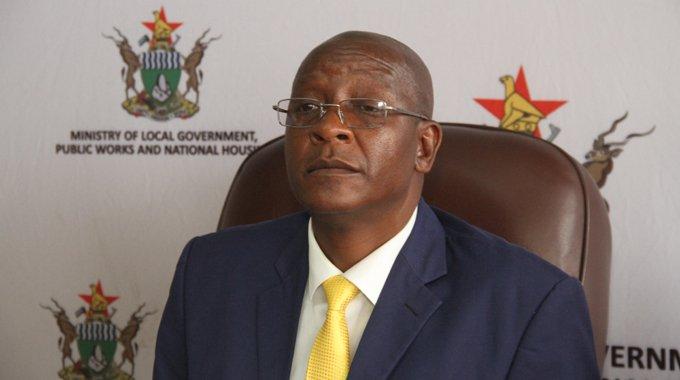
Zimbabwe has lost between US$150 billion and US$200 billion in economic output, productivity and human capital since 2000 due to disputed elections, political instability and a short electoral cycle that has kept the country in a near-permanent campaign mode, Justice Minister Ziyambi Ziyambi has told the Senate.
Presenting the Second Reading speech on the Constitution Amendment No. 3 Bill (CAB 3) yesterday, Ziyambi argued that Zimbabwe's five-year electoral cycle has contributed significantly to political polarisation, governance disruptions and economic losses.
The five-year cycle was adopted in 2008 following constitutional reforms that harmonised presidential, parliamentary and local government elections.
According to Ziyambi, while harmonisation addressed certain administrative challenges, it created new problems by shortening the time available for governance and development.
"That five-year cycle, useful as the harmonisation was, has proved too short for the work of building and developing the nation, and so what this Bill proposes is the correction of a correction," Ziyambi said.
"The power that shortened that electoral cycle then is the power that lengthens it now."
He argued that the direct election of the President and the short electoral cycle reinforce each other in ways that undermine national development.
"These two routes that I have outlined, Madam President, the divisive method of electing the President and the restless electoral cycle within which we have done that, do not stand apart," he said.
"They reinforce one another to the detriment of the national interest in general and the development of the country in particular."
Ziyambi identified what he described as five major consequences of the current electoral system.
The first, he said, was the recurring dispute surrounding presidential elections.
"Every contest for the highest office this nation has held since the turn of the century in 2000, 2002, 2008, 2013, 2018 and 2023 has been trailed by allegations of political violence, allegations of rigging and of lack of transparency," he said.
According to the minister, election observer reports from organisations including the African Union, SADC and the Commonwealth have linked disputed elections to economic sanctions and declining investor confidence.
He claimed that some estimates place the cost of lost investment opportunities between US$50 billion and US$70 billion over the period.
The second consequence, he said, was governance paralysis resulting from a permanent campaign environment.
"Our short five-year term traps those in office in a continuous election mode, delaying and derailing long-term programmes a developing nation depends upon, our national development strategies and our Vision 2030 among them," Ziyambi said.
He added that some analyses have estimated the economic cost of post-election polarisation at between US$30 billion and US$40 billion in lost productivity.
The third challenge identified by the minister was corruption.
"Where political survival is in perpetual question, accountability weakens and the conditions in which graft flourishes are renewed with every cycle," he said.
Citing estimates from Transparency International, Ziyambi said corruption costs Zimbabwe between US$1 billion and US$2 billion annually.
He also referenced reports by election monitoring organisations documenting irregular procurement activities around election periods.
The fourth consequence, according to Ziyambi, is the politicisation of the public service.
"A service disrupted by the turbulence of perpetual contest cannot serve the citizen who simply needs the State to work," he said.
He cited estimates by the Election Resource Centre suggesting that productivity losses linked to political instability amount to approximately US$600 million each year.
The fifth factor identified by the minister was social polarisation, which he said contributes to unrest and emigration.
"It is traceable and well documented that the cumulative cost to this nation has been estimated conservatively at between US$150 billion and US$200 billion in lost output, productivity and human capital," he said.
Ziyambi argued that Zimbabwe would not be the first African country to extend its electoral cycle, pointing to recent constitutional changes in Guinea that increased presidential terms from five to seven years.
He dismissed criticism that CAB 3 seeks to extend presidential term limits, insisting that the Bill only seeks to lengthen the electoral cycle while retaining the constitutional two-term limit for the presidency.
"The two-term limit remains untouched," he said.
Ziyambi also rejected calls for a national referendum on the proposed constitutional amendments, arguing that the changes contained in CAB 3 do not fall within provisions that require direct approval by voters.
The Bill, which recently passed through the National Assembly with a two-thirds majority, is now before the Senate, where debate over its implications for Zimbabwe's constitutional framework and democratic governance is expected to continue.
Presenting the Second Reading speech on the Constitution Amendment No. 3 Bill (CAB 3) yesterday, Ziyambi argued that Zimbabwe's five-year electoral cycle has contributed significantly to political polarisation, governance disruptions and economic losses.
The five-year cycle was adopted in 2008 following constitutional reforms that harmonised presidential, parliamentary and local government elections.
According to Ziyambi, while harmonisation addressed certain administrative challenges, it created new problems by shortening the time available for governance and development.
"That five-year cycle, useful as the harmonisation was, has proved too short for the work of building and developing the nation, and so what this Bill proposes is the correction of a correction," Ziyambi said.
"The power that shortened that electoral cycle then is the power that lengthens it now."
He argued that the direct election of the President and the short electoral cycle reinforce each other in ways that undermine national development.
"These two routes that I have outlined, Madam President, the divisive method of electing the President and the restless electoral cycle within which we have done that, do not stand apart," he said.
"They reinforce one another to the detriment of the national interest in general and the development of the country in particular."
Ziyambi identified what he described as five major consequences of the current electoral system.
The first, he said, was the recurring dispute surrounding presidential elections.
"Every contest for the highest office this nation has held since the turn of the century in 2000, 2002, 2008, 2013, 2018 and 2023 has been trailed by allegations of political violence, allegations of rigging and of lack of transparency," he said.
According to the minister, election observer reports from organisations including the African Union, SADC and the Commonwealth have linked disputed elections to economic sanctions and declining investor confidence.
He claimed that some estimates place the cost of lost investment opportunities between US$50 billion and US$70 billion over the period.
The second consequence, he said, was governance paralysis resulting from a permanent campaign environment.
He added that some analyses have estimated the economic cost of post-election polarisation at between US$30 billion and US$40 billion in lost productivity.
The third challenge identified by the minister was corruption.
"Where political survival is in perpetual question, accountability weakens and the conditions in which graft flourishes are renewed with every cycle," he said.
Citing estimates from Transparency International, Ziyambi said corruption costs Zimbabwe between US$1 billion and US$2 billion annually.
He also referenced reports by election monitoring organisations documenting irregular procurement activities around election periods.
The fourth consequence, according to Ziyambi, is the politicisation of the public service.
"A service disrupted by the turbulence of perpetual contest cannot serve the citizen who simply needs the State to work," he said.
He cited estimates by the Election Resource Centre suggesting that productivity losses linked to political instability amount to approximately US$600 million each year.
The fifth factor identified by the minister was social polarisation, which he said contributes to unrest and emigration.
"It is traceable and well documented that the cumulative cost to this nation has been estimated conservatively at between US$150 billion and US$200 billion in lost output, productivity and human capital," he said.
Ziyambi argued that Zimbabwe would not be the first African country to extend its electoral cycle, pointing to recent constitutional changes in Guinea that increased presidential terms from five to seven years.
He dismissed criticism that CAB 3 seeks to extend presidential term limits, insisting that the Bill only seeks to lengthen the electoral cycle while retaining the constitutional two-term limit for the presidency.
"The two-term limit remains untouched," he said.
Ziyambi also rejected calls for a national referendum on the proposed constitutional amendments, arguing that the changes contained in CAB 3 do not fall within provisions that require direct approval by voters.
The Bill, which recently passed through the National Assembly with a two-thirds majority, is now before the Senate, where debate over its implications for Zimbabwe's constitutional framework and democratic governance is expected to continue.
Source - online
Join the discussion
Loading comments…




