News / National
Zimbabwe has abandoned Joshua Nkomo's vision
30 Jun 2026 at 19:16hrs |
0 Views
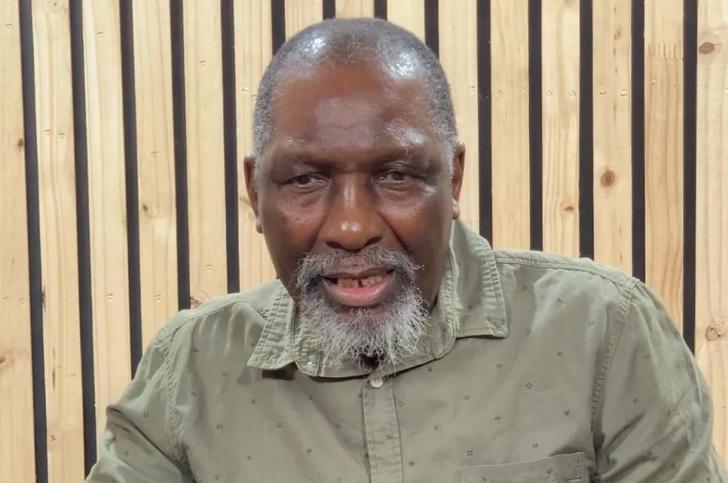
Former National Healing and Reconciliation co-minister Moses Mzila-Ndlovu says Zimbabwe has failed to fulfil the nation-building ideals championed by the late nationalist leader and former Vice-President Joshua Nkomo, arguing that the country remains deeply divided more than four decades after independence.
Mzila-Ndlovu made the remarks ahead of commemorations marking the 27th anniversary of Nkomo's death. Nkomo, one of Zimbabwe's foremost liberation leaders and founder of ZAPU, died on July 1, 1999.
Speaking in an interview, Mzila-Ndlovu said Nkomo and other liberation struggle leaders had envisioned an independent Zimbabwe founded on equality, democracy and national unity.
"There is no doubt that Joshua Nkomo and his fellow nationalists, the genuine people, really wanted to build a nation out of this country after independence," he said.
"And this is why people sacrificed their lives to achieve this nation-building that Nkomo envisaged."
He said Nkomo symbolised the aspirations of thousands of liberation fighters who sought to establish a country free from racial, tribal and other forms of discrimination.
"I do not want to idolise Nkomo as an individual, but I see him as representing thousands upon thousands of genuine nationalists who really wanted to see Zimbabwe become independent, become a non-racial country, a non-tribal country, a non-sexist country," he said.
Mzila-Ndlovu, however, argued that Zimbabwe had failed to realise those aspirations since attaining independence in 1980.
"My answer is a straightforward no. You have to be insane to call this country a nation because we are not a nation," he said.
He further claimed that Nkomo died disappointed after witnessing what he described as the collapse of the liberation movement's original vision.
"Nkomo died a very disappointed person in that he saw the project of nationalists collapse on April 18, 1980, and people became something different from what they had originally desired to achieve," he said.
Mzila-Ndlovu criticised what he described as poor governance, corruption and tribalism, arguing that these had undermined efforts to build a united nation.
"A nation is not built out of the massacre of innocent civilians," he said.
"You can't build a nation out of discriminating regions where you prefer one tribal region over another."
He also criticised the accumulation of wealth by some political elites.
"If you look at the obscene wealth of the Zanu PF elite, compare that with what we saw of Ian Smith and his cabinet, there's something sinister that is happening.
"When you suddenly become a multi-billionaire overnight and the state is not interested in knowing how did you become a billionaire, then there is a problem," he said.
Mzila-Ndlovu said Zimbabweans were demanding equitable access to opportunities and national resources rather than inclusion in corrupt systems.
"People do not want to be beggars. They are saying there are opportunities that we were promised by the nationalists when the country became independent, and these opportunities must be equally distributed," he said.
Meanwhile, the Veteran Activists Association Zimbabwe (VAAZ), an organisation comprising veterans associated with the formation of the opposition Movement for Democratic Change (MDC), also marked the anniversary by remembering victims of alleged political violence and repression.
In a statement, VAAZ national spokesperson Blessing Mandava said thousands of Zimbabweans had suffered or died for defending democracy and the ideals of the liberation struggle.
"Our hearts are heavy as we remember how thousands of patriotic citizens were butchered in cold blood by the regime for crimes of conscience. They all paid the ultimate price for a free Zimbabwe for all," he said.
The organisation also remembered opposition activists and political figures who allegedly died under suspicious circumstances, claiming some were poisoned, abducted or killed in orchestrated incidents.
"Some have died in their sleep, some have been burnt in their homes, some have died in engineered accidents, and some have died from induced illnesses," Mandava said.
"There are too many dark secrets in the nation."
VAAZ further criticised political violence that followed Zimbabwe's rejected constitutional referendum in 2000, alleging that opposition supporters became targets during the fast-track land reform programme and that some activists disappeared without trace.
The organisation called for accountability over alleged human rights abuses, including the Gukurahundi massacres and unresolved abduction cases, while urging authorities to implement recommendations made by human rights bodies and to create a political environment in which opposition parties can operate freely.
The Government has previously rejected allegations of systematic political persecution and maintains that it is committed to national unity, reconciliation and upholding the rule of law.
Mzila-Ndlovu made the remarks ahead of commemorations marking the 27th anniversary of Nkomo's death. Nkomo, one of Zimbabwe's foremost liberation leaders and founder of ZAPU, died on July 1, 1999.
Speaking in an interview, Mzila-Ndlovu said Nkomo and other liberation struggle leaders had envisioned an independent Zimbabwe founded on equality, democracy and national unity.
"There is no doubt that Joshua Nkomo and his fellow nationalists, the genuine people, really wanted to build a nation out of this country after independence," he said.
"And this is why people sacrificed their lives to achieve this nation-building that Nkomo envisaged."
He said Nkomo symbolised the aspirations of thousands of liberation fighters who sought to establish a country free from racial, tribal and other forms of discrimination.
"I do not want to idolise Nkomo as an individual, but I see him as representing thousands upon thousands of genuine nationalists who really wanted to see Zimbabwe become independent, become a non-racial country, a non-tribal country, a non-sexist country," he said.
Mzila-Ndlovu, however, argued that Zimbabwe had failed to realise those aspirations since attaining independence in 1980.
"My answer is a straightforward no. You have to be insane to call this country a nation because we are not a nation," he said.
He further claimed that Nkomo died disappointed after witnessing what he described as the collapse of the liberation movement's original vision.
"Nkomo died a very disappointed person in that he saw the project of nationalists collapse on April 18, 1980, and people became something different from what they had originally desired to achieve," he said.
Mzila-Ndlovu criticised what he described as poor governance, corruption and tribalism, arguing that these had undermined efforts to build a united nation.
"A nation is not built out of the massacre of innocent civilians," he said.
"You can't build a nation out of discriminating regions where you prefer one tribal region over another."
"If you look at the obscene wealth of the Zanu PF elite, compare that with what we saw of Ian Smith and his cabinet, there's something sinister that is happening.
"When you suddenly become a multi-billionaire overnight and the state is not interested in knowing how did you become a billionaire, then there is a problem," he said.
Mzila-Ndlovu said Zimbabweans were demanding equitable access to opportunities and national resources rather than inclusion in corrupt systems.
"People do not want to be beggars. They are saying there are opportunities that we were promised by the nationalists when the country became independent, and these opportunities must be equally distributed," he said.
Meanwhile, the Veteran Activists Association Zimbabwe (VAAZ), an organisation comprising veterans associated with the formation of the opposition Movement for Democratic Change (MDC), also marked the anniversary by remembering victims of alleged political violence and repression.
In a statement, VAAZ national spokesperson Blessing Mandava said thousands of Zimbabweans had suffered or died for defending democracy and the ideals of the liberation struggle.
"Our hearts are heavy as we remember how thousands of patriotic citizens were butchered in cold blood by the regime for crimes of conscience. They all paid the ultimate price for a free Zimbabwe for all," he said.
The organisation also remembered opposition activists and political figures who allegedly died under suspicious circumstances, claiming some were poisoned, abducted or killed in orchestrated incidents.
"Some have died in their sleep, some have been burnt in their homes, some have died in engineered accidents, and some have died from induced illnesses," Mandava said.
"There are too many dark secrets in the nation."
VAAZ further criticised political violence that followed Zimbabwe's rejected constitutional referendum in 2000, alleging that opposition supporters became targets during the fast-track land reform programme and that some activists disappeared without trace.
The organisation called for accountability over alleged human rights abuses, including the Gukurahundi massacres and unresolved abduction cases, while urging authorities to implement recommendations made by human rights bodies and to create a political environment in which opposition parties can operate freely.
The Government has previously rejected allegations of systematic political persecution and maintains that it is committed to national unity, reconciliation and upholding the rule of law.
Source - Southern Eye
Join the discussion
Loading comments…





