News / National
Mnangagwa appoints 14 Judges without interviews
27 Aug 2026 at 13:56hrs |
0 Views
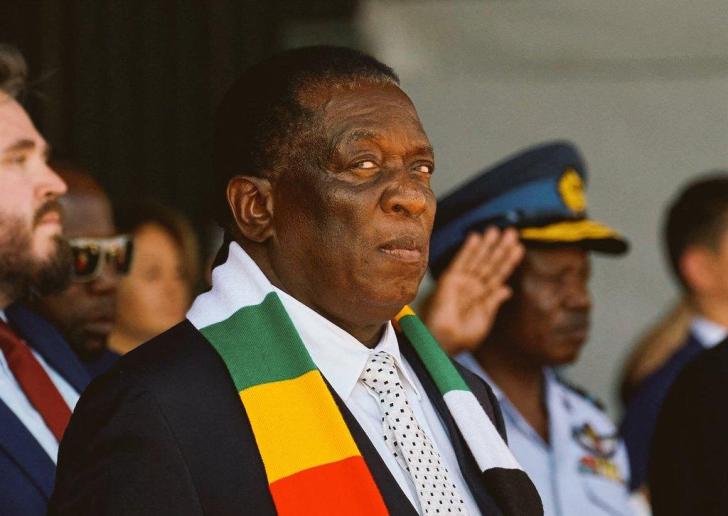
President Emmerson Mnangagwa has used new powers introduced through a recent constitutional amendment to appoint 14 judges to Zimbabwe’s High Court and Labour Court without the public interview process previously required for judicial appointments.
Most of the newly appointed judges are former magistrates, in a major reshaping of the country’s lower superior courts.
The changes also affect the higher judiciary, with seven judges being promoted to the Supreme Court and two appointed to the Constitutional Court.
The appointments come shortly after Mnangagwa signed the constitutional amendment into law, giving the President greater discretion over the appointment of judges after consultation with the Judicial Service Commission. The amendment removes certain public interview and shortlist requirements from the judicial appointment process.
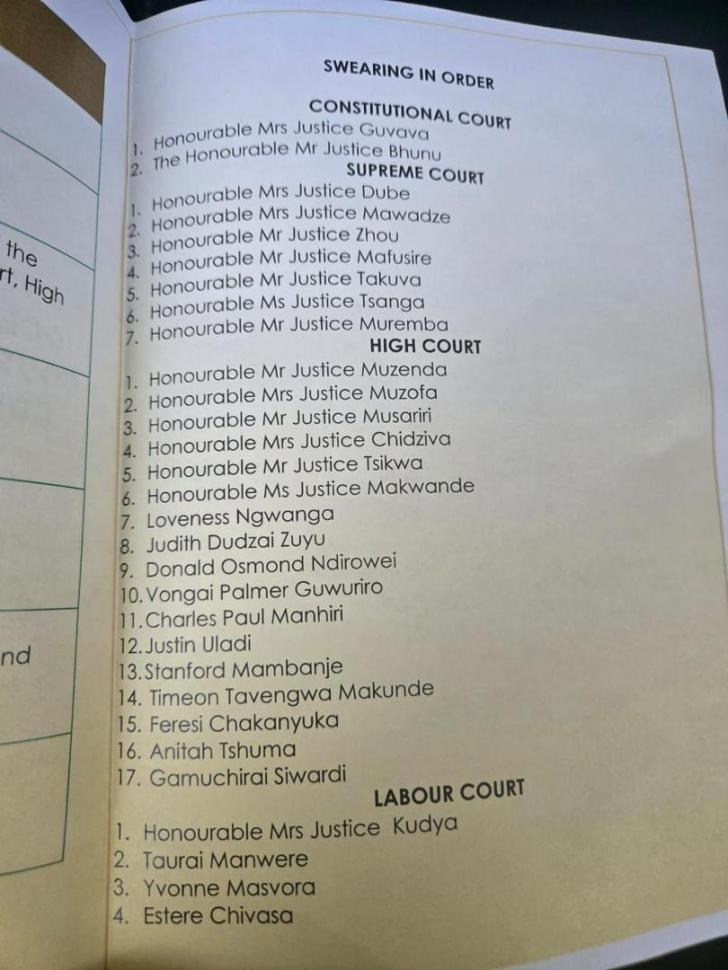
The changes have generated concern among constitutional lawyers and governance activists, who argue that removing public interviews reduces transparency in the appointment of judges and gives the Executive greater influence over the judiciary.
Supporters of the changes have argued that the reforms streamline the appointment process and allow the country to make use of experienced judicial officers, including magistrates who have spent years handling criminal and civil matters.
The latest appointments come at a significant time for Zimbabwe's judiciary, which has undergone several senior-level changes this year. Justice Elizabeth Gwaunza was appointed Chief Justice in May, becoming the first woman to head Zimbabwe's judiciary, while Justice Paddington Garwe was appointed her deputy.
Under the previous framework, judicial appointments generally involved public interviews conducted through the Judicial Service Commission before recommendations were made for presidential appointment. The constitutional changes have therefore altered an important safeguard intended to promote transparency and public confidence in the selection of judges.
The elevation of seven judges to the Supreme Court and two to the Constitutional Court will also affect the composition of Zimbabwe's two highest courts.
The Constitutional Court is the country's highest authority on constitutional matters, while the Supreme Court serves as the final court of appeal in non-constitutional matters.
The appointments are likely to intensify debate over judicial independence, particularly given wider controversy surrounding constitutional amendments adopted by the Mnangagwa administration.
Critics have previously warned that changes giving the President greater control over senior state institutions risk weakening checks and balances, while the Government maintains that the reforms are intended to modernise Zimbabwe's constitutional and institutional framework.
The appointment of the 14 judges without public interviews therefore marks a significant shift in the way Zimbabwe's judiciary is constituted and is expected to remain a subject of legal and political debate.
Most of the newly appointed judges are former magistrates, in a major reshaping of the country’s lower superior courts.
The changes also affect the higher judiciary, with seven judges being promoted to the Supreme Court and two appointed to the Constitutional Court.
The appointments come shortly after Mnangagwa signed the constitutional amendment into law, giving the President greater discretion over the appointment of judges after consultation with the Judicial Service Commission. The amendment removes certain public interview and shortlist requirements from the judicial appointment process.
The changes have generated concern among constitutional lawyers and governance activists, who argue that removing public interviews reduces transparency in the appointment of judges and gives the Executive greater influence over the judiciary.
Supporters of the changes have argued that the reforms streamline the appointment process and allow the country to make use of experienced judicial officers, including magistrates who have spent years handling criminal and civil matters.
The latest appointments come at a significant time for Zimbabwe's judiciary, which has undergone several senior-level changes this year. Justice Elizabeth Gwaunza was appointed Chief Justice in May, becoming the first woman to head Zimbabwe's judiciary, while Justice Paddington Garwe was appointed her deputy.
Under the previous framework, judicial appointments generally involved public interviews conducted through the Judicial Service Commission before recommendations were made for presidential appointment. The constitutional changes have therefore altered an important safeguard intended to promote transparency and public confidence in the selection of judges.
The elevation of seven judges to the Supreme Court and two to the Constitutional Court will also affect the composition of Zimbabwe's two highest courts.
The Constitutional Court is the country's highest authority on constitutional matters, while the Supreme Court serves as the final court of appeal in non-constitutional matters.
The appointments are likely to intensify debate over judicial independence, particularly given wider controversy surrounding constitutional amendments adopted by the Mnangagwa administration.
Critics have previously warned that changes giving the President greater control over senior state institutions risk weakening checks and balances, while the Government maintains that the reforms are intended to modernise Zimbabwe's constitutional and institutional framework.
The appointment of the 14 judges without public interviews therefore marks a significant shift in the way Zimbabwe's judiciary is constituted and is expected to remain a subject of legal and political debate.
Source - online
Join the discussion
Loading comments…


