Opinion / Columnist
Bones of Power: How Lungu's SA Ruling Differs from Mugabe's Kutama Burial
08 Jun 2026 at 21:10hrs |
0 Views
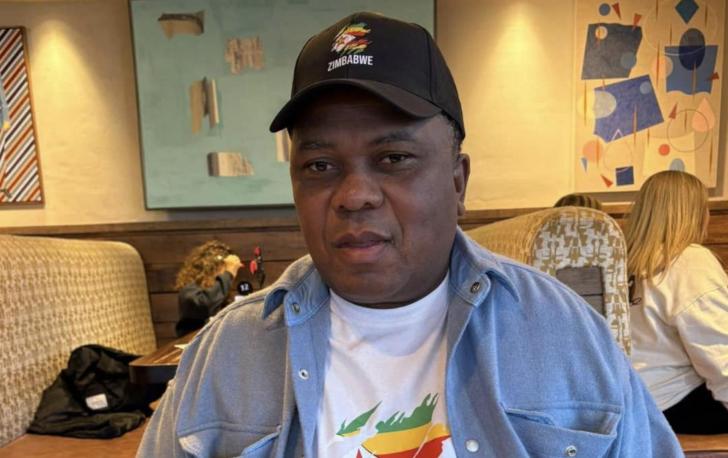
HARARE/PRETORIA - Two former presidents. Two burial battles. Two very different endings.
In August 2026, South Africa's Pretoria High Court ordered former Zambian President Edgar Lungu's body repatriated from Johannesburg to Lusaka, declaring "a former president belongs to the nation even in death".
In September 2019, Zimbabwe's government built a mausoleum at National Heroes Acre for Robert Mugabe… then watched his family bury him in Kutama instead.
Same question: Who owns a president in death? Different law, different politics, different answer.
1. The Verdicts: State Wins vs Family Wins
Lungu – South Africa, 21 Aug 2026
Judge Sulet Potterill ruled for Zambia. Lungu's remains "belong to the Republic of Zambia". The SA court said a president is a "symbol of national dignity and sovereignty" whose burial is not a private family matter. Family wishes were secondary to "national interest". Result: Body must go home for state burial.
Mugabe - Zimbabwe, 28 Sept 2019
No court, no order. Government declared Mugabe a national hero under the National Heroes Act and built him a shrine at Heroes Acre. But Grace Mugabe and the children refused. After 3 weeks of stalemate, the state conceded. Mugabe was buried in Kutama. Result: Family possession of the body beat state protocol.
2. The Law: Sovereignty vs Silence
The difference lies in what the law actually says:
South Africa had no presidential burial law.
So Judge Potterill used international law + common sense: "A sovereign state has the right to control symbols of its nationhood." With no SA statute to apply, she deferred to Zambia's constitutional duty. The principle was "pacta sunt servanda" – agreements and sovereignty must be respected.
Zimbabwe has the National Heroes Act [Chapter 10:16].
But the Act is silent on family consent. In 2019, President Mnangagwa had the legal power. He chose not to use force, 20 months after the 2017 coup. Politics and Shona custom filled the legal gap.
In August 2026, South Africa's Pretoria High Court ordered former Zambian President Edgar Lungu's body repatriated from Johannesburg to Lusaka, declaring "a former president belongs to the nation even in death".
In September 2019, Zimbabwe's government built a mausoleum at National Heroes Acre for Robert Mugabe… then watched his family bury him in Kutama instead.
Same question: Who owns a president in death? Different law, different politics, different answer.
1. The Verdicts: State Wins vs Family Wins
Lungu – South Africa, 21 Aug 2026
Judge Sulet Potterill ruled for Zambia. Lungu's remains "belong to the Republic of Zambia". The SA court said a president is a "symbol of national dignity and sovereignty" whose burial is not a private family matter. Family wishes were secondary to "national interest". Result: Body must go home for state burial.
Mugabe - Zimbabwe, 28 Sept 2019
No court, no order. Government declared Mugabe a national hero under the National Heroes Act and built him a shrine at Heroes Acre. But Grace Mugabe and the children refused. After 3 weeks of stalemate, the state conceded. Mugabe was buried in Kutama. Result: Family possession of the body beat state protocol.
2. The Law: Sovereignty vs Silence
The difference lies in what the law actually says:
South Africa had no presidential burial law.
So Judge Potterill used international law + common sense: "A sovereign state has the right to control symbols of its nationhood." With no SA statute to apply, she deferred to Zambia's constitutional duty. The principle was "pacta sunt servanda" – agreements and sovereignty must be respected.
Zimbabwe has the National Heroes Act [Chapter 10:16].
But the Act is silent on family consent. In 2019, President Mnangagwa had the legal power. He chose not to use force, 20 months after the 2017 coup. Politics and Shona custom filled the legal gap.
Source - Dr Masimba Mavaza
All articles and letters published on Bulawayo24 have been independently written by members of Bulawayo24's community. The views of users published on Bulawayo24 are therefore their own and do not necessarily represent the views of Bulawayo24. Bulawayo24 editors also reserve the right to edit or delete any and all comments received.
Join the discussion
Loading comments…



