News / National
Matatu's elevation sparks murmurs among some former Zanla commanders
03 Dec 2025 at 09:21hrs |
0 Views
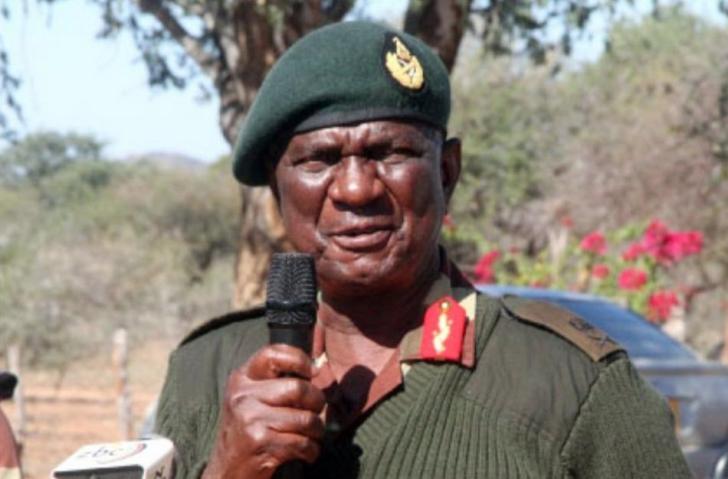
Former Zipra commander General Emmanuel Matatu has officially taken over as head of the Zimbabwe Defence Forces (ZDF), following the retirement of General Philip Valerio Sibanda on November 21. The investiture was presided over by President Emmerson Mnangagwa at State House in Harare on Monday.
Matatu's appointment has sparked murmurs among some former Zanla commanders and senior army officers, who reportedly feel that another ex-Zanla officer should have been appointed after Sibanda, himself a Zipra stalwart. A military source told The NewsHawks that concerns were being raised over "equality, equity and rotation" in the ZDF, arguing that the unified army command should not consecutively be led by former Zipra officers.
"The argument is that Matatu cannot replace Sibanda since they were both Zipra," the source said, referencing the historical integration of Zimbabwe's armed forces. The unified ZDF structure was introduced following the retirement of General Solomon Mujuru in 1992, with General Vitalis Zvinavashe becoming the first commander. He was succeeded by General Constantino Chiwenga, now one of the country's two Vice Presidents, and later by Sibanda.
Despite the objections, President Mnangagwa reportedly prioritized loyalty, ethnic, and regional considerations over the traditional Zanla-Zipra balance. Matatu, like Sibanda, hails from the Midlands and is viewed as Karanga, Mnangagwa's home ethnic group. Sources suggest that the appointment is part of a broader strategy by Mnangagwa to consolidate control over the military, counter Chiwenga's lingering influence, and manage Zanu PF succession politics.
"Ethnicity and regionalism still play a huge and influential role in local politics, especially in Mnangagwa's power calculus and administration," the source said. Chiwenga, who helped Mnangagwa ascend to power during the 2017 coup, reportedly had the military leverage to position himself as a potential successor, but his ambitions have been restrained by the president's loyalist appointments.
The ZDF's complex history is central to understanding these tensions. Zanla, the military wing of Zanu, and Zipra, Zapu's armed wing, spearheaded the liberation struggle primarily from Mozambique and Zambia, respectively. Following independence in 1980, the new Zimbabwe National Army (ZNA) was formed by integrating the Rhodesian Army, Zanla, and Zipra, a process overseen by the British Military Advisory and Training Team.
The integration was managed under a Joint High Command chaired by Mnangagwa, with key figures including Mujuru, Zvinavashe, and the late Zipra commander Lookout Masuku. The process involved disbanding old units, creating new formations with mixed personnel, and ensuring unity at the top and middle echelons to instill cohesion among rank-and-file soldiers. Historical tensions were evident as several Zipra leaders, including Masuku and intelligence chief Dumiso Dabengwa, were arrested on alleged coup plots, with Masuku dying in custody.
Analysts say Matatu's appointment highlights the continuing interplay of historical liberation war allegiances, ethnic considerations, and political maneuvering within Zimbabwe's military leadership, illustrating how the legacy of Zanla and Zipra still shapes the ZDF's command structure today.
Matatu's appointment has sparked murmurs among some former Zanla commanders and senior army officers, who reportedly feel that another ex-Zanla officer should have been appointed after Sibanda, himself a Zipra stalwart. A military source told The NewsHawks that concerns were being raised over "equality, equity and rotation" in the ZDF, arguing that the unified army command should not consecutively be led by former Zipra officers.
"The argument is that Matatu cannot replace Sibanda since they were both Zipra," the source said, referencing the historical integration of Zimbabwe's armed forces. The unified ZDF structure was introduced following the retirement of General Solomon Mujuru in 1992, with General Vitalis Zvinavashe becoming the first commander. He was succeeded by General Constantino Chiwenga, now one of the country's two Vice Presidents, and later by Sibanda.
Despite the objections, President Mnangagwa reportedly prioritized loyalty, ethnic, and regional considerations over the traditional Zanla-Zipra balance. Matatu, like Sibanda, hails from the Midlands and is viewed as Karanga, Mnangagwa's home ethnic group. Sources suggest that the appointment is part of a broader strategy by Mnangagwa to consolidate control over the military, counter Chiwenga's lingering influence, and manage Zanu PF succession politics.
"Ethnicity and regionalism still play a huge and influential role in local politics, especially in Mnangagwa's power calculus and administration," the source said. Chiwenga, who helped Mnangagwa ascend to power during the 2017 coup, reportedly had the military leverage to position himself as a potential successor, but his ambitions have been restrained by the president's loyalist appointments.
The ZDF's complex history is central to understanding these tensions. Zanla, the military wing of Zanu, and Zipra, Zapu's armed wing, spearheaded the liberation struggle primarily from Mozambique and Zambia, respectively. Following independence in 1980, the new Zimbabwe National Army (ZNA) was formed by integrating the Rhodesian Army, Zanla, and Zipra, a process overseen by the British Military Advisory and Training Team.
The integration was managed under a Joint High Command chaired by Mnangagwa, with key figures including Mujuru, Zvinavashe, and the late Zipra commander Lookout Masuku. The process involved disbanding old units, creating new formations with mixed personnel, and ensuring unity at the top and middle echelons to instill cohesion among rank-and-file soldiers. Historical tensions were evident as several Zipra leaders, including Masuku and intelligence chief Dumiso Dabengwa, were arrested on alleged coup plots, with Masuku dying in custody.
Analysts say Matatu's appointment highlights the continuing interplay of historical liberation war allegiances, ethnic considerations, and political maneuvering within Zimbabwe's military leadership, illustrating how the legacy of Zanla and Zipra still shapes the ZDF's command structure today.
Source - online
Join the discussion
Loading comments…





