News / National
Zimbabweans hold onto ZiG longer
02 Mar 2026 at 16:43hrs |
0 Views
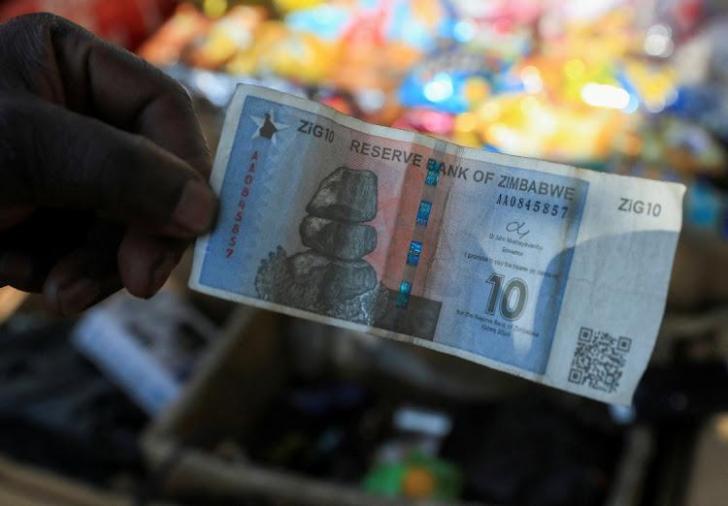
Zimbabweans are increasingly holding onto the ZWG currency, also known as Zimbabwe Gold (ZiG), for extended periods, driven by its appreciating value and sustained stability, according to the ZiG Perception and Confidence Survey II.
Commissioned by the Reserve Bank of Zimbabwe (RBZ) between August 29 and December 31, 2025, the survey assessed public perceptions of ZiG and confidence levels compared to its launch in 2024. The findings show a marked shift in behavior, with more citizens now keeping ZiG in bank accounts for over a month—a sharp increase from pre-launch habits.
"The growing confidence in ZWG has resulted in economic agents keeping ZWG in bank accounts for longer periods. More than 30% of respondents indicate that they now keep ZiG in their accounts for more than a month," the survey noted.
On the currency's stability, 95.5% of respondents perceived ZiG as stable since January 2025. Among them, 21% rated stability as high, 35.5% as medium, and 39.2% as minimal, reflecting broad but nuanced confidence in the currency.
Overall confidence in ZiG was reported at 93.1%, with 13.5% expressing high confidence, 30.4% medium confidence, and 49.2% minimal confidence. The survey highlights that public perception of ZiG has steadily improved since the previous assessment.
"Public confidence in RBZ policies, especially in local currency management and money supply, has significantly improved, with high confidence levels now at 47.6%, up from widespread distrust in April 2024," the report added.
The survey also found that Zimbabweans are generally satisfied with access to foreign currency through the Willing Seller Willing Buyer (WSWB) interbank market, with 96% reporting quick processing of applications. Those not using ZiG to buy foreign currency cited reliance on personal funds (25%) or no need for foreign currency (57.7%). Some respondents indicated that limited ZiG holdings prevented them from accessing foreign currency despite the need.
These results suggest that Zimbabweans are gradually embracing ZiG and warming up to the potential transition to a mono-currency system, signaling growing trust in the country's monetary policies.
Commissioned by the Reserve Bank of Zimbabwe (RBZ) between August 29 and December 31, 2025, the survey assessed public perceptions of ZiG and confidence levels compared to its launch in 2024. The findings show a marked shift in behavior, with more citizens now keeping ZiG in bank accounts for over a month—a sharp increase from pre-launch habits.
"The growing confidence in ZWG has resulted in economic agents keeping ZWG in bank accounts for longer periods. More than 30% of respondents indicate that they now keep ZiG in their accounts for more than a month," the survey noted.
On the currency's stability, 95.5% of respondents perceived ZiG as stable since January 2025. Among them, 21% rated stability as high, 35.5% as medium, and 39.2% as minimal, reflecting broad but nuanced confidence in the currency.
Overall confidence in ZiG was reported at 93.1%, with 13.5% expressing high confidence, 30.4% medium confidence, and 49.2% minimal confidence. The survey highlights that public perception of ZiG has steadily improved since the previous assessment.
"Public confidence in RBZ policies, especially in local currency management and money supply, has significantly improved, with high confidence levels now at 47.6%, up from widespread distrust in April 2024," the report added.
The survey also found that Zimbabweans are generally satisfied with access to foreign currency through the Willing Seller Willing Buyer (WSWB) interbank market, with 96% reporting quick processing of applications. Those not using ZiG to buy foreign currency cited reliance on personal funds (25%) or no need for foreign currency (57.7%). Some respondents indicated that limited ZiG holdings prevented them from accessing foreign currency despite the need.
These results suggest that Zimbabweans are gradually embracing ZiG and warming up to the potential transition to a mono-currency system, signaling growing trust in the country's monetary policies.
Source - newzimbabwe
Join the discussion
Loading comments…





