Opinion / Columnist
The Madhuku assault and Zimbabwe's geopolitics of self-sabotage
02 Mar 2026 at 16:14hrs |
512 Views
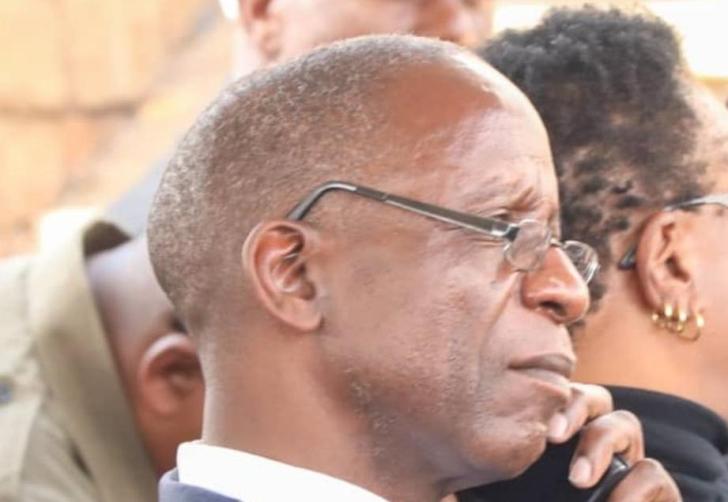
Today's brutal assault on Professor Lovemore Madhuku, President of the National Constitutional Assembly, and members of his party leaves permanent scars not only on their bodies, but on the Republic itself.
Madhuku and his colleagues were attacked for convening a meeting to discuss Constitutional Amendment Bill No. 3, a draconian proposal designed to extend President Mnangagwa and his governing allies' term of office to 2030 without the people's vote.
This was a lawful political meeting. The response was institutionalised violence.
As Professor Lloyd Sachikonye warned in his seminal book, 'When a State Turns on Its Citizens', such moments reveal a deeper crisis of legitimacy.
What we witnessed was neither law enforcement nor the preservation of public order. It was an arrogant and naked abuse of state power.
Beyond the moral outrage lies a strategic failure. Zimbabwe operates within a fragile and contested global order.
It is marked by geopolitical contestation, economic vulnerability, and renewed imperial ambition.
Reader, I do not romanticise that order. External powers have rarely advanced democracy in good faith, and their interventions often carry their own interests.
Yet the Zimbabwean state must not give them room. A state that brutalises its own citizens furnishes others (even without the moral authority) with excuses for scrutiny, pressure and interference.
Repression does not defend sovereignty, it weakens it. It hands leverage to those who would prefer to dictate Zimbabwe's future from outside.
True sovereignty rests on legitimacy. Legitimacy rests on consent from the citizens. Consent cannot be forced with batons and blood.
Internally, violence against political actors continues to corrode national cohesion, radicalise discourse, delegitimise institutions and erode investor confidence.
Dear Reader, the measure of a democracy is not how a state treats its loyalists, but how it treats its critics.
A government that responds to peaceful assembly with force demonstrates insecurity rather than authority. When it chooses violence over debate, it signals fear of ideas. Replacing persuasion with repression strips democracy of its substance and reduces it to form without meaning.
Human rights are not gifts from the state. They are inherent. Freedom of assembly, expression, and political participation are constitutional guarantees rooted in the liberation struggle. To assault a citizen for organising a meeting is to assault the Constitution.
Today it is a professor and party members. Tomorrow it is anyone.
Zimbabwe will not secure its sovereignty through batons and blood.
A government that destroys its internal legitimacy destroys its external standing. In a contested world, strength begins at home.
Assaulting critics, silencing debate, and brutalising citizens is not statecraft, it is self-sabotage.
A nation that turns its force inward diminishes its future and exposes itself to the very pressures it claims to resist.
On that reality, we must speak clearly, firmly and without apology.
Madhuku and his colleagues were attacked for convening a meeting to discuss Constitutional Amendment Bill No. 3, a draconian proposal designed to extend President Mnangagwa and his governing allies' term of office to 2030 without the people's vote.
This was a lawful political meeting. The response was institutionalised violence.
As Professor Lloyd Sachikonye warned in his seminal book, 'When a State Turns on Its Citizens', such moments reveal a deeper crisis of legitimacy.
What we witnessed was neither law enforcement nor the preservation of public order. It was an arrogant and naked abuse of state power.
Beyond the moral outrage lies a strategic failure. Zimbabwe operates within a fragile and contested global order.
It is marked by geopolitical contestation, economic vulnerability, and renewed imperial ambition.
Reader, I do not romanticise that order. External powers have rarely advanced democracy in good faith, and their interventions often carry their own interests.
Yet the Zimbabwean state must not give them room. A state that brutalises its own citizens furnishes others (even without the moral authority) with excuses for scrutiny, pressure and interference.
Repression does not defend sovereignty, it weakens it. It hands leverage to those who would prefer to dictate Zimbabwe's future from outside.
True sovereignty rests on legitimacy. Legitimacy rests on consent from the citizens. Consent cannot be forced with batons and blood.
Internally, violence against political actors continues to corrode national cohesion, radicalise discourse, delegitimise institutions and erode investor confidence.
Dear Reader, the measure of a democracy is not how a state treats its loyalists, but how it treats its critics.
A government that responds to peaceful assembly with force demonstrates insecurity rather than authority. When it chooses violence over debate, it signals fear of ideas. Replacing persuasion with repression strips democracy of its substance and reduces it to form without meaning.
Human rights are not gifts from the state. They are inherent. Freedom of assembly, expression, and political participation are constitutional guarantees rooted in the liberation struggle. To assault a citizen for organising a meeting is to assault the Constitution.
Today it is a professor and party members. Tomorrow it is anyone.
Zimbabwe will not secure its sovereignty through batons and blood.
A government that destroys its internal legitimacy destroys its external standing. In a contested world, strength begins at home.
Assaulting critics, silencing debate, and brutalising citizens is not statecraft, it is self-sabotage.
A nation that turns its force inward diminishes its future and exposes itself to the very pressures it claims to resist.
On that reality, we must speak clearly, firmly and without apology.
Source - Dr.Phillan Zamchiya
All articles and letters published on Bulawayo24 have been independently written by members of Bulawayo24's community. The views of users published on Bulawayo24 are therefore their own and do not necessarily represent the views of Bulawayo24. Bulawayo24 editors also reserve the right to edit or delete any and all comments received.
Join the discussion
Loading comments…





