News / National
OK Zimbabwe chairman retires
17 Dec 2025 at 17:49hrs |
0 Views
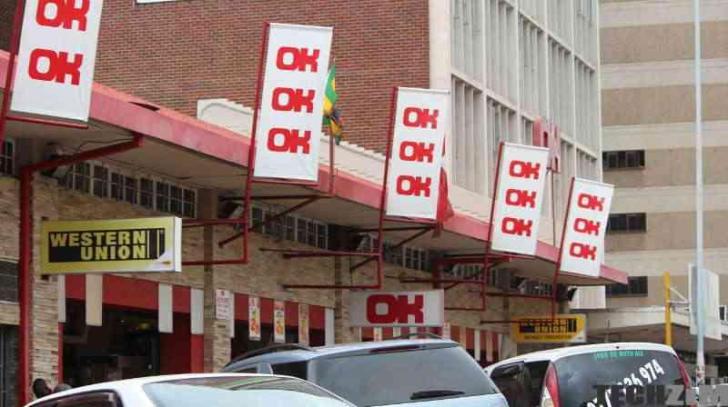
OK Zimbabwe board chairman Mr Herbert Nkala has retired after seven years at the helm of the country's largest retail chain by store number, having declined to offer himself for re-election at the company's annual general meeting held on December 11, 2025.
Following his departure, the retailer announced sweeping board changes, appointing Mr Charles Msipa as a non-executive director with effect from December 12, 2025, alongside Mr Brian Mabiza, Mr Everton Mlalazi, Mr Tawanda Masose and Ms Tracy Mutaviri. Ms Mutaviri is the only remaining non-executive director from the previous board.
Mr Msipa recently retired as managing director of Schweppes Africa Holdings in April this year, concluding a career spanning more than two decades with the beverages group.
OK Zimbabwe is expected to convene its first board meeting under the new configuration on Tuesday, with the election of a new board chairman among the key items on the agenda.
According to the AGM notice dated December 11, Mr Nkala was due to retire at the conclusion of the meeting and formally did not seek re-election. His exit coincides with the resignation of several other directors, including Mrs Rose Mavima, Mrs Kiitumetsi Zawanda, Mr Wonder Stan Nyabereka, Mr Rutenhuro James Moyo, Mrs Lyndsay Webster-Rozon and Mr Tawanda Lloyd Gumbo.
The AGM also confirmed the appointments of Mr Willard Zireva as group chief executive officer and Mr Alex Edgar Siyavora as chief finance officer, effective February 26, 2025, marking their second stints with the retailer. Their return follows the departure of former CEO Mr Maxen Karombo, ex-CFO Mr Phillimon Mushosho and supply chain director Mr Knox Mupaya, who exited through voluntary separation agreements during a turbulent period for the group.
To stabilise operations and rebuild confidence among suppliers, OK earlier this year approved a hybrid recapitalisation strategy combining a rights issue and the disposal of freehold properties. The board reappointed Mr Zireva, who previously served as CEO for more than 20 years, while Mr Siyavora returned to the CFO role. Mr Muzvidzwa Chingaira was appointed supply chain director.
The leadership overhaul was triggered by deepening financial distress, including mounting creditor balances—particularly in US dollars—which severely constrained the group's ability to pay suppliers, leading to widespread stock shortages across its stores.
Financial results for the half-year ended September 30, 2025, showed OK Zimbabwe slipped into a net loss of US$17,81 million as collapsing sales, rising payables and elevated short-term borrowings exposed the scale of its challenges. Sales volumes plunged by 82,68 percent, from 139,88 million units to 24,23 million units, reflecting limited stock availability, supply disruptions and the closure of underperforming outlets under a restructuring programme.
Although the retailer has settled about 50 percent of its legacy debt using proceeds from the capital raise, suppliers are yet to fully restore normal trading terms, continuing to constrain stock availability.
As part of its turnaround strategy, OK has shut non-viable outlets, including Food Lover's Market franchise stores, and now operates 62 strategically located branches. Management has intensified reviews of store profitability, staffing levels, rental commitments and internal processes, alongside workforce rationalisation, as it seeks to align costs with a significantly reduced revenue base.
Following his departure, the retailer announced sweeping board changes, appointing Mr Charles Msipa as a non-executive director with effect from December 12, 2025, alongside Mr Brian Mabiza, Mr Everton Mlalazi, Mr Tawanda Masose and Ms Tracy Mutaviri. Ms Mutaviri is the only remaining non-executive director from the previous board.
Mr Msipa recently retired as managing director of Schweppes Africa Holdings in April this year, concluding a career spanning more than two decades with the beverages group.
OK Zimbabwe is expected to convene its first board meeting under the new configuration on Tuesday, with the election of a new board chairman among the key items on the agenda.
According to the AGM notice dated December 11, Mr Nkala was due to retire at the conclusion of the meeting and formally did not seek re-election. His exit coincides with the resignation of several other directors, including Mrs Rose Mavima, Mrs Kiitumetsi Zawanda, Mr Wonder Stan Nyabereka, Mr Rutenhuro James Moyo, Mrs Lyndsay Webster-Rozon and Mr Tawanda Lloyd Gumbo.
To stabilise operations and rebuild confidence among suppliers, OK earlier this year approved a hybrid recapitalisation strategy combining a rights issue and the disposal of freehold properties. The board reappointed Mr Zireva, who previously served as CEO for more than 20 years, while Mr Siyavora returned to the CFO role. Mr Muzvidzwa Chingaira was appointed supply chain director.
The leadership overhaul was triggered by deepening financial distress, including mounting creditor balances—particularly in US dollars—which severely constrained the group's ability to pay suppliers, leading to widespread stock shortages across its stores.
Financial results for the half-year ended September 30, 2025, showed OK Zimbabwe slipped into a net loss of US$17,81 million as collapsing sales, rising payables and elevated short-term borrowings exposed the scale of its challenges. Sales volumes plunged by 82,68 percent, from 139,88 million units to 24,23 million units, reflecting limited stock availability, supply disruptions and the closure of underperforming outlets under a restructuring programme.
Although the retailer has settled about 50 percent of its legacy debt using proceeds from the capital raise, suppliers are yet to fully restore normal trading terms, continuing to constrain stock availability.
As part of its turnaround strategy, OK has shut non-viable outlets, including Food Lover's Market franchise stores, and now operates 62 strategically located branches. Management has intensified reviews of store profitability, staffing levels, rental commitments and internal processes, alongside workforce rationalisation, as it seeks to align costs with a significantly reduced revenue base.
Source - The Herald
Join the discussion
Loading comments…





