News / National
Lake Kariba faces ecological threat as water hyacinth spreads
13 Jan 2026 at 19:14hrs |
0 Views
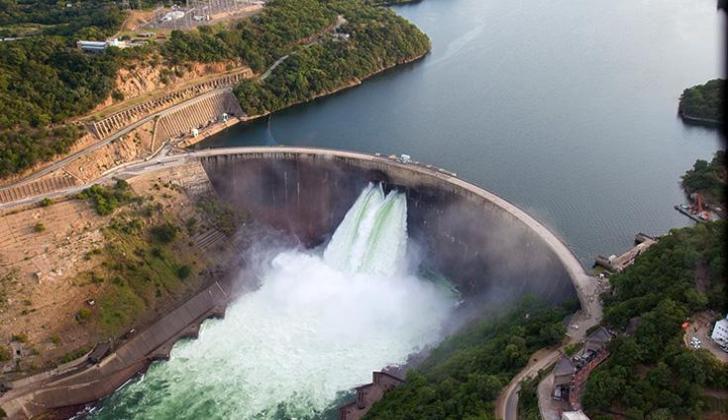
At sunrise, Lake Kariba stretches endlessly across the horizon, its golden waters broken only by fishing boats and half-submerged trees. For generations, the lake has provided life, food, energy, employment, and hope for communities in Zimbabwe and Zambia. It powers homes and industries from Harare and Gweru to Lusaka and Livingstone, feeds households with the famed white meat of tilapia, and sustains fishermen, boat operators, tour guides, hoteliers, and crocodile farmers. It also anchors critical institutions such as the Zambezi River Authority, Zambia Electricity Supply Corporation (ZESCO), and the Zimbabwe Power Company (ZPC), whose operations keep lights on in cities hundreds of kilometres away.
Yet beneath its serene beauty, a quiet crisis is unfolding. Along parts of Kariba's shoreline, thick patches of water hyacinth are emerging, floating carpets of green that seem harmless from a distance but are in fact one of the world's most destructive invasive aquatic plants. Native to South America's Amazon Basin, the plant has thrived in African waters, free of natural predators and fuelled by nutrient pollution, spreading rapidly and suffocating fish by blocking sunlight and depleting oxygen.
Across the continent, water hyacinth has already caused devastation. On Lake Victoria and Lake Naivasha, fishing communities suffered as nets clogged, boats stalled, and fish stocks collapsed. Closer to home, Lake Chivero demonstrates the plant's tenacity, where years of pollution created a fertile ground for its proliferation despite repeated removal efforts. Environmentalists now fear that Kariba could face even greater consequences.
For residents who depend on the lake, the threat is real. Fishermen like Artwell Shoko report that the weed drives fish away, damages nets, and increases fuel costs, sometimes leaving them with nothing at the end of the day. Tour boat operators such as Luckmore Tigere warn that hyacinth could devastate tourism, as dense mats of rotting vegetation make cruising the lake impossible.
At the heart of the problem is untreated sewage and nutrient pollution. Human waste disposal ponds lie close to the lake, and wildlife such as elephants and hippos inadvertently transport hyacinth into open waters. Kariba Municipality pledged in 2024 to erect an electric perimeter fence to prevent wildlife from reaching the sewer ponds, but the plan never materialised. Municipal finance director Saratiere Chitenhe confirmed the intention in 2024, but the project was later downgraded and eventually abandoned. Kariba spokesperson Gabriel Mazivisa confirmed that the fence is neither budgeted for 2026 nor prioritised in 2025.
The municipality has faced penalties before. Six years ago, the Environmental Management Agency (EMA) fined Kariba for discharging raw sewage into the lake. EMA Mashonaland West public relations officer Munyaradzi Nhariswa said enforcement tickets were issued and a court case remains ongoing. EMA investigations show that partially treated wastewater, rich in nitrogen and phosphorus, continues to flow into the lake, triggering eutrophication that depletes oxygen, creates toxic conditions, and allows pollution-tolerant species to dominate.
"The municipal ponds and Kariba Dam shorelines are heavily infested with water hyacinth, forming dense, rapidly expanding mats," said Mr Nhariswa. He added that hyacinth exacerbates flooding, evaporation, and public health risks, while disrupting fishing and water supply and creating breeding grounds for disease vectors such as mosquitoes.
EMA has adopted a two-pronged strategy, combining engagement with municipal authorities and legal action. A landmark 2019 court ruling found the municipality had violated the Environmental Management Act and mandated that pollution issues be resolved. However, recurring sewer bursts and overflowing manholes have forced EMA to pursue further legal action under case CR09/25.
"If left unchecked, water hyacinth could choke critical water intake systems, disrupt hydroelectric power generation and increase evaporation losses in an era of climate stress," said Nhariswa. "Protecting our wetlands is not merely an environmental concern, but a fundamental imperative for safeguarding biodiversity, human health, and economic growth."
While Lake Kariba remains breathtaking, the multiplying green patches of hyacinth along its edges now threaten the very ecosystem that sustains millions of lives.
Yet beneath its serene beauty, a quiet crisis is unfolding. Along parts of Kariba's shoreline, thick patches of water hyacinth are emerging, floating carpets of green that seem harmless from a distance but are in fact one of the world's most destructive invasive aquatic plants. Native to South America's Amazon Basin, the plant has thrived in African waters, free of natural predators and fuelled by nutrient pollution, spreading rapidly and suffocating fish by blocking sunlight and depleting oxygen.
Across the continent, water hyacinth has already caused devastation. On Lake Victoria and Lake Naivasha, fishing communities suffered as nets clogged, boats stalled, and fish stocks collapsed. Closer to home, Lake Chivero demonstrates the plant's tenacity, where years of pollution created a fertile ground for its proliferation despite repeated removal efforts. Environmentalists now fear that Kariba could face even greater consequences.
For residents who depend on the lake, the threat is real. Fishermen like Artwell Shoko report that the weed drives fish away, damages nets, and increases fuel costs, sometimes leaving them with nothing at the end of the day. Tour boat operators such as Luckmore Tigere warn that hyacinth could devastate tourism, as dense mats of rotting vegetation make cruising the lake impossible.
At the heart of the problem is untreated sewage and nutrient pollution. Human waste disposal ponds lie close to the lake, and wildlife such as elephants and hippos inadvertently transport hyacinth into open waters. Kariba Municipality pledged in 2024 to erect an electric perimeter fence to prevent wildlife from reaching the sewer ponds, but the plan never materialised. Municipal finance director Saratiere Chitenhe confirmed the intention in 2024, but the project was later downgraded and eventually abandoned. Kariba spokesperson Gabriel Mazivisa confirmed that the fence is neither budgeted for 2026 nor prioritised in 2025.
"The municipal ponds and Kariba Dam shorelines are heavily infested with water hyacinth, forming dense, rapidly expanding mats," said Mr Nhariswa. He added that hyacinth exacerbates flooding, evaporation, and public health risks, while disrupting fishing and water supply and creating breeding grounds for disease vectors such as mosquitoes.
EMA has adopted a two-pronged strategy, combining engagement with municipal authorities and legal action. A landmark 2019 court ruling found the municipality had violated the Environmental Management Act and mandated that pollution issues be resolved. However, recurring sewer bursts and overflowing manholes have forced EMA to pursue further legal action under case CR09/25.
"If left unchecked, water hyacinth could choke critical water intake systems, disrupt hydroelectric power generation and increase evaporation losses in an era of climate stress," said Nhariswa. "Protecting our wetlands is not merely an environmental concern, but a fundamental imperative for safeguarding biodiversity, human health, and economic growth."
While Lake Kariba remains breathtaking, the multiplying green patches of hyacinth along its edges now threaten the very ecosystem that sustains millions of lives.
Source - The Herald
Join the discussion
Loading comments…





