News / National
Zanu-PF ready to pass Constitutional Amendment No. 3, says Togarepi
25 Feb 2026 at 10:35hrs |
0 Views
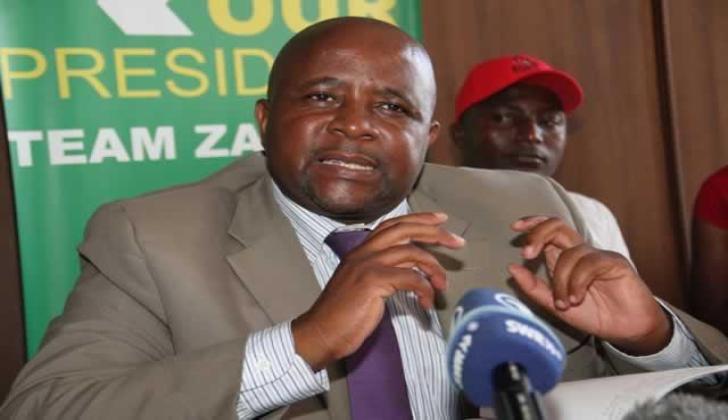
The Constitutional Amendment No. 3 Bill of 2026 is a necessary reform aimed at consolidating national development and resolving long-standing governance challenges, Zanu-PF Chief Whip Pupurai Togarepi has said.
In a statement issued yesterday, Togarepi said the ruling party - which holds a two-thirds majority in Parliament - was prepared to shepherd the Bill through the legislative process once it is tabled.
"As the party with a two-thirds majority in Parliament, and as sponsors of the Bill, we are proud to oversee the legal processes that will culminate in the enactment of the Constitution of Zimbabwe Amendment No. 3," he said.
"It goes without saying that we will okay this very progressive Bill, which represents the culmination of years of listening to the people and understanding the impediments to our national development."
Togarepi described the proposed amendments as a comprehensive solution to governance challenges that have affected Zimbabwe over the years, particularly contested elections.
He said the reforms would address "the bane of contested and polarising election outcomes that have been weaponised to divide our nation since 1980, but became more pronounced post-2000."
"It is trite that as we speak, some losing presidential candidates still dispute the outcome of the 2018 and 2023 elections, choosing to litigate in the media rather than accept the sovereign will of the people. This amendment therefore cures that by aligning us with progressive global best practice," he said.
Among the key proposals in the Bill are extending the terms of the President and Parliament from five to seven years, introducing an indirect parliamentary system for electing the President, and implementing institutional changes aimed at strengthening governance structures and clarifying constitutional roles.
Under the proposed system, the President would be elected by Parliament rather than through a direct popular vote.
"The election of the President will be done by Parliament, putting us in the same league as other stable democracies like South Africa and Botswana," Togarepi said.
"This model cuts the enormous costs of nationwide presidential campaigns - a drain on the fiscus - and minimises the toxicity that has characterised previous elections."
He added that once the amendments are enacted and the Electoral Act is aligned accordingly, Zimbabweans living abroad would be granted the right to vote in national elections.
Togarepi said the reforms were rooted in grassroots consultations and party Resolution Number 1 adopted in Bulawayo.
"As the ruling party legislators, we carry the mandate of the people; these are the people who came with Resolution Number 1 in Bulawayo to effect these constitutional changes," he said.
He argued that frequent elections have disrupted development, particularly in rural communities, by diverting resources from infrastructure and service delivery to campaign cycles.
"Our people have stated plainly that they prefer a stable environment, where funds and attention are focused on improving livelihoods rather than perpetual political cycles," he said.
On economic performance, Togarepi credited President Emmerson Mnangagwa with overseeing significant growth under the Second Republic.
"Since 2017 and more robustly under the leadership of President Mnangagwa, we have witnessed unprecedented development," he said, citing GDP growth, currency stabilisation, lower inflation and improvements in agriculture and mining.
He pointed to programmes such as Pfumvudza and record outputs in gold, tobacco and wheat production as evidence of progress.
Togarepi dismissed criticism describing the reforms as a "constitutional coup", saying such characterisations were a deliberate distraction from what he termed necessary governance reforms.
He further said the Bill would strengthen institutional architecture by establishing a distinct Zimbabwe Electoral Delimitation Commission and transferring custody of the voters' roll to the Registrar-General's Office.
"These are not the actions of a Government seeking to entrench power, but of a responsible administration refining its systems for efficiency and good governance," he said.
Togarepi insisted that legislators would not be swayed by critics and would proceed to enact the Bill in line with what he described as the people's mandate.
In a statement issued yesterday, Togarepi said the ruling party - which holds a two-thirds majority in Parliament - was prepared to shepherd the Bill through the legislative process once it is tabled.
"As the party with a two-thirds majority in Parliament, and as sponsors of the Bill, we are proud to oversee the legal processes that will culminate in the enactment of the Constitution of Zimbabwe Amendment No. 3," he said.
"It goes without saying that we will okay this very progressive Bill, which represents the culmination of years of listening to the people and understanding the impediments to our national development."
Togarepi described the proposed amendments as a comprehensive solution to governance challenges that have affected Zimbabwe over the years, particularly contested elections.
He said the reforms would address "the bane of contested and polarising election outcomes that have been weaponised to divide our nation since 1980, but became more pronounced post-2000."
"It is trite that as we speak, some losing presidential candidates still dispute the outcome of the 2018 and 2023 elections, choosing to litigate in the media rather than accept the sovereign will of the people. This amendment therefore cures that by aligning us with progressive global best practice," he said.
Among the key proposals in the Bill are extending the terms of the President and Parliament from five to seven years, introducing an indirect parliamentary system for electing the President, and implementing institutional changes aimed at strengthening governance structures and clarifying constitutional roles.
Under the proposed system, the President would be elected by Parliament rather than through a direct popular vote.
"The election of the President will be done by Parliament, putting us in the same league as other stable democracies like South Africa and Botswana," Togarepi said.
"This model cuts the enormous costs of nationwide presidential campaigns - a drain on the fiscus - and minimises the toxicity that has characterised previous elections."
He added that once the amendments are enacted and the Electoral Act is aligned accordingly, Zimbabweans living abroad would be granted the right to vote in national elections.
Togarepi said the reforms were rooted in grassroots consultations and party Resolution Number 1 adopted in Bulawayo.
"As the ruling party legislators, we carry the mandate of the people; these are the people who came with Resolution Number 1 in Bulawayo to effect these constitutional changes," he said.
He argued that frequent elections have disrupted development, particularly in rural communities, by diverting resources from infrastructure and service delivery to campaign cycles.
"Our people have stated plainly that they prefer a stable environment, where funds and attention are focused on improving livelihoods rather than perpetual political cycles," he said.
On economic performance, Togarepi credited President Emmerson Mnangagwa with overseeing significant growth under the Second Republic.
"Since 2017 and more robustly under the leadership of President Mnangagwa, we have witnessed unprecedented development," he said, citing GDP growth, currency stabilisation, lower inflation and improvements in agriculture and mining.
He pointed to programmes such as Pfumvudza and record outputs in gold, tobacco and wheat production as evidence of progress.
Togarepi dismissed criticism describing the reforms as a "constitutional coup", saying such characterisations were a deliberate distraction from what he termed necessary governance reforms.
He further said the Bill would strengthen institutional architecture by establishing a distinct Zimbabwe Electoral Delimitation Commission and transferring custody of the voters' roll to the Registrar-General's Office.
"These are not the actions of a Government seeking to entrench power, but of a responsible administration refining its systems for efficiency and good governance," he said.
Togarepi insisted that legislators would not be swayed by critics and would proceed to enact the Bill in line with what he described as the people's mandate.
Source - The Herald
Join the discussion
Loading comments…




