News / National
Lake Kariba recovery boosts power generation prospects
31 Mar 2026 at 15:27hrs |
0 Views
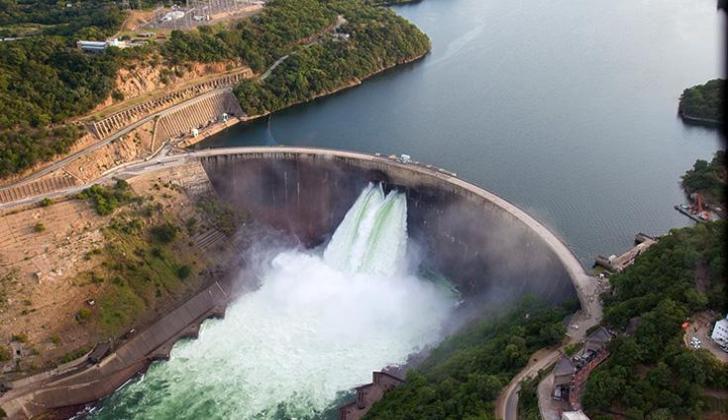
The recovery of Lake Kariba has gathered momentum, significantly improving the outlook for hydroelectric power generation in both Zimbabwe and Zambia.
As of March 30, 2026, water levels at the reservoir had risen to 479.10 metres, representing 25.28% usable storage, a notable increase from 476.83 metres (9.18%) recorded during the same period last year. The lake has now moved further above the critical minimum operating threshold of 475.50 metres, easing pressure on power generation systems that have struggled in recent years.
The recovery has been driven by significantly improved inflows along the Zambezi River, with key monitoring stations recording substantial increases compared to last year.
At Victoria Falls, flows reached 4,206 cubic metres per second, more than double the 1,647 cubic metres per second recorded a year ago. Similarly strong flows were observed at Ngonye and Chavuma, reinforcing the upward trend in water levels.
Although some upstream flows have begun to stabilise after seasonal peaks, overall volumes remain well above last year's levels, continuing to support the reservoir's recovery.
The rising water levels are already translating into improved power generation conditions. Increased storage enhances turbine efficiency, allowing for greater electricity output and improved flexibility in water allocation.
This development is expected to reduce reliance on electricity imports and thermal generation, while also easing pressure on load shedding that has affected both countries in recent years.
Energy analysts note that hydropower generation at Lake Kariba is highly sensitive to water levels, making the move above 25% usable capacity a key milestone in stabilising the energy sector.
Hydrological trends indicate that the current rainy season has moved past peak inflow levels but remains in a strong and sustained phase. While river flows are gradually moderating, the reservoir continues to benefit from delayed inflow effects, allowing water levels to keep rising.
This marks a transition from rapid recharge to a more stable consolidation phase, which is critical for maintaining consistent power generation.
If inflows remain favourable into April, Lake Kariba is expected to approach more stable operating levels, supporting steady improvements in electricity generation through the dry season.
The continued recovery is likely to reduce the risk of severe power shortages and strengthen energy security in the region.
Although the reservoir is still below optimal capacity, the combination of strong inflows and rising storage levels signals a meaningful turnaround, positioning Zimbabwe and Zambia for a more stable power supply outlook in 2026.
As of March 30, 2026, water levels at the reservoir had risen to 479.10 metres, representing 25.28% usable storage, a notable increase from 476.83 metres (9.18%) recorded during the same period last year. The lake has now moved further above the critical minimum operating threshold of 475.50 metres, easing pressure on power generation systems that have struggled in recent years.
The recovery has been driven by significantly improved inflows along the Zambezi River, with key monitoring stations recording substantial increases compared to last year.
At Victoria Falls, flows reached 4,206 cubic metres per second, more than double the 1,647 cubic metres per second recorded a year ago. Similarly strong flows were observed at Ngonye and Chavuma, reinforcing the upward trend in water levels.
Although some upstream flows have begun to stabilise after seasonal peaks, overall volumes remain well above last year's levels, continuing to support the reservoir's recovery.
The rising water levels are already translating into improved power generation conditions. Increased storage enhances turbine efficiency, allowing for greater electricity output and improved flexibility in water allocation.
This development is expected to reduce reliance on electricity imports and thermal generation, while also easing pressure on load shedding that has affected both countries in recent years.
Energy analysts note that hydropower generation at Lake Kariba is highly sensitive to water levels, making the move above 25% usable capacity a key milestone in stabilising the energy sector.
Hydrological trends indicate that the current rainy season has moved past peak inflow levels but remains in a strong and sustained phase. While river flows are gradually moderating, the reservoir continues to benefit from delayed inflow effects, allowing water levels to keep rising.
This marks a transition from rapid recharge to a more stable consolidation phase, which is critical for maintaining consistent power generation.
If inflows remain favourable into April, Lake Kariba is expected to approach more stable operating levels, supporting steady improvements in electricity generation through the dry season.
The continued recovery is likely to reduce the risk of severe power shortages and strengthen energy security in the region.
Although the reservoir is still below optimal capacity, the combination of strong inflows and rising storage levels signals a meaningful turnaround, positioning Zimbabwe and Zambia for a more stable power supply outlook in 2026.
Source - Bulawayo24News
Join the discussion
Loading comments…




