News / National
Majome removal linked to procedure breaches
17 Apr 2026 at 14:22hrs |
0 Views
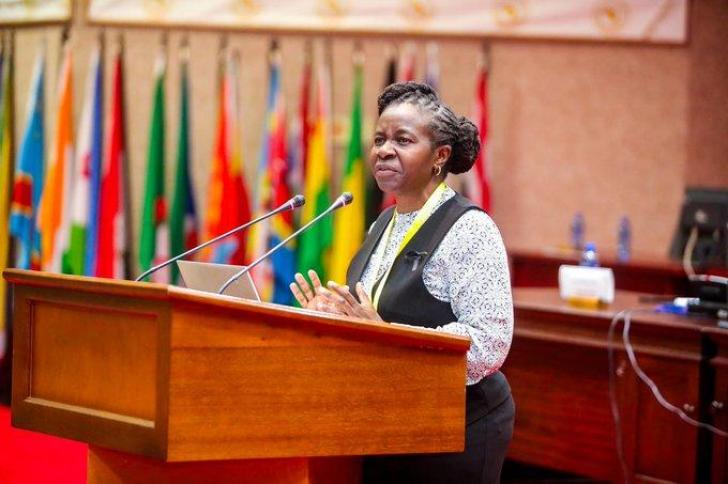
The removal of Jessie Majome as chairperson of the Zimbabwe Human Rights Commission has been attributed to a combination of procedural irregularities and her handling of a contentious public statement on proposed constitutional amendments.
Sources familiar with the developments say Majome's dismissal followed concerns over governance processes within the commission, including the alleged absence of a quorum when key decisions were made prior to the appointment of new board members.
Further issues reportedly cited include a lack of broader consultations within the commission, as well as her decision to comment publicly on an ongoing constitutional amendment process that had not yet been finalised.
Authorities also raised concern over protocol, indicating that Majome presented her report to the media before submitting it to Parliament, a move viewed as contrary to established procedures.
In terms of Section 323 of the Constitution, the commission is required to submit its annual reports to Parliament through the Minister of Justice, Legal and Parliamentary Affairs. These reports provide a summary of the commission's activities, findings and recommendations.
The Zimbabwe Human Rights Commission is an independent body established under Section 232(b) of the Constitution, with a mandate to monitor human rights compliance, investigate complaints, conduct public hearings and undertake research.
Its outputs include annual and thematic reports, as well as public statements on human rights issues.
However, analysts note that while the commission is constitutionally mandated to operate independently, its work has at times been affected by political dynamics, raising questions about the extent to which it can execute its dual mandate of protecting human rights and promoting administrative justice without interference.
Majome, a former opposition Member of Parliament and deputy minister, had recently issued a strong statement on the proposed constitutional amendments, which have sparked widespread debate across political and civic spaces.
Her removal adds a new dimension to the ongoing discourse, with observers likely to scrutinise both the procedural grounds cited and the broader implications for institutional independence.
Sources familiar with the developments say Majome's dismissal followed concerns over governance processes within the commission, including the alleged absence of a quorum when key decisions were made prior to the appointment of new board members.
Further issues reportedly cited include a lack of broader consultations within the commission, as well as her decision to comment publicly on an ongoing constitutional amendment process that had not yet been finalised.
Authorities also raised concern over protocol, indicating that Majome presented her report to the media before submitting it to Parliament, a move viewed as contrary to established procedures.
In terms of Section 323 of the Constitution, the commission is required to submit its annual reports to Parliament through the Minister of Justice, Legal and Parliamentary Affairs. These reports provide a summary of the commission's activities, findings and recommendations.
Its outputs include annual and thematic reports, as well as public statements on human rights issues.
However, analysts note that while the commission is constitutionally mandated to operate independently, its work has at times been affected by political dynamics, raising questions about the extent to which it can execute its dual mandate of protecting human rights and promoting administrative justice without interference.
Majome, a former opposition Member of Parliament and deputy minister, had recently issued a strong statement on the proposed constitutional amendments, which have sparked widespread debate across political and civic spaces.
Her removal adds a new dimension to the ongoing discourse, with observers likely to scrutinise both the procedural grounds cited and the broader implications for institutional independence.
Source - online
Join the discussion
Loading comments…





