News / National
Parliament demands full accounting of sugar tax funds
17 Apr 2026 at 17:40hrs |
0 Views
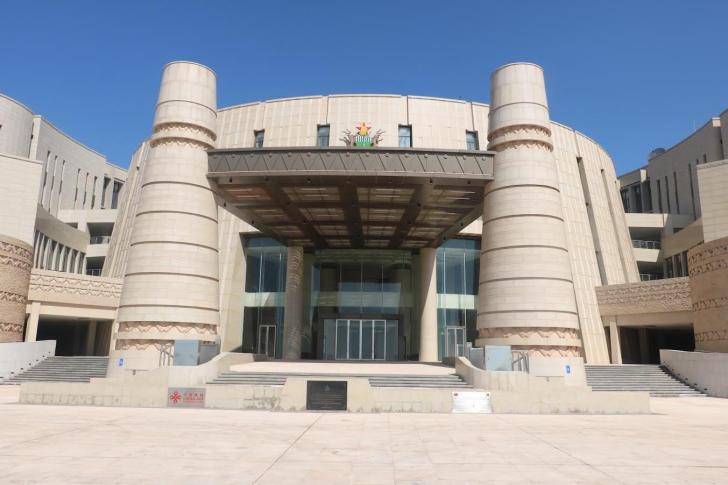
Parliament was recently forced to halt a ministerial briefing on the utilisation of sugar tax revenues after legislators demanded a comprehensive breakdown of how millions raised from the levy have been spent.
The sugar tax, introduced by Finance, Economic Development and Investment Promotion Minister Mthuli Ncube, applies a charge on sugar-sweetened beverages and was initially designed to fund cancer treatment and related healthcare services.
The levy - set at US$0.001 per gramme after being revised down from US$0.02 - was expected to provide a dedicated funding stream for the procurement of oncology equipment and improved cancer care.
According to parliamentary disclosures, the tax generated approximately US$30.8 million by November 2024, with a further US$25.4 million collected between January and May 2025.
Government has maintained that the revenue is ring-fenced for health services. However, critics argue that there is limited evidence showing transparent or effective utilisation of the funds nearly two years after its introduction.
The Zimbabwe Association of Doctors for Human Rights has previously raised concerns that the US$30.8 million collected by November 2024 had not been fully disbursed for procurement, while legal and civil society actors have called for greater transparency in reporting.
During the latest parliamentary sitting, Health and Child Care deputy minister Sleiman Kwidini said approximately US$30.8 million released by Treasury had been directed towards strengthening cancer diagnosis and treatment services.
He said the funds had supported the procurement of radiotherapy machines for Parirenyatwa Group of Hospitals and Mpilo Central Hospital, with installation currently underway.
"These developments mark a significant milestone in expanding access to life-saving cancer treatment services," he said.
Kwidini added that government intends to expand procurement to include CT scanners, MRI machines, mammography units and other diagnostic equipment as part of a broader non-communicable diseases response strategy.
However, the presentation sparked strong objections from legislators who said it lacked detailed financial breakdowns and failed to account for the full scope of revenue collected.
Opposition MP Surrender Kapoikilu questioned what specific equipment had been purchased and at what cost, while Mbizo legislator Corban Madzivanyika called for district-level disclosure of medical equipment distribution.
Edwin Mushoriwa criticised the statement for only reflecting part of the revenue cycle, noting that ongoing collections from 2025 had not been addressed.
Zanu-PF chief whip Pupurai Togarepi also urged greater transparency, calling for itemised reporting of expenditure to ensure public accountability.
Acting Speaker Joseph Tshuma ruled that the ministry must return with a comprehensive report detailing how the funds have been utilised.
"A matter of health is a matter of concern to everybody," he said, directing the ministry to provide a full accounting to Parliament.
The sugar tax, introduced by Finance, Economic Development and Investment Promotion Minister Mthuli Ncube, applies a charge on sugar-sweetened beverages and was initially designed to fund cancer treatment and related healthcare services.
The levy - set at US$0.001 per gramme after being revised down from US$0.02 - was expected to provide a dedicated funding stream for the procurement of oncology equipment and improved cancer care.
According to parliamentary disclosures, the tax generated approximately US$30.8 million by November 2024, with a further US$25.4 million collected between January and May 2025.
Government has maintained that the revenue is ring-fenced for health services. However, critics argue that there is limited evidence showing transparent or effective utilisation of the funds nearly two years after its introduction.
The Zimbabwe Association of Doctors for Human Rights has previously raised concerns that the US$30.8 million collected by November 2024 had not been fully disbursed for procurement, while legal and civil society actors have called for greater transparency in reporting.
During the latest parliamentary sitting, Health and Child Care deputy minister Sleiman Kwidini said approximately US$30.8 million released by Treasury had been directed towards strengthening cancer diagnosis and treatment services.
He said the funds had supported the procurement of radiotherapy machines for Parirenyatwa Group of Hospitals and Mpilo Central Hospital, with installation currently underway.
Kwidini added that government intends to expand procurement to include CT scanners, MRI machines, mammography units and other diagnostic equipment as part of a broader non-communicable diseases response strategy.
However, the presentation sparked strong objections from legislators who said it lacked detailed financial breakdowns and failed to account for the full scope of revenue collected.
Opposition MP Surrender Kapoikilu questioned what specific equipment had been purchased and at what cost, while Mbizo legislator Corban Madzivanyika called for district-level disclosure of medical equipment distribution.
Edwin Mushoriwa criticised the statement for only reflecting part of the revenue cycle, noting that ongoing collections from 2025 had not been addressed.
Zanu-PF chief whip Pupurai Togarepi also urged greater transparency, calling for itemised reporting of expenditure to ensure public accountability.
Acting Speaker Joseph Tshuma ruled that the ministry must return with a comprehensive report detailing how the funds have been utilised.
"A matter of health is a matter of concern to everybody," he said, directing the ministry to provide a full accounting to Parliament.
Source - newsday
Join the discussion
Loading comments…



