News / National
Malema sentencing sparks debate over SA justice system
17 Apr 2026 at 19:20hrs |
0 Views
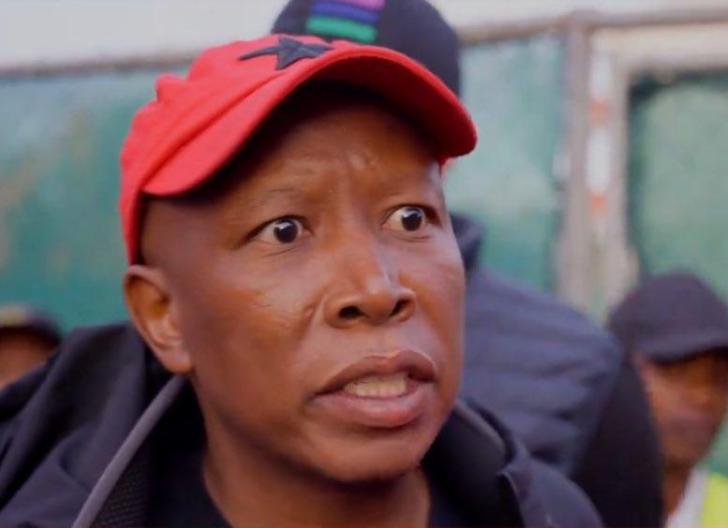
The sentencing of Julius Malema to five years' imprisonment has ignited a fierce national debate, with political analysts and activists questioning the fairness and consistency of South Africa's judicial system.
The leader of the Economic Freedom Fighters was sentenced by Magistrate Twanet Olivier at the East London Magistrate's Court after being found guilty of discharging a semi-automatic rifle during a 2018 rally in Mdantsane, Eastern Cape.
While the court granted Malema leave to appeal his sentence, it denied his application to challenge the conviction. He has been released on warning pending the outcome of the appeal.
Allegations of bias and selective justice
The ruling has drawn sharp criticism from sections of civil society, with some arguing that the severity of the sentence points to deeper structural issues within the justice system.
Social activist Kim Heller said the case raises concerns about judicial independence and neutrality, arguing that politically prominent figures who challenge existing power structures often face heightened legal scrutiny.
Political analyst Sipho Seepe also questioned whether the case would have progressed with the same intensity without the involvement of AfriForum, the civil rights group that initiated the private prosecution.
He suggested that the case creates a perception that external actors may influence prosecutorial priorities, raising broader concerns about equality before the law.
The case has also been contrasted with the handling of the Phala Phala scandal involving President Cyril Ramaphosa.
Critics point to the lack of decisive prosecutorial outcomes in that matter, despite investigations and recommendations from the Independent Police Investigative Directorate regarding alleged misconduct by members of the Presidential Protection Unit.
For some observers, the perceived disparity between the two cases has reinforced claims of selective application of justice.
Analysts warn that the sentencing could have unintended political consequences. Rather than weakening Malema, the ruling may strengthen his support base by positioning him as a figure of resistance.
There are concerns that a custodial sentence could disrupt parliamentary activity and party leadership, while simultaneously galvanising the EFF's political messaging ahead of future elections.
The case has unfolded amid heightened international attention. In 2025, Donald Trump publicly called for Malema's arrest over his use of the controversial “Kill the Boer” chant, adding an external dimension to an already politically charged issue.
While analysts caution against linking such statements directly to judicial outcomes, they acknowledge that international rhetoric can shape public perception and political narratives.
Speaking outside court, Malema criticised the ruling, alleging bias and describing the judgment as part of a broader pattern of political targeting.
As the appeal process unfolds, the case has become a focal point in a wider national conversation about the integrity and independence of South Africa's judiciary.
For many, the issue extends beyond Malema himself, raising deeper questions about consistency, accountability and whether the post-apartheid legal system has fully addressed the inequalities embedded in its past.
The leader of the Economic Freedom Fighters was sentenced by Magistrate Twanet Olivier at the East London Magistrate's Court after being found guilty of discharging a semi-automatic rifle during a 2018 rally in Mdantsane, Eastern Cape.
While the court granted Malema leave to appeal his sentence, it denied his application to challenge the conviction. He has been released on warning pending the outcome of the appeal.
Allegations of bias and selective justice
The ruling has drawn sharp criticism from sections of civil society, with some arguing that the severity of the sentence points to deeper structural issues within the justice system.
Social activist Kim Heller said the case raises concerns about judicial independence and neutrality, arguing that politically prominent figures who challenge existing power structures often face heightened legal scrutiny.
Political analyst Sipho Seepe also questioned whether the case would have progressed with the same intensity without the involvement of AfriForum, the civil rights group that initiated the private prosecution.
He suggested that the case creates a perception that external actors may influence prosecutorial priorities, raising broader concerns about equality before the law.
The case has also been contrasted with the handling of the Phala Phala scandal involving President Cyril Ramaphosa.
Critics point to the lack of decisive prosecutorial outcomes in that matter, despite investigations and recommendations from the Independent Police Investigative Directorate regarding alleged misconduct by members of the Presidential Protection Unit.
For some observers, the perceived disparity between the two cases has reinforced claims of selective application of justice.
Analysts warn that the sentencing could have unintended political consequences. Rather than weakening Malema, the ruling may strengthen his support base by positioning him as a figure of resistance.
There are concerns that a custodial sentence could disrupt parliamentary activity and party leadership, while simultaneously galvanising the EFF's political messaging ahead of future elections.
The case has unfolded amid heightened international attention. In 2025, Donald Trump publicly called for Malema's arrest over his use of the controversial “Kill the Boer” chant, adding an external dimension to an already politically charged issue.
While analysts caution against linking such statements directly to judicial outcomes, they acknowledge that international rhetoric can shape public perception and political narratives.
Speaking outside court, Malema criticised the ruling, alleging bias and describing the judgment as part of a broader pattern of political targeting.
As the appeal process unfolds, the case has become a focal point in a wider national conversation about the integrity and independence of South Africa's judiciary.
For many, the issue extends beyond Malema himself, raising deeper questions about consistency, accountability and whether the post-apartheid legal system has fully addressed the inequalities embedded in its past.
Source - online
Join the discussion
Loading comments…



