News / National
Govt warns councils against excessive licensing fees
10 Jun 2026 at 09:46hrs |
0 Views
The Government has warned local authorities against imposing excessive licensing fees and levies that discourage investment and increase the cost of doing business, saying councils must align with national policies aimed at creating a more business-friendly environment.
The directive forms part of the Government's broader "Zimbabwe is Open for Business" policy, which seeks to attract both domestic and foreign investment by reducing regulatory barriers and lowering operational costs for businesses.
President Emmerson Mnangagwa has consistently identified private sector growth as a key driver of economic development, job creation and industrialisation under the country's Vision 2030 agenda and National Development Strategy.
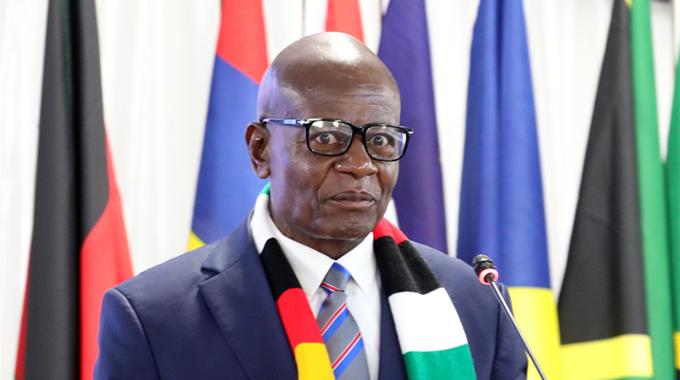
Speaking in an interview in Victoria Falls, Local Government and Public Works Minister Daniel Garwe said local authorities that continue to ignore Government directives on licensing fees risk facing corrective action.
"The President has directed all local authorities and Government ministries to ensure that licensing fees and rates encourage people to invest and conduct business," Garwe said.
"If there is any local authority which is not paying attention to that, we humbly request people to bring the names of those local authorities so that corrective measures are put in place."
He said all councils are expected to comply with measures introduced by Government at the beginning of the year to improve the ease of doing business.
"Government has been promoting the ease of doing business by slashing rates and ensuring that licensing fees are affordable and acceptable to communities, business people and everyone else," he said.
Garwe's remarks come amid growing complaints from business operators that some local authorities continue to charge high fees for operating licences, parking permits and various municipal levies despite Government efforts to reduce business costs.
Small and medium-sized enterprises (SMEs) have been particularly vocal, arguing that excessive fees are constraining growth and, in some cases, forcing businesses to either operate informally or close altogether.
Earlier this year, Government announced a reduction in licensing fees across 12 strategic sectors, including manufacturing, retail, tourism, transport, agriculture, mining, construction, information technology, health services, education, real estate and hospitality.
The measures also cover trade licences, parking fees, street vendor permits and a range of administrative charges imposed by local authorities.
Government officials say the reforms are a critical component of the Second Republic's economic transformation agenda and are intended to stimulate investment, encourage formalisation of small businesses and improve regulatory compliance.
Business stakeholders have largely welcomed the move, arguing that high municipal charges have for years imposed an unnecessary burden on enterprises, particularly those operating in the informal sector.
Authorities believe reducing these costs will encourage more businesses to register formally, broaden the tax base and enhance Zimbabwe's attractiveness as an investment destination.
The ease of doing business remains a central pillar of the National Development Strategy 2 (NDS2), which seeks to promote entrepreneurship, create employment opportunities and drive private sector-led economic growth.
Garwe urged members of the public to report councils that continue to disregard Government policy.
"Corrective measures will be taken without fear or favour. No council is above Government policy," he said.
The Ministry of Local Government and Public Works has since established a hotline and email platform to receive complaints from the public, with some local authorities expected to undergo compliance reviews as Government intensifies efforts to enforce the new policy framework.
The directive forms part of the Government's broader "Zimbabwe is Open for Business" policy, which seeks to attract both domestic and foreign investment by reducing regulatory barriers and lowering operational costs for businesses.
President Emmerson Mnangagwa has consistently identified private sector growth as a key driver of economic development, job creation and industrialisation under the country's Vision 2030 agenda and National Development Strategy.
Speaking in an interview in Victoria Falls, Local Government and Public Works Minister Daniel Garwe said local authorities that continue to ignore Government directives on licensing fees risk facing corrective action.
"The President has directed all local authorities and Government ministries to ensure that licensing fees and rates encourage people to invest and conduct business," Garwe said.
"If there is any local authority which is not paying attention to that, we humbly request people to bring the names of those local authorities so that corrective measures are put in place."
He said all councils are expected to comply with measures introduced by Government at the beginning of the year to improve the ease of doing business.
"Government has been promoting the ease of doing business by slashing rates and ensuring that licensing fees are affordable and acceptable to communities, business people and everyone else," he said.
Garwe's remarks come amid growing complaints from business operators that some local authorities continue to charge high fees for operating licences, parking permits and various municipal levies despite Government efforts to reduce business costs.
Small and medium-sized enterprises (SMEs) have been particularly vocal, arguing that excessive fees are constraining growth and, in some cases, forcing businesses to either operate informally or close altogether.
Earlier this year, Government announced a reduction in licensing fees across 12 strategic sectors, including manufacturing, retail, tourism, transport, agriculture, mining, construction, information technology, health services, education, real estate and hospitality.
The measures also cover trade licences, parking fees, street vendor permits and a range of administrative charges imposed by local authorities.
Government officials say the reforms are a critical component of the Second Republic's economic transformation agenda and are intended to stimulate investment, encourage formalisation of small businesses and improve regulatory compliance.
Business stakeholders have largely welcomed the move, arguing that high municipal charges have for years imposed an unnecessary burden on enterprises, particularly those operating in the informal sector.
Authorities believe reducing these costs will encourage more businesses to register formally, broaden the tax base and enhance Zimbabwe's attractiveness as an investment destination.
The ease of doing business remains a central pillar of the National Development Strategy 2 (NDS2), which seeks to promote entrepreneurship, create employment opportunities and drive private sector-led economic growth.
Garwe urged members of the public to report councils that continue to disregard Government policy.
"Corrective measures will be taken without fear or favour. No council is above Government policy," he said.
The Ministry of Local Government and Public Works has since established a hotline and email platform to receive complaints from the public, with some local authorities expected to undergo compliance reviews as Government intensifies efforts to enforce the new policy framework.
Source - The Chronicle
Join the discussion
Loading comments…


