News / National
Zimbabwe govt assures security ahead of CAB 3 vote
11 Jun 2026 at 13:46hrs |
0 Views
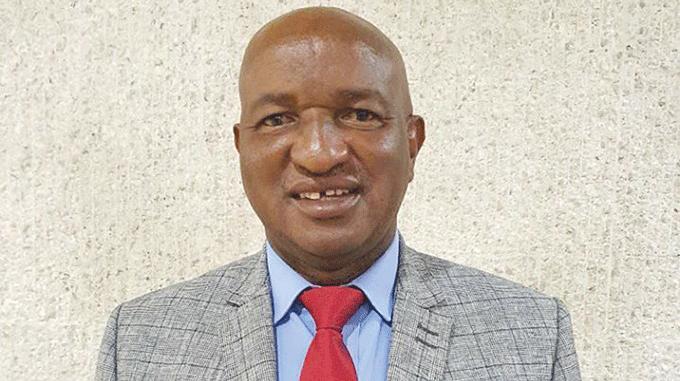
Parliamentarians are expected to vote on the Constitution of Zimbabwe Amendment Bill (No. 3) in a peaceful environment after Government assured legislators that security agencies will safeguard the process and prevent any attempts at intimidation or disruption.
The vote, scheduled for the National Assembly tomorrow, represents a critical stage in the legislative process and could usher in significant changes to Zimbabwe's governance, electoral and institutional framework.
During debate on the Bill, many legislators, including some from opposition parties, expressed support for the proposed amendments, arguing that they would enhance policy continuity, reduce political tensions and create a more stable environment for long-term national development.
In a statement issued yesterday, State Security Minister Lovemore Matuke said Members of Parliament should freely discharge their constitutional responsibilities without fear.
"We want to urge parliamentarians to exercise their duty freely without fear as the security situation is calm," he said.
"They should do it freely, because they are only discharging the mandate which they were given by the people from their different constituencies."
Minister Matuke warned individuals seeking to disrupt the voting process that security agencies were prepared to maintain order and ensure parliamentary proceedings continue uninterrupted.
"We know CAB 3 needs a lot of support from all the constituencies, and we hope that, as they vote, they will feel the will and needs of the people who sent them to Parliament.
"We wish them to discharge their mandate and support CAB 3, because it was overwhelmingly supported by the majority of the people during the outreach programme," he said.
He added that security authorities would closely monitor the situation throughout the voting process.
"The voting is going to be done in a peaceful manner. Those who wish to disrupt the voting process will be dealt with. The security apparatus is ready to deal with malcontents.
"We expect the place to be safe to allow the smooth sailing of the processes," said Minister Matuke.
Addressing allegations that some legislators were facing intimidation, the minister said such claims had surfaced alongside ongoing debate on the constitutional amendments.
"The timing of the claims of intimidation is coinciding with discussions around Constitutional Amendment Bill No. 3. When arguments weaken, some choose to escalate rhetoric," he said.
Parliamentary Portfolio Committee on Justice, Legal and Parliamentary Affairs chairperson Eddison Zvobgo Jr. outlined the next stages of the legislative process.
"After debating, then MPs will go into voting clause by clause.
"Thereafter, there will be adoption of the Bill before it is sent to Senate for their input," he said.
If approved by the National Assembly, the Bill will proceed to the Senate for consideration.
"If the Senate agrees with changes, the Bill will come back to the National Assembly for third reading to formally adopt the finished product," said Cde Zvobgo.
Once Parliament completes its consideration of the Bill, it will be submitted to President Emmerson Mnangagwa for assent before being published in the Government Gazette, after which the amendments would become part of the Constitution in accordance with the legislation's commencement provisions.
According to a report adopted by Parliament from the Parliamentary Portfolio Committee on Justice, Legal and Parliamentary Affairs, more than 530,000 written submissions supported the Bill, while 2,935 opposed it.
The committee reported significant support for proposals that would replace direct presidential elections with a parliamentary election model, with supporters arguing that such a system would improve cooperation between the Executive and Legislature, strengthen policy alignment and reduce the costs associated with nationwide presidential elections.
The report also noted support for extending the terms of both the President and Parliament from five years to seven years, with proponents arguing that longer electoral cycles would reduce election-related expenditure and provide greater policy stability and continuity.
The vote, scheduled for the National Assembly tomorrow, represents a critical stage in the legislative process and could usher in significant changes to Zimbabwe's governance, electoral and institutional framework.
During debate on the Bill, many legislators, including some from opposition parties, expressed support for the proposed amendments, arguing that they would enhance policy continuity, reduce political tensions and create a more stable environment for long-term national development.
In a statement issued yesterday, State Security Minister Lovemore Matuke said Members of Parliament should freely discharge their constitutional responsibilities without fear.
"We want to urge parliamentarians to exercise their duty freely without fear as the security situation is calm," he said.
"They should do it freely, because they are only discharging the mandate which they were given by the people from their different constituencies."
Minister Matuke warned individuals seeking to disrupt the voting process that security agencies were prepared to maintain order and ensure parliamentary proceedings continue uninterrupted.
"We know CAB 3 needs a lot of support from all the constituencies, and we hope that, as they vote, they will feel the will and needs of the people who sent them to Parliament.
"We wish them to discharge their mandate and support CAB 3, because it was overwhelmingly supported by the majority of the people during the outreach programme," he said.
He added that security authorities would closely monitor the situation throughout the voting process.
"The voting is going to be done in a peaceful manner. Those who wish to disrupt the voting process will be dealt with. The security apparatus is ready to deal with malcontents.
Addressing allegations that some legislators were facing intimidation, the minister said such claims had surfaced alongside ongoing debate on the constitutional amendments.
"The timing of the claims of intimidation is coinciding with discussions around Constitutional Amendment Bill No. 3. When arguments weaken, some choose to escalate rhetoric," he said.
Parliamentary Portfolio Committee on Justice, Legal and Parliamentary Affairs chairperson Eddison Zvobgo Jr. outlined the next stages of the legislative process.
"After debating, then MPs will go into voting clause by clause.
"Thereafter, there will be adoption of the Bill before it is sent to Senate for their input," he said.
If approved by the National Assembly, the Bill will proceed to the Senate for consideration.
"If the Senate agrees with changes, the Bill will come back to the National Assembly for third reading to formally adopt the finished product," said Cde Zvobgo.
Once Parliament completes its consideration of the Bill, it will be submitted to President Emmerson Mnangagwa for assent before being published in the Government Gazette, after which the amendments would become part of the Constitution in accordance with the legislation's commencement provisions.
According to a report adopted by Parliament from the Parliamentary Portfolio Committee on Justice, Legal and Parliamentary Affairs, more than 530,000 written submissions supported the Bill, while 2,935 opposed it.
The committee reported significant support for proposals that would replace direct presidential elections with a parliamentary election model, with supporters arguing that such a system would improve cooperation between the Executive and Legislature, strengthen policy alignment and reduce the costs associated with nationwide presidential elections.
The report also noted support for extending the terms of both the President and Parliament from five years to seven years, with proponents arguing that longer electoral cycles would reduce election-related expenditure and provide greater policy stability and continuity.
Source - The Herald
Join the discussion
Loading comments…


