News / National
Mnangagwa's govt warns against July 31 protests
26 Jul 2026 at 17:38hrs |
0 Views
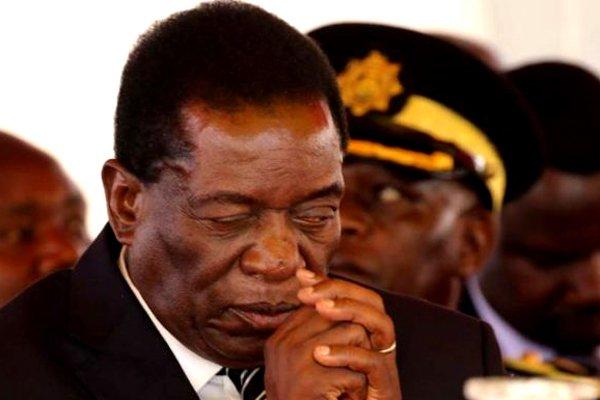
The government has intensified its warnings against the planned July 31 nationwide demonstrations opposing Constitutional Amendment Act No. 3 (CAA3), insisting that citizens dissatisfied with the constitutional changes should seek legal remedies through the courts rather than take to the streets.
The warning comes amid an escalating security crackdown, with authorities saying law enforcement agencies are prepared to respond decisively to any unlawful demonstrations.
Home Affairs and Cultural Heritage Minister Kazembe Kazembe last week warned that security services would be deployed in full force to deal with any illegal activities associated with the planned protests.
The crackdown has already seen opposition activist Bhekimpilo Mbedzi remain in custody, while several opposition figures have reported receiving anonymous threats and experiencing acts of intimidation and vandalism over allegations that they are mobilising for the July 31 protests.
Leaders of the National Constitutional Assembly (NCA) also recently postponed a planned meeting after police reportedly cordoned off the party's offices.
Critics argue that these developments amount to a shrinking of civic space and undermine Section 59 of Zimbabwe's Constitution, which guarantees the right to demonstrate and present petitions peacefully.
Responding to the criticism, Home Affairs permanent secretary Raphael Faranisi rejected claims that the government was suppressing constitutional freedoms, saying citizens remained free to protest provided they complied with the law.
"Our constitution guarantees the right to protest as long as it is legal and you follow the right procedures," Faranisi said in an interview.
"If you want to demonstrate for a good cause, what you have to do is approach the nearest police station, inform them of the purpose of the demonstration, the time and the route, and there will be an assessment based on security considerations."
Faranisi said authorities had a duty to balance the rights of demonstrators with those of other members of the public.
"Mind you, even when you protest, those people going about their ordinary day-to-day business also have a right to free movement, so there ought to be a balance," he said.
"As long as you are protesting legally and it has been cleared, there is nothing wrong with that.
"The government is not compromising the rights of citizens."
He also denied accusations that the authorities were targeting opposition activists.
"We haven't clamped down on anyone.
"When we issue a statement, it's just a reminder to citizens that if you wish to do anything, do it correctly."
Faranisi said that despite widespread mobilisation for the demonstrations on social media, government had not received any formal notification from organisers.
"It's all over social media that there is going to be a protest, but we have not seen any letter seeking permission," he said.
"We are not stopping anybody from petitioning or expressing their concerns publicly. But it must be done legally.
"That is the underlying word: legally. For it to be legal, there are procedures that must be followed.
"If they still disagree, they can go to court. The court has the final say.
"There are so many cases where the government is brought to account.
"The government has lost some cases in court, so on this one, the same applies."
However, Faranisi's assertion appears to be contradicted by correspondence submitted by the Zimbabwe African People's Union (Zapu).
In a letter dated July 24 to the Officer Commanding Harare Province, Zapu formally notified police, in terms of the Maintenance of Peace and Order Act (MOPA), of its intention to hold a gathering at Africa Unity Square on July 31.
The notification identified Zapu secretary-general Mthulisi Hanana as the convener and vice-president Derek Katsenga as deputy convener.
According to the notice, the gathering is intended to protest against Constitutional Amendment Act No. 3, with the party arguing that the constitutional amendments should have been subjected to a referendum under Section 328 of the Constitution before being enacted.
Zapu further contends that the amendments undermine constitutional rights, including political rights protected under Section 67 of the Constitution.
Meanwhile, Sungano yeVanhu–Ubumbano loMphakathi (People's Coalition), another grouping campaigning against the constitutional amendments, clarified that while it supports citizens' constitutional right to peacefully stay away from work on July 31, it is not organising the action.
Addressing journalists on Friday, coalition convener Reverend Kupakwashe Mtata described the planned stay-away as a citizen-driven initiative rather than a political party campaign.
"The Coalition expresses solidarity with the citizen-led, decentralised initiative," Mtata said.
"It recognises the call for a referendum on CAA3 as a legitimate expression of popular sovereignty."
The coalition said Zimbabweans were entitled to exercise their constitutional rights peacefully and lawfully, including choosing to remain at home on July 31.
It also alleged that opponents of Constitutional Amendment Act No. 3 had been subjected to intimidation.
Among the incidents cited were the continued detention of Mbedzi, criminal proceedings involving Zimbabwe National Students Union members, threats against coalition leaders, vandalism at Mtata's workplace and alleged plans to arrest opposition figures.
The coalition further accused government of attempting to legitimise the constitutional amendments through misinformation.
"An unconstitutional act does not become constitutional just because it is printed," Mtata said.
Speaking at the same press conference, politician Munyaradzi Gwisai said the Constitution clearly protects citizens' right to peaceful protest.
"Section 59 allows the citizens of this country the right to protest. We must not create this fear," Gwisai said.
"We have endorsed the stay-away, because remember we have said that July 31 is an organic, people-driven action."
Constitutional lawyer Lovemore Madhuku said he remained confident that several applications challenging Constitutional Amendment Act No. 3 before the Constitutional Court would succeed.
"There is a limit to which the courts can actually bend the rules," Madhuku said.
"Some people think they are captured. When you talk to people in Zanu PF, they simply say they are in control of the courts. They are totally mistaken."
He said he expected the first constitutional challenges to be heard in September, with related applications likely to be consolidated according to the legal issues they raise.
President Emmerson Mnangagwa signed Constitutional Amendment Act No. 3 into law after Parliament approved the changes, postponing Zimbabwe's next general elections until 2030 and introducing several constitutional amendments that continue to attract legal and political opposition.
The warning comes amid an escalating security crackdown, with authorities saying law enforcement agencies are prepared to respond decisively to any unlawful demonstrations.
Home Affairs and Cultural Heritage Minister Kazembe Kazembe last week warned that security services would be deployed in full force to deal with any illegal activities associated with the planned protests.
The crackdown has already seen opposition activist Bhekimpilo Mbedzi remain in custody, while several opposition figures have reported receiving anonymous threats and experiencing acts of intimidation and vandalism over allegations that they are mobilising for the July 31 protests.
Leaders of the National Constitutional Assembly (NCA) also recently postponed a planned meeting after police reportedly cordoned off the party's offices.
Critics argue that these developments amount to a shrinking of civic space and undermine Section 59 of Zimbabwe's Constitution, which guarantees the right to demonstrate and present petitions peacefully.
Responding to the criticism, Home Affairs permanent secretary Raphael Faranisi rejected claims that the government was suppressing constitutional freedoms, saying citizens remained free to protest provided they complied with the law.
"Our constitution guarantees the right to protest as long as it is legal and you follow the right procedures," Faranisi said in an interview.
"If you want to demonstrate for a good cause, what you have to do is approach the nearest police station, inform them of the purpose of the demonstration, the time and the route, and there will be an assessment based on security considerations."
Faranisi said authorities had a duty to balance the rights of demonstrators with those of other members of the public.
"Mind you, even when you protest, those people going about their ordinary day-to-day business also have a right to free movement, so there ought to be a balance," he said.
"As long as you are protesting legally and it has been cleared, there is nothing wrong with that.
"The government is not compromising the rights of citizens."
He also denied accusations that the authorities were targeting opposition activists.
"We haven't clamped down on anyone.
"When we issue a statement, it's just a reminder to citizens that if you wish to do anything, do it correctly."
Faranisi said that despite widespread mobilisation for the demonstrations on social media, government had not received any formal notification from organisers.
"It's all over social media that there is going to be a protest, but we have not seen any letter seeking permission," he said.
"We are not stopping anybody from petitioning or expressing their concerns publicly. But it must be done legally.
"That is the underlying word: legally. For it to be legal, there are procedures that must be followed.
"If they still disagree, they can go to court. The court has the final say.
"There are so many cases where the government is brought to account.
"The government has lost some cases in court, so on this one, the same applies."
However, Faranisi's assertion appears to be contradicted by correspondence submitted by the Zimbabwe African People's Union (Zapu).
In a letter dated July 24 to the Officer Commanding Harare Province, Zapu formally notified police, in terms of the Maintenance of Peace and Order Act (MOPA), of its intention to hold a gathering at Africa Unity Square on July 31.
The notification identified Zapu secretary-general Mthulisi Hanana as the convener and vice-president Derek Katsenga as deputy convener.
According to the notice, the gathering is intended to protest against Constitutional Amendment Act No. 3, with the party arguing that the constitutional amendments should have been subjected to a referendum under Section 328 of the Constitution before being enacted.
Zapu further contends that the amendments undermine constitutional rights, including political rights protected under Section 67 of the Constitution.
Meanwhile, Sungano yeVanhu–Ubumbano loMphakathi (People's Coalition), another grouping campaigning against the constitutional amendments, clarified that while it supports citizens' constitutional right to peacefully stay away from work on July 31, it is not organising the action.
Addressing journalists on Friday, coalition convener Reverend Kupakwashe Mtata described the planned stay-away as a citizen-driven initiative rather than a political party campaign.
"The Coalition expresses solidarity with the citizen-led, decentralised initiative," Mtata said.
"It recognises the call for a referendum on CAA3 as a legitimate expression of popular sovereignty."
The coalition said Zimbabweans were entitled to exercise their constitutional rights peacefully and lawfully, including choosing to remain at home on July 31.
It also alleged that opponents of Constitutional Amendment Act No. 3 had been subjected to intimidation.
Among the incidents cited were the continued detention of Mbedzi, criminal proceedings involving Zimbabwe National Students Union members, threats against coalition leaders, vandalism at Mtata's workplace and alleged plans to arrest opposition figures.
The coalition further accused government of attempting to legitimise the constitutional amendments through misinformation.
"An unconstitutional act does not become constitutional just because it is printed," Mtata said.
Speaking at the same press conference, politician Munyaradzi Gwisai said the Constitution clearly protects citizens' right to peaceful protest.
"Section 59 allows the citizens of this country the right to protest. We must not create this fear," Gwisai said.
"We have endorsed the stay-away, because remember we have said that July 31 is an organic, people-driven action."
Constitutional lawyer Lovemore Madhuku said he remained confident that several applications challenging Constitutional Amendment Act No. 3 before the Constitutional Court would succeed.
"There is a limit to which the courts can actually bend the rules," Madhuku said.
"Some people think they are captured. When you talk to people in Zanu PF, they simply say they are in control of the courts. They are totally mistaken."
He said he expected the first constitutional challenges to be heard in September, with related applications likely to be consolidated according to the legal issues they raise.
President Emmerson Mnangagwa signed Constitutional Amendment Act No. 3 into law after Parliament approved the changes, postponing Zimbabwe's next general elections until 2030 and introducing several constitutional amendments that continue to attract legal and political opposition.
Source - The Standard
Join the discussion
Loading comments…





