News / National
Massive CIO shake-up fuels succession speculation
26 Jul 2026 at 17:52hrs |
1390 Views
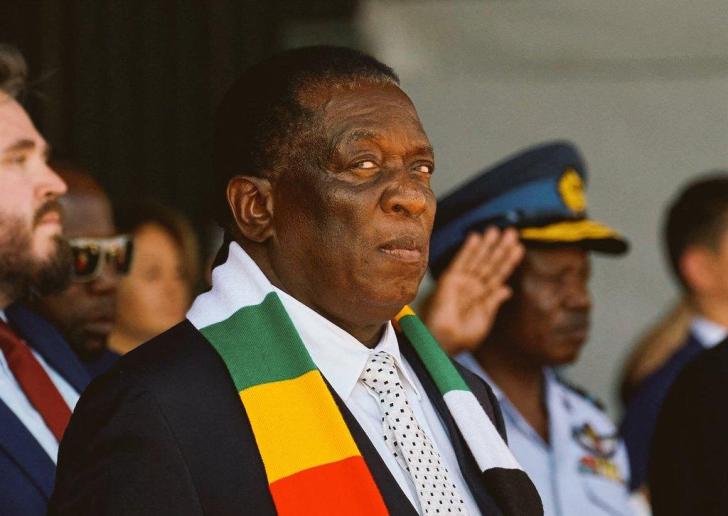
Zimbabwe's Central Intelligence Organisation (CIO) has undergone one of its most extensive senior leadership reshuffles in recent years, with the changes coming as succession politics within Zanu-PF intensify following constitutional amendments that extend President Emmerson Mnangagwa's tenure.
According to sources familiar with the developments, the reshuffle was communicated to affected officers last Tuesday and involved district intelligence officers, provincial intelligence officers, assistant directors, deputy directors and other senior officials across the country's intelligence structure.
The exercise represents the most significant restructuring undertaken by CIO Director-General Paul Chikawa since his appointment in April to replace Fulton Mangwanya.
Mangwanya succeeded Isaac Moyo in 2023 after Moyo, who had headed the intelligence agency since the 2017 military intervention that removed former President Robert Mugabe, left the position.
Mangwanya's tenure lasted about 15 months before his replacement amid heightened internal Zanu-PF tensions over efforts to extend Mnangagwa's time in office.
Sources said a number of senior officers associated with the former CIO chief were affected by the latest changes, with some reassigned to the agency's "pool," where they no longer hold defined operational responsibilities.
"Some of the affected directors, especially those who were moved to the pool, are being viewed as Mangwanya's people," one source said.
"However, the bigger picture is that it is part of moves to consolidate power following the constitutional amendments."
The reshuffle follows the enactment of Constitutional Amendment Act No. 3, which postpones Zimbabwe's next general elections until 2030 and introduces several changes to the country's constitutional framework.
Political observers say the postponement of elections has significantly altered succession dynamics within the ruling party, particularly affecting Vice President Constantino Chiwenga, who has long been viewed as a potential successor to Mnangagwa.
The intelligence reshuffle is therefore expected to attract close attention from those monitoring the balance of power within Zanu-PF.
Among those reportedly promoted is Rumbidzai Kanhukanwe, who rose from assistant director to deputy director.
Sources said the restructuring resulted in the appointment of nine new deputy directors and 23 assistant directors.
New deputy directors have reportedly been assigned to key divisions including internal intelligence, external intelligence, economic intelligence, analysis and coordination, the Government Protective Inspectorate, wellness, and investments and business development.
The changes also come against the backdrop of broader security sector restructuring undertaken by Mnangagwa since assuming office in 2017.
Over the past several years, the President has repeatedly rotated senior military commanders and intelligence officials, a strategy analysts say is designed to prevent any individual from building an independent power base within the security establishment.
Mnangagwa and Chiwenga were key allies during the 2017 military intervention that ended Mugabe's nearly four-decade rule, with Chiwenga, then commander of the Zimbabwe Defence Forces, playing a central role in the operation that brought Mnangagwa to power.
Political analysts have argued that subsequent changes within the military, particularly the removal or reassignment of commanders perceived to be close to Chiwenga, form part of a broader effort by Mnangagwa to consolidate his control over the security services.
In March 2025, Lieutenant-General Anselem Sanyatwe was retired as Commander of the Zimbabwe National Army and appointed Minister of Sport, Recreation, Arts and Culture.
His removal came days before the late war veteran Blessed Geza called for anti-government protests on March 31, 2025.
Mnangagwa later promoted Lieutenant-General Emmanuel Matatu to head the Zimbabwe Defence Forces following the retirement of General Philip Valerio Sibanda and subsequently appointed Major-General Asher Tapfumaneyi as Commander of the Zimbabwe National Army.
Both Matatu and Tapfumaneyi are widely regarded by political observers as close allies of the President.
Before his military appointment, Tapfumaneyi served as CIO co-deputy director-general and was linked to the intelligence-backed Forever Associates Zimbabwe (FAZ), which played a prominent role during the 2023 general elections.
The latest intelligence reshuffle also comes as opposition groups and civil society organisations prepare for a planned nationwide shutdown on July 31 to protest Constitutional Amendment Act No. 3 and the extension of Mnangagwa's tenure.
Political observers say the demonstrations will test both the government's response to dissent and the opposition's ability to mobilise supporters amid an increasingly restrictive political environment.
Human rights organisations have urged authorities to respect citizens' constitutional rights to peaceful assembly and freedom of expression, warning that heavy-handed responses could further heighten political tensions.
According to sources familiar with the developments, the reshuffle was communicated to affected officers last Tuesday and involved district intelligence officers, provincial intelligence officers, assistant directors, deputy directors and other senior officials across the country's intelligence structure.
The exercise represents the most significant restructuring undertaken by CIO Director-General Paul Chikawa since his appointment in April to replace Fulton Mangwanya.
Mangwanya succeeded Isaac Moyo in 2023 after Moyo, who had headed the intelligence agency since the 2017 military intervention that removed former President Robert Mugabe, left the position.
Mangwanya's tenure lasted about 15 months before his replacement amid heightened internal Zanu-PF tensions over efforts to extend Mnangagwa's time in office.
Sources said a number of senior officers associated with the former CIO chief were affected by the latest changes, with some reassigned to the agency's "pool," where they no longer hold defined operational responsibilities.
"Some of the affected directors, especially those who were moved to the pool, are being viewed as Mangwanya's people," one source said.
"However, the bigger picture is that it is part of moves to consolidate power following the constitutional amendments."
The reshuffle follows the enactment of Constitutional Amendment Act No. 3, which postpones Zimbabwe's next general elections until 2030 and introduces several changes to the country's constitutional framework.
Political observers say the postponement of elections has significantly altered succession dynamics within the ruling party, particularly affecting Vice President Constantino Chiwenga, who has long been viewed as a potential successor to Mnangagwa.
The intelligence reshuffle is therefore expected to attract close attention from those monitoring the balance of power within Zanu-PF.
Among those reportedly promoted is Rumbidzai Kanhukanwe, who rose from assistant director to deputy director.
Sources said the restructuring resulted in the appointment of nine new deputy directors and 23 assistant directors.
New deputy directors have reportedly been assigned to key divisions including internal intelligence, external intelligence, economic intelligence, analysis and coordination, the Government Protective Inspectorate, wellness, and investments and business development.
The changes also come against the backdrop of broader security sector restructuring undertaken by Mnangagwa since assuming office in 2017.
Over the past several years, the President has repeatedly rotated senior military commanders and intelligence officials, a strategy analysts say is designed to prevent any individual from building an independent power base within the security establishment.
Mnangagwa and Chiwenga were key allies during the 2017 military intervention that ended Mugabe's nearly four-decade rule, with Chiwenga, then commander of the Zimbabwe Defence Forces, playing a central role in the operation that brought Mnangagwa to power.
Political analysts have argued that subsequent changes within the military, particularly the removal or reassignment of commanders perceived to be close to Chiwenga, form part of a broader effort by Mnangagwa to consolidate his control over the security services.
In March 2025, Lieutenant-General Anselem Sanyatwe was retired as Commander of the Zimbabwe National Army and appointed Minister of Sport, Recreation, Arts and Culture.
His removal came days before the late war veteran Blessed Geza called for anti-government protests on March 31, 2025.
Mnangagwa later promoted Lieutenant-General Emmanuel Matatu to head the Zimbabwe Defence Forces following the retirement of General Philip Valerio Sibanda and subsequently appointed Major-General Asher Tapfumaneyi as Commander of the Zimbabwe National Army.
Both Matatu and Tapfumaneyi are widely regarded by political observers as close allies of the President.
Before his military appointment, Tapfumaneyi served as CIO co-deputy director-general and was linked to the intelligence-backed Forever Associates Zimbabwe (FAZ), which played a prominent role during the 2023 general elections.
The latest intelligence reshuffle also comes as opposition groups and civil society organisations prepare for a planned nationwide shutdown on July 31 to protest Constitutional Amendment Act No. 3 and the extension of Mnangagwa's tenure.
Political observers say the demonstrations will test both the government's response to dissent and the opposition's ability to mobilise supporters amid an increasingly restrictive political environment.
Human rights organisations have urged authorities to respect citizens' constitutional rights to peaceful assembly and freedom of expression, warning that heavy-handed responses could further heighten political tensions.
Source - The Standard
Join the discussion
Loading comments…





