News / National
MSU students battle baboon menace in Zvishavane
14 Jun 2026 at 11:16hrs |
0 Views
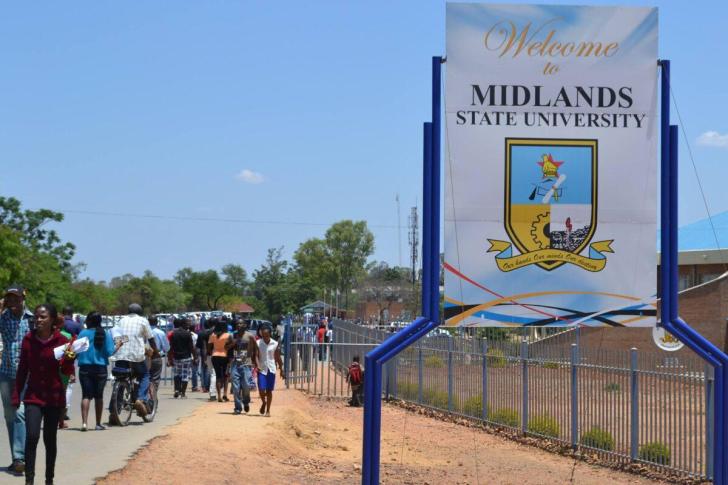
For many students arriving at the Midlands State University in Zvishavane, the biggest challenge is not passing examinations or adjusting to university life. Instead, it is learning how to coexist with increasingly aggressive troops of Chacma baboons that have turned parts of the mining town into their hunting grounds.
Driven from surrounding bushlands by recurring droughts and prolonged dry seasons that have depleted natural food sources, the primates have become a growing menace in residential suburbs and on university grounds, leaving students struggling to adapt to a reality few anticipated.
Most students enrolled at the Zvishavane campus come from urban centres such as Harare and Bulawayo, where encounters with wild animals are rare. For many, arriving in Zvishavane has brought an unexpected lesson in survival.
The baboons have become so accustomed to human activity that they now regularly invade areas on campus, including lecture blocks, corridors and recreational spaces in search of food.
Students say even the popular friendship benches, traditionally used for relaxation and social interaction between lectures, have become hotspots for encounters with the animals.
"Back home in Harare, the biggest thing you worry about on campus is passing your exams," said Tatenda, a second-year Peace Studies student.
"Here, you have to constantly look over your shoulder. I was sitting on the friendship benches eating lunch, and a massive baboon literally lunged across the table and snatched the food right out of my container. I was terrified."
The problem extends beyond the campus into nearby suburbs that accommodate large numbers of students.
Areas such as Chinda Heights, Noevale, Hillside and Birthday have become frequent targets for baboon raids, with residents reporting break-ins, theft of groceries and extensive property damage.
Many students say the animals have become increasingly bold, breaking into rooms and boarding houses in search of food.
Kudzai, a Development Studies student living in Chinda Heights, said she returned from classes recently to find her room ransacked.
"A troop had broken the glass window pane to get inside," she said.
"They tore up my notebooks, smashed my plate, and went away with an unopened 10kg bag of mealie-meal, cooking oil, and sugar."
She said the loss was devastating given the financial constraints many students face.
"As a student on a tight budget, losing that food means I'm basically starving until the month ends," she added.
Other students described similar experiences.
Tariro, who resides in Noevale, said a troop entered her accommodation after she inadvertently left a door unsecured.
"They took my entire week's worth of cooked food right out of the pot," she said.
"It's not just the stolen food; it's the sheer aggression. If you walk down the street carrying a grocery bag, they will stalk you and corner you until you drop it."
The challenge is compounded by Zvishavane's often hot and unpredictable weather.
While opening windows and doors would normally provide relief from the heat, students say doing so significantly increases the risk of baboon intrusions.
Nicole Mhlanga, an engineering student renting accommodation in Hillside, said many students are forced to endure uncomfortable living conditions to keep the animals out.
"The hostel turns into a furnace inside," she said.
"But we are forced to keep every single window shut tight and the doors locked, even when we are inside trying to study for exams."
She said poor ventilation in many student lodgings has made conditions even more difficult during heatwaves.
As frustration grows, many students are choosing to relocate.
Suburbs such as Chinda Heights and Birthday are reportedly experiencing an exodus of student tenants seeking safer accommodation in more secure neighbourhoods.
Some are moving to the recently developed Varsity Heights complex, while others are relocating to low-density suburbs such as Eastlea, where stronger fencing and improved housing designs offer greater protection from wildlife.
Cathrine Zimuto, who recently moved from Birthday to Eastlea, said the decision had transformed her quality of life.
"In Birthday, I felt like I was being hunted every time I walked home with bread," she said.
"Moving to a low-density area means paying a bit more, but my windows can finally be open, my food is safe, and I can sleep through the night without hearing animals rattling the rooftop."
The growing conflict between humans and wildlife highlights the broader environmental pressures affecting communities across Zimbabwe, where recurring droughts and habitat disruption are increasingly forcing animals into closer contact with people.
For students in Zvishavane, however, the issue is immediate and personal. As the baboon population continues to encroach on residential areas, many say that safety and peace of mind have become luxuries that come at a premium.
"For MSU students here," said Zimuto, "safety has become the ultimate luxury."
Driven from surrounding bushlands by recurring droughts and prolonged dry seasons that have depleted natural food sources, the primates have become a growing menace in residential suburbs and on university grounds, leaving students struggling to adapt to a reality few anticipated.
Most students enrolled at the Zvishavane campus come from urban centres such as Harare and Bulawayo, where encounters with wild animals are rare. For many, arriving in Zvishavane has brought an unexpected lesson in survival.
The baboons have become so accustomed to human activity that they now regularly invade areas on campus, including lecture blocks, corridors and recreational spaces in search of food.
Students say even the popular friendship benches, traditionally used for relaxation and social interaction between lectures, have become hotspots for encounters with the animals.
"Back home in Harare, the biggest thing you worry about on campus is passing your exams," said Tatenda, a second-year Peace Studies student.
"Here, you have to constantly look over your shoulder. I was sitting on the friendship benches eating lunch, and a massive baboon literally lunged across the table and snatched the food right out of my container. I was terrified."
The problem extends beyond the campus into nearby suburbs that accommodate large numbers of students.
Areas such as Chinda Heights, Noevale, Hillside and Birthday have become frequent targets for baboon raids, with residents reporting break-ins, theft of groceries and extensive property damage.
Many students say the animals have become increasingly bold, breaking into rooms and boarding houses in search of food.
Kudzai, a Development Studies student living in Chinda Heights, said she returned from classes recently to find her room ransacked.
"A troop had broken the glass window pane to get inside," she said.
"They tore up my notebooks, smashed my plate, and went away with an unopened 10kg bag of mealie-meal, cooking oil, and sugar."
She said the loss was devastating given the financial constraints many students face.
"As a student on a tight budget, losing that food means I'm basically starving until the month ends," she added.
Other students described similar experiences.
Tariro, who resides in Noevale, said a troop entered her accommodation after she inadvertently left a door unsecured.
"They took my entire week's worth of cooked food right out of the pot," she said.
"It's not just the stolen food; it's the sheer aggression. If you walk down the street carrying a grocery bag, they will stalk you and corner you until you drop it."
The challenge is compounded by Zvishavane's often hot and unpredictable weather.
While opening windows and doors would normally provide relief from the heat, students say doing so significantly increases the risk of baboon intrusions.
Nicole Mhlanga, an engineering student renting accommodation in Hillside, said many students are forced to endure uncomfortable living conditions to keep the animals out.
"The hostel turns into a furnace inside," she said.
"But we are forced to keep every single window shut tight and the doors locked, even when we are inside trying to study for exams."
She said poor ventilation in many student lodgings has made conditions even more difficult during heatwaves.
As frustration grows, many students are choosing to relocate.
Suburbs such as Chinda Heights and Birthday are reportedly experiencing an exodus of student tenants seeking safer accommodation in more secure neighbourhoods.
Some are moving to the recently developed Varsity Heights complex, while others are relocating to low-density suburbs such as Eastlea, where stronger fencing and improved housing designs offer greater protection from wildlife.
Cathrine Zimuto, who recently moved from Birthday to Eastlea, said the decision had transformed her quality of life.
"In Birthday, I felt like I was being hunted every time I walked home with bread," she said.
"Moving to a low-density area means paying a bit more, but my windows can finally be open, my food is safe, and I can sleep through the night without hearing animals rattling the rooftop."
The growing conflict between humans and wildlife highlights the broader environmental pressures affecting communities across Zimbabwe, where recurring droughts and habitat disruption are increasingly forcing animals into closer contact with people.
For students in Zvishavane, however, the issue is immediate and personal. As the baboon population continues to encroach on residential areas, many say that safety and peace of mind have become luxuries that come at a premium.
"For MSU students here," said Zimuto, "safety has become the ultimate luxury."
Source - newsday
Join the discussion
Loading comments…





