News / National
Zimbabwe repatriates 696 from SA
17 Jun 2026 at 13:32hrs |
0 Views
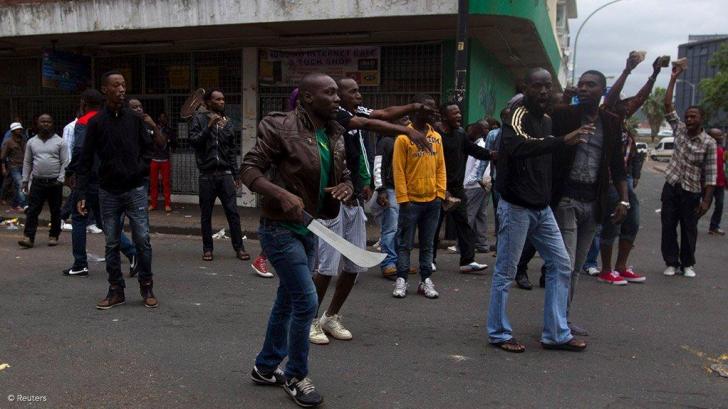
The Zimbabwean government, with support from international partners, has facilitated the return of 696 citizens from South Africa since the beginning of June as anti-immigrant tensions and xenophobic incidents continue to affect foreign nationals across parts of the country.
The assisted voluntary repatriation programme is being implemented with support from the International Organization for Migration and the United Nations Children's Fund.
Deputy Chief Secretary for Presidential Communications George Charamba confirmed the development on Tuesday, thanking development partners for their continued support.
According to figures released by authorities, 405 adults and 291 accompanied children had been repatriated by June 15. Most of those assisted were displaced from South Africa's Western Cape, KwaZulu-Natal and Gauteng provinces.
"Zimbabwe Government has facilitated the return of 600 Zimbabweans so far. Many more on the way. Many thanks to partners, including IOM and UNICEF," Charamba said in a social media post.
Most returnees have been transported through the Beitbridge Border Post using buses arranged by the government.
Zimbabwe's embassy in South Africa has deployed teams to various provinces to assist citizens affected by the unrest and provide support to those seeking to return home.
The embassy has also issued safety advisories urging Zimbabweans to avoid areas experiencing unrest, carry identification documents at all times and report threats or incidents to local authorities or diplomatic missions.
IOM Zimbabwe spokesperson Fadzai Nyamande-Pangeti said the organisation was working closely with the government and other partners to respond to the evolving situation.
She said support at Beitbridge had been expanded to include meals, transport assistance and referral services to help returnees travel safely to their final destinations across Zimbabwe.
"In line with evolving operational needs, the organisation had scaled up support at Beitbridge to include meal assistance and onward transport to inland destinations across Zimbabwe, ensuring that returnees are able to continue their journeys safely to their communities of origin," she said.
The assistance includes transportation to cities such as Harare, Gweru and Mutare, as well as access to food, water, health screening, psychosocial support and information services upon arrival.
Nyamande-Pangeti said migration movements were being driven by a range of factors and that responses needed to remain flexible as circumstances changed.
"Recent return movements, including Assisted Voluntary Return, are occurring in a dynamic and evolving context, with multiple drivers influencing migration decisions," she said.
Zimbabwe is among several African countries, including Ghana, Malawi, Mozambique and Nigeria, that have initiated voluntary repatriation programmes for citizens affected by growing anti-immigrant sentiment and unrest in South Africa.
While the exact number of displaced migrants remains unclear, humanitarian agencies and governments are continuing to monitor the situation and coordinate assistance for affected communities.
Meanwhile, South African authorities have activated the National Joint Operational and Intelligence Structure to respond to protests and incidents of violence that have reportedly left several migrants dead, injured or displaced.
Repatriation efforts are expected to continue as authorities work to assist more Zimbabweans seeking to return home.
The assisted voluntary repatriation programme is being implemented with support from the International Organization for Migration and the United Nations Children's Fund.
Deputy Chief Secretary for Presidential Communications George Charamba confirmed the development on Tuesday, thanking development partners for their continued support.
According to figures released by authorities, 405 adults and 291 accompanied children had been repatriated by June 15. Most of those assisted were displaced from South Africa's Western Cape, KwaZulu-Natal and Gauteng provinces.
"Zimbabwe Government has facilitated the return of 600 Zimbabweans so far. Many more on the way. Many thanks to partners, including IOM and UNICEF," Charamba said in a social media post.
Most returnees have been transported through the Beitbridge Border Post using buses arranged by the government.
Zimbabwe's embassy in South Africa has deployed teams to various provinces to assist citizens affected by the unrest and provide support to those seeking to return home.
The embassy has also issued safety advisories urging Zimbabweans to avoid areas experiencing unrest, carry identification documents at all times and report threats or incidents to local authorities or diplomatic missions.
IOM Zimbabwe spokesperson Fadzai Nyamande-Pangeti said the organisation was working closely with the government and other partners to respond to the evolving situation.
She said support at Beitbridge had been expanded to include meals, transport assistance and referral services to help returnees travel safely to their final destinations across Zimbabwe.
"In line with evolving operational needs, the organisation had scaled up support at Beitbridge to include meal assistance and onward transport to inland destinations across Zimbabwe, ensuring that returnees are able to continue their journeys safely to their communities of origin," she said.
The assistance includes transportation to cities such as Harare, Gweru and Mutare, as well as access to food, water, health screening, psychosocial support and information services upon arrival.
Nyamande-Pangeti said migration movements were being driven by a range of factors and that responses needed to remain flexible as circumstances changed.
"Recent return movements, including Assisted Voluntary Return, are occurring in a dynamic and evolving context, with multiple drivers influencing migration decisions," she said.
Zimbabwe is among several African countries, including Ghana, Malawi, Mozambique and Nigeria, that have initiated voluntary repatriation programmes for citizens affected by growing anti-immigrant sentiment and unrest in South Africa.
While the exact number of displaced migrants remains unclear, humanitarian agencies and governments are continuing to monitor the situation and coordinate assistance for affected communities.
Meanwhile, South African authorities have activated the National Joint Operational and Intelligence Structure to respond to protests and incidents of violence that have reportedly left several migrants dead, injured or displaced.
Repatriation efforts are expected to continue as authorities work to assist more Zimbabweans seeking to return home.
Source - The Chronicle
Join the discussion
Loading comments…



