News / National
Zimbabwe steps up repatriation of citizens amid SA unrest
22 Jun 2026 at 08:01hrs |
0 Views
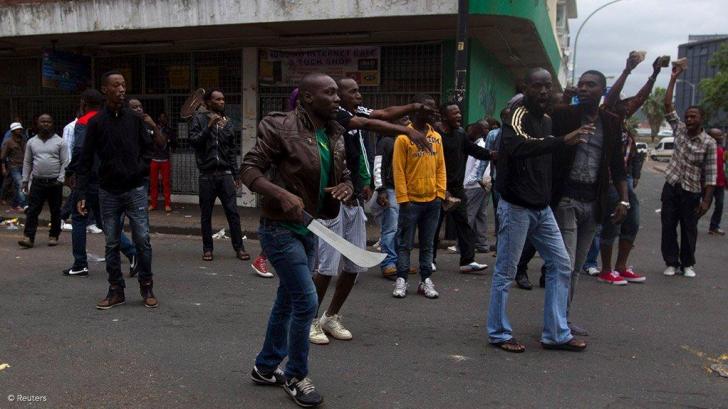
The Zimbabwean Government has intensified efforts to assist citizens displaced by a renewed wave of anti-migrant protests and vigilante attacks in South Africa, as concerns grow over the safety and welfare of foreign nationals in the neighbouring country.
Through the Department of Civil Protection under the Ministry of Local Government and Public Works, authorities are coordinating with humanitarian organisations, development partners, churches, non-governmental organisations and private sector players to facilitate the safe return of affected Zimbabweans.
The intervention comes amid escalating anti-immigrant campaigns in parts of South Africa, where pressure groups have renewed calls for foreign nationals to leave the country. Some groups have reportedly issued ultimatums demanding that migrants vacate South Africa by June 30, raising fears among immigrant communities.
South African authorities have rejected claims that foreign nationals are being ordered to leave the country, maintaining that migrants remain protected under the Constitution and international law.
Despite these assurances, the unrest has left many foreign nationals displaced. Reports indicate that some migrants are sheltering outside Department of Home Affairs offices seeking assistance, while others have fled to remote areas to escape intimidation and violence.
Videos circulating on social media have shown vigilante groups confronting suspected foreign nationals in major cities, including Cape Town, Johannesburg and Durban, demanding proof of immigration status. In some instances, individuals have reportedly been assaulted and publicly humiliated.
South African officials have condemned such actions, stressing that only authorised law enforcement officers have the legal authority to verify a person's immigration status.
In a statement issued yesterday, the Ministry of Local Government and Public Works said it was working closely with the Ministry of Foreign Affairs and International Trade to ensure that affected Zimbabweans are assisted to return home safely and with dignity.
The ministry said support being mobilised includes transportation from South Africa, temporary accommodation, food assistance and reception services for returnees.
"In addition, Government, through the Emergency Fund, is also mobilising resources to support and fund this important work stream as part of ongoing national humanitarian response efforts," the ministry said.
"To date, the ministry has engaged more than five organisations that are already supporting this important humanitarian cause.
"We remain grateful for the assistance and solidarity demonstrated thus far by our partners and stakeholders. Additional support from the private sector, humanitarian agencies, development partners, NGOs, church organisations and all well-wishers to strengthen ongoing repatriation efforts are welcome."
Government said relevant departments had already been activated at border posts to receive returnees and assist with their reintegration into communities across the country.
"The response to this escalating situation requires a whole-of-government and society approach. We would like to sincerely appreciate all organisations and individuals who continue to stand with Government in responding to humanitarian needs and national emergencies," the ministry added.
According to official figures, 696 Zimbabweans had voluntarily returned home from South Africa by June 15. The group comprised 405 adults and 291 accompanied children.
Most of the returnees were displaced from the Western Cape, KwaZulu-Natal and Gauteng provinces, where anti-migrant protests have been particularly pronounced.
The latest developments have revived memories of previous xenophobic attacks in South Africa, which over the years have resulted in loss of life, destruction of businesses and periodic diplomatic tensions between South Africa and neighbouring countries whose citizens live and work there.
In a move aimed at easing regional concerns, South African President Cyril Ramaphosa recently announced plans to dispatch special envoys across Africa and other regions to explain his government's position and engage countries affected by the unrest.
President Ramaphosa made the remarks following talks with William Ruto during the Kenyan leader's official visit to Pretoria, as South Africa seeks to reassure neighbouring states and maintain regional stability amid growing concern over the treatment of foreign nationals.
Through the Department of Civil Protection under the Ministry of Local Government and Public Works, authorities are coordinating with humanitarian organisations, development partners, churches, non-governmental organisations and private sector players to facilitate the safe return of affected Zimbabweans.
The intervention comes amid escalating anti-immigrant campaigns in parts of South Africa, where pressure groups have renewed calls for foreign nationals to leave the country. Some groups have reportedly issued ultimatums demanding that migrants vacate South Africa by June 30, raising fears among immigrant communities.
South African authorities have rejected claims that foreign nationals are being ordered to leave the country, maintaining that migrants remain protected under the Constitution and international law.
Despite these assurances, the unrest has left many foreign nationals displaced. Reports indicate that some migrants are sheltering outside Department of Home Affairs offices seeking assistance, while others have fled to remote areas to escape intimidation and violence.
Videos circulating on social media have shown vigilante groups confronting suspected foreign nationals in major cities, including Cape Town, Johannesburg and Durban, demanding proof of immigration status. In some instances, individuals have reportedly been assaulted and publicly humiliated.
South African officials have condemned such actions, stressing that only authorised law enforcement officers have the legal authority to verify a person's immigration status.
In a statement issued yesterday, the Ministry of Local Government and Public Works said it was working closely with the Ministry of Foreign Affairs and International Trade to ensure that affected Zimbabweans are assisted to return home safely and with dignity.
The ministry said support being mobilised includes transportation from South Africa, temporary accommodation, food assistance and reception services for returnees.
"In addition, Government, through the Emergency Fund, is also mobilising resources to support and fund this important work stream as part of ongoing national humanitarian response efforts," the ministry said.
"To date, the ministry has engaged more than five organisations that are already supporting this important humanitarian cause.
"We remain grateful for the assistance and solidarity demonstrated thus far by our partners and stakeholders. Additional support from the private sector, humanitarian agencies, development partners, NGOs, church organisations and all well-wishers to strengthen ongoing repatriation efforts are welcome."
Government said relevant departments had already been activated at border posts to receive returnees and assist with their reintegration into communities across the country.
"The response to this escalating situation requires a whole-of-government and society approach. We would like to sincerely appreciate all organisations and individuals who continue to stand with Government in responding to humanitarian needs and national emergencies," the ministry added.
According to official figures, 696 Zimbabweans had voluntarily returned home from South Africa by June 15. The group comprised 405 adults and 291 accompanied children.
Most of the returnees were displaced from the Western Cape, KwaZulu-Natal and Gauteng provinces, where anti-migrant protests have been particularly pronounced.
The latest developments have revived memories of previous xenophobic attacks in South Africa, which over the years have resulted in loss of life, destruction of businesses and periodic diplomatic tensions between South Africa and neighbouring countries whose citizens live and work there.
In a move aimed at easing regional concerns, South African President Cyril Ramaphosa recently announced plans to dispatch special envoys across Africa and other regions to explain his government's position and engage countries affected by the unrest.
President Ramaphosa made the remarks following talks with William Ruto during the Kenyan leader's official visit to Pretoria, as South Africa seeks to reassure neighbouring states and maintain regional stability amid growing concern over the treatment of foreign nationals.
Source - The Chronicle
Join the discussion
Loading comments…



