News / National
Funding woes stall Gukurahundi hearings
24 Jun 2026 at 18:55hrs |
0 Views
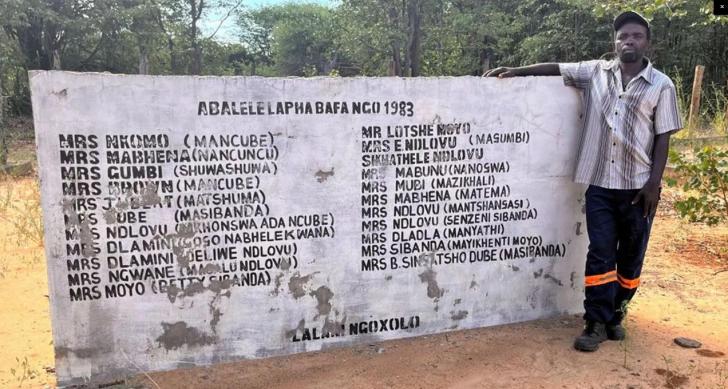
Concerns are growing in Matabeleland over delays in the next phase of the Gukurahundi community hearings, with stakeholders citing funding shortages and a lack of political commitment as major obstacles to the process.
The second phase of the hearings, which was expected to begin in June, has yet to commence following the conclusion of the initial community engagement stage in December last year.
The programme was officially launched by President Emmerson Mnangagwa in Bulawayo in July 2024, with public testimonies beginning on June 26 the same year under the leadership of traditional chiefs.
The initiative was designed to provide a platform for victims and affected communities to share their experiences of the Gukurahundi violence that occurred in Matabeleland and parts of the Midlands during the 1980s.
Stakeholders say the delay is hampering efforts to advance national healing and bring closure to a painful chapter in Zimbabwe's history.
Chief Khulumani Mathema said inadequate funding and a perceived lack of political will were slowing progress.
"There is no political will to bring closure to this emotive Gukurahundi issue because there is no budget. The perpetrators had a budget in carrying out the massacres but lack a budget for the hearings," he said.
Mathema argued that the process should not be rushed given the scale and complexity of the atrocities experienced in different communities.
"The time frame for completing the process is determined by the extent of the Gukurahundi impact. Some areas, such as Tsholotsho, experienced a larger impact, considering that people and their homes were destroyed compared to other areas like parts of Filabusi and Binga," he said.
"There is no need to hurry, there must be profiling of cases. In some instances, people were raped, tortured and killed, which will require more time to capture all that information."
He added that communities most severely affected by the violence would naturally require more time to document testimonies and identify appropriate remedies.
Survivors have also expressed reservations about the process.
Melusi Ndlovu, a victim from Tsholotsho, said many survivors remained fearful and believed more preparatory engagement was needed before the hearings commenced.
"We were supposed to be engaged before these hearings, people expected an apology from the perpetrator first," he said.
Another victim, who requested anonymity, said affected communities were looking beyond financial compensation and wanted meaningful development and equitable access to resources.
"We want equal access to our resources; we should be able to benefit from our local resources, better education and hospitals," he said.
Despite the delays, reports indicate that more than 25 000 testimonies had been recorded by February 2026 across affected communities.
The hearings are being conducted primarily through closed sessions to protect the confidentiality and dignity of survivors and their families.
Government says the process is intended to facilitate national healing, help families trace missing relatives and guide possible remedies, including reburials, the issuance of identity documents and compensation.
However, the programme has faced criticism from some civil society organisations and international observers who argue that it lacks judicial accountability and a clear legal framework for restorative justice.
Authorities have defended the decision to place traditional leaders at the centre of the process, arguing that community-led approaches provide a culturally appropriate mechanism for addressing such a sensitive issue.
Critics have also questioned the role of President Mnangagwa, who served as State Security minister during the period when the killings occurred.
Mnangagwa has previously described the hearings as "a transformative odyssey, a pilgrimage towards healing and national cohesion," rather than a process focused on reopening old wounds.
The Gukurahundi conflict remains one of Zimbabwe's most contentious historical issues. More than 20 000 people are believed to have died when the Fifth Brigade was deployed in Matabeleland and parts of the Midlands during the early years of independence, although interpretations of the causes and objectives of the operation continue to be fiercely debated.
As communities await the resumption of the hearings, many survivors and stakeholders say meaningful progress will depend on adequate resources, sustained political commitment and a process that inspires confidence among victims seeking truth, recognition and closure.
The second phase of the hearings, which was expected to begin in June, has yet to commence following the conclusion of the initial community engagement stage in December last year.
The programme was officially launched by President Emmerson Mnangagwa in Bulawayo in July 2024, with public testimonies beginning on June 26 the same year under the leadership of traditional chiefs.
The initiative was designed to provide a platform for victims and affected communities to share their experiences of the Gukurahundi violence that occurred in Matabeleland and parts of the Midlands during the 1980s.
Stakeholders say the delay is hampering efforts to advance national healing and bring closure to a painful chapter in Zimbabwe's history.
Chief Khulumani Mathema said inadequate funding and a perceived lack of political will were slowing progress.
"There is no political will to bring closure to this emotive Gukurahundi issue because there is no budget. The perpetrators had a budget in carrying out the massacres but lack a budget for the hearings," he said.
Mathema argued that the process should not be rushed given the scale and complexity of the atrocities experienced in different communities.
"The time frame for completing the process is determined by the extent of the Gukurahundi impact. Some areas, such as Tsholotsho, experienced a larger impact, considering that people and their homes were destroyed compared to other areas like parts of Filabusi and Binga," he said.
"There is no need to hurry, there must be profiling of cases. In some instances, people were raped, tortured and killed, which will require more time to capture all that information."
He added that communities most severely affected by the violence would naturally require more time to document testimonies and identify appropriate remedies.
Survivors have also expressed reservations about the process.
Melusi Ndlovu, a victim from Tsholotsho, said many survivors remained fearful and believed more preparatory engagement was needed before the hearings commenced.
"We were supposed to be engaged before these hearings, people expected an apology from the perpetrator first," he said.
Another victim, who requested anonymity, said affected communities were looking beyond financial compensation and wanted meaningful development and equitable access to resources.
"We want equal access to our resources; we should be able to benefit from our local resources, better education and hospitals," he said.
Despite the delays, reports indicate that more than 25 000 testimonies had been recorded by February 2026 across affected communities.
The hearings are being conducted primarily through closed sessions to protect the confidentiality and dignity of survivors and their families.
Government says the process is intended to facilitate national healing, help families trace missing relatives and guide possible remedies, including reburials, the issuance of identity documents and compensation.
However, the programme has faced criticism from some civil society organisations and international observers who argue that it lacks judicial accountability and a clear legal framework for restorative justice.
Authorities have defended the decision to place traditional leaders at the centre of the process, arguing that community-led approaches provide a culturally appropriate mechanism for addressing such a sensitive issue.
Critics have also questioned the role of President Mnangagwa, who served as State Security minister during the period when the killings occurred.
Mnangagwa has previously described the hearings as "a transformative odyssey, a pilgrimage towards healing and national cohesion," rather than a process focused on reopening old wounds.
The Gukurahundi conflict remains one of Zimbabwe's most contentious historical issues. More than 20 000 people are believed to have died when the Fifth Brigade was deployed in Matabeleland and parts of the Midlands during the early years of independence, although interpretations of the causes and objectives of the operation continue to be fiercely debated.
As communities await the resumption of the hearings, many survivors and stakeholders say meaningful progress will depend on adequate resources, sustained political commitment and a process that inspires confidence among victims seeking truth, recognition and closure.
Source - online
Join the discussion
Loading comments…


