News / National
Chamisa's return raises questions
25 Jun 2026 at 17:05hrs |
0 Views
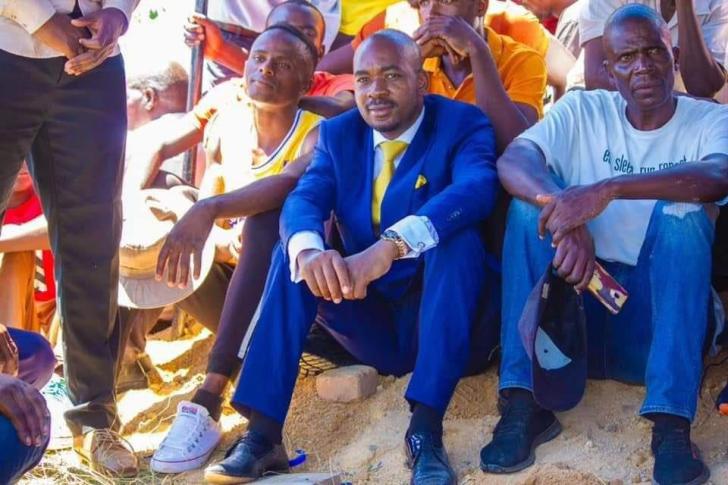
OPPOSITION politician Nelson Chamisa's latest declaration that he is preparing a political comeback has been dismissed by some analysts as a distraction at a time when Zimbabwe is grappling with the contentious Constitution Amendment No. 3 Bill (CAB 3).
The former Citizens Coalition for Change (CCC) leader on Wednesday hinted at a fresh political project, posting on X that Zimbabwe should expect "new ways, new strategies, new tactics, new voices and new faces."
"The new... new ways, new strategies, new tactics, new voices and new faces. A whole new citizens movement and a new citizens government," Chamisa wrote.
The announcement immediately sparked debate, with supporters welcoming the prospect of his return while critics questioned whether it would translate into meaningful political organisation.
Chamisa has maintained a relatively low political profile since leaving the CCC in January 2024 following a prolonged leadership dispute triggered by rival politician Sengezo Tshabangu's takeover of the party's parliamentary structures.
Since then, Chamisa has frequently used social media to hint at a new political movement without formally unveiling its structure, leadership or programme.
Critics argue that this pattern has fuelled uncertainty among opposition supporters.
Political commentator Ruben Mbofana said Chamisa's latest message resembled previous announcements that were not followed by concrete political action.
"What we are witnessing is simply a continuation of the same strategic ambiguity and endless false starts that have characterised his politics since 2023," Mbofana said.
"We are once again being promised a ground-shaking new direction, yet it remains completely devoid of actionable substance or a clear roadmap."
Mbofana questioned the timing of the announcement, noting that it came after Parliament approved Constitution Amendment No. 3 Bill in the National Assembly.
The Bill, which has generated fierce political debate, secured the required two-thirds majority in the National Assembly and has since been transmitted to the Senate for consideration.
According to Mbofana, the opposition required visible mobilisation during the parliamentary debate rather than another social media announcement.
"In this context, his return does indeed act as a massive distraction. It creates a false sense of hope that someone else is handling the crisis behind closed doors, which neutralises the organic anger of the people and stops them from organising on the ground," he said.
"When the opposition's strategy consists only of social media hashtags and cryptic promises while the regime systematically rewrites the Constitution, they cease to be a resistance and effectively become complicit in maintaining the status quo."
He added that without a clearly defined programme of action, Chamisa's periodic announcements risk becoming "a safety valve" that dissipates public pressure without producing political change.
Media analyst Rashweat Mukundu shared similar concerns, saying political messaging must ultimately be backed by organisation on the ground.
"Announcements on social media that are not accompanied by action tend to be performative and will soon fizzle out and be forgotten," Mukundu said.
"The opposition base is looking for action and impact on the ground, not another tweet."
Mukundu, however, said Chamisa remained one of Zimbabwe's best-known opposition politicians despite the weakening of his organisational structures.
"Chamisa remains a key political figure in Zimbabwe, though diminished in terms of influence and organisational capacity to be a change agent," he said.
"His comeback will make more meaning in terms of the leadership he puts in place to support him and action programmes on the ground."
Social media users also reacted swiftly to Chamisa's announcement, with responses ranging from excitement among supporters to scepticism from critics who questioned whether the latest declaration would lead to the launch of a formal political movement.
A lawyer and pastor by profession, Chamisa emerged as President Emmerson Mnangagwa's principal challenger in the 2018 and 2023 general elections.
He rose to the leadership of the opposition following the death of Morgan Tsvangirai in 2018 but later became embroiled in legal battles over control of the Movement for Democratic Change (MDC), culminating in court rulings that recognised Douglas Mwonzora as the party's legitimate leader.
At 45, Chamisa represents a younger generation of politicians in a country where more than 60% of the population is under the age of 25. Many young Zimbabweans continue to cite unemployment, limited economic opportunities and governance concerns as among the country's most pressing challenges.
Whether Chamisa's latest announcement signals the launch of a structured political movement or proves to be another period of strategic ambiguity remains to be seen.
The former Citizens Coalition for Change (CCC) leader on Wednesday hinted at a fresh political project, posting on X that Zimbabwe should expect "new ways, new strategies, new tactics, new voices and new faces."
"The new... new ways, new strategies, new tactics, new voices and new faces. A whole new citizens movement and a new citizens government," Chamisa wrote.
The announcement immediately sparked debate, with supporters welcoming the prospect of his return while critics questioned whether it would translate into meaningful political organisation.
Chamisa has maintained a relatively low political profile since leaving the CCC in January 2024 following a prolonged leadership dispute triggered by rival politician Sengezo Tshabangu's takeover of the party's parliamentary structures.
Since then, Chamisa has frequently used social media to hint at a new political movement without formally unveiling its structure, leadership or programme.
Critics argue that this pattern has fuelled uncertainty among opposition supporters.
Political commentator Ruben Mbofana said Chamisa's latest message resembled previous announcements that were not followed by concrete political action.
"What we are witnessing is simply a continuation of the same strategic ambiguity and endless false starts that have characterised his politics since 2023," Mbofana said.
"We are once again being promised a ground-shaking new direction, yet it remains completely devoid of actionable substance or a clear roadmap."
Mbofana questioned the timing of the announcement, noting that it came after Parliament approved Constitution Amendment No. 3 Bill in the National Assembly.
The Bill, which has generated fierce political debate, secured the required two-thirds majority in the National Assembly and has since been transmitted to the Senate for consideration.
According to Mbofana, the opposition required visible mobilisation during the parliamentary debate rather than another social media announcement.
"When the opposition's strategy consists only of social media hashtags and cryptic promises while the regime systematically rewrites the Constitution, they cease to be a resistance and effectively become complicit in maintaining the status quo."
He added that without a clearly defined programme of action, Chamisa's periodic announcements risk becoming "a safety valve" that dissipates public pressure without producing political change.
Media analyst Rashweat Mukundu shared similar concerns, saying political messaging must ultimately be backed by organisation on the ground.
"Announcements on social media that are not accompanied by action tend to be performative and will soon fizzle out and be forgotten," Mukundu said.
"The opposition base is looking for action and impact on the ground, not another tweet."
Mukundu, however, said Chamisa remained one of Zimbabwe's best-known opposition politicians despite the weakening of his organisational structures.
"Chamisa remains a key political figure in Zimbabwe, though diminished in terms of influence and organisational capacity to be a change agent," he said.
"His comeback will make more meaning in terms of the leadership he puts in place to support him and action programmes on the ground."
Social media users also reacted swiftly to Chamisa's announcement, with responses ranging from excitement among supporters to scepticism from critics who questioned whether the latest declaration would lead to the launch of a formal political movement.
A lawyer and pastor by profession, Chamisa emerged as President Emmerson Mnangagwa's principal challenger in the 2018 and 2023 general elections.
He rose to the leadership of the opposition following the death of Morgan Tsvangirai in 2018 but later became embroiled in legal battles over control of the Movement for Democratic Change (MDC), culminating in court rulings that recognised Douglas Mwonzora as the party's legitimate leader.
At 45, Chamisa represents a younger generation of politicians in a country where more than 60% of the population is under the age of 25. Many young Zimbabweans continue to cite unemployment, limited economic opportunities and governance concerns as among the country's most pressing challenges.
Whether Chamisa's latest announcement signals the launch of a structured political movement or proves to be another period of strategic ambiguity remains to be seen.
Source - NewsDay
Join the discussion
Loading comments…





