News / National
Ramaphosa halts ANC Phala Phala court intervention
28 Jun 2026 at 16:30hrs |
0 Views
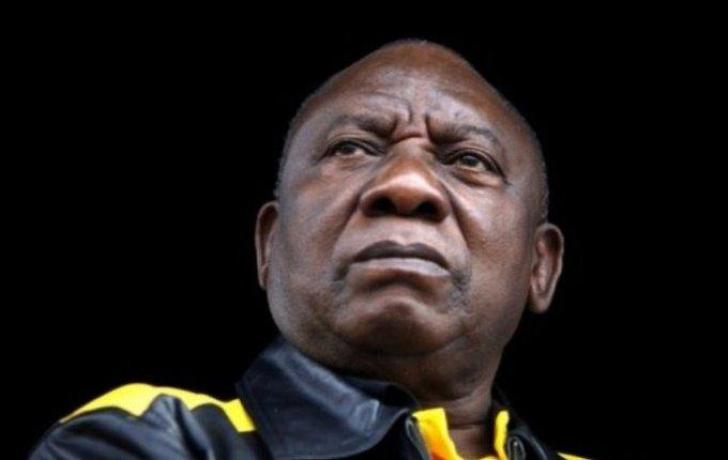
PRESIDENT Cyril Ramaphosa reportedly instructed the African National Congress (ANC) to withdraw its application to intervene in his court challenge against Parliament's impeachment process after concluding that the party had adopted the wrong legal strategy, exposing divisions within the governing party over how to handle the long-running Phala Phala matter.
According to The Sunday Times, multiple senior ANC insiders said Ramaphosa was dissatisfied after learning that the party had filed an urgent application to intervene in his bid to halt Parliament's impeachment committee instead of seeking participation in the broader judicial review proceedings.
The intervention reportedly followed a heated National Working Committee (NWC) meeting this week, during which some of Ramaphosa's political allies questioned whether the ANC should continue defending him over the Phala Phala controversy.
Sources said ANC Secretary-General Fikile Mbalula briefed Ramaphosa after the NWC resolved that the party would intervene in the urgent court application.
However, instead of endorsing the decision, the President reportedly instructed that the application be withdrawn immediately.
"The president felt the ANC had approached the matter incorrectly," one senior party insider was quoted as saying.
"He believed the party should have applied to participate in the review proceedings during the window period, where it could have assisted the court on broader constitutional questions. Once that opportunity passed, he felt the ANC had missed its chance to help him."
Another source said Ramaphosa believed the ANC had failed to intervene at the appropriate stage of the litigation.
"He believed the ANC bears responsibility for the circumstances that have led to this litigation because of the decisions it previously took in Parliament. The feeling was that the party had missed the opportunity to make that case properly," the source said.
The ANC filed its intervention application on June 19 before withdrawing it a few days later.
Addressing the issue publicly, Mbalula dismissed suggestions that the withdrawal reflected political divisions within the party.
"The explanation is straightforward and procedural," he said.
Mbalula explained that a court case management directive issued on June 18 required parties represented in Parliament wishing to intervene to file papers by June 19, giving the ANC less than 24 hours to act.
"To preserve our position within the court's timeline, while our posture was still being settled on the advice of senior counsel, a protective notice was filed in the ordinary way," he said.
He added that the ANC later resolved that, should it participate in the proceedings, it would do so only as a friend of the court, limiting its submissions to constitutional and procedural questions rather than taking a position on the merits of Ramaphosa's case.
"The earlier notice had served its purpose and was therefore withdrawn," Mbalula said.
He maintained that there was "nothing untoward" about the decision and said the ANC still reserved the right to seek admission as a friend of the court at a later stage.
Behind the scenes, however, insiders described a sharply divided NWC meeting.
According to several participants, Deputy Communications Minister Mondli Gungubele led calls for the ANC to distance itself from Ramaphosa's legal battle.
Gungubele, who was among Ramaphosa's key supporters during his successful ANC leadership campaigns in 2017 and 2022, reportedly argued that the Phala Phala matter was a personal legal issue.
"He was saying these are the president's personal issues," one NWC member was quoted as saying.
"His view was that the ANC should neither defend nor attack him. The party should simply stay out of it."
Another participant described an emotionally charged exchange.
"Mondli became extremely emotional. He stood up several times, paced around the room and became visibly angry. At one point he asked why the ANC was supporting the president and why the organisation should be dragged into his personal problems," the source said.
Several insiders reportedly left the meeting believing relations between Gungubele and Ramaphosa had deteriorated.
Former Deputy Minister Zizi Kodwa was also said to have favoured a neutral approach, while Acting ANC spokesperson Nonceba Mhlauli, portfolio committee chairperson Khusela Diko and ANC policy head Febe Potgieter-Gqubule reportedly raised concerns about the political implications of the party becoming directly involved.
Potgieter-Gqubule later said members had ultimately accepted the collective position communicated by the secretary-general.
"The secretary-general of the ANC presented the decision of the NWC that you refer to on Thursday. That is the decision that we commit to. Like any democratic organisation, there are discussions, after which a collective decision is taken, as communicated by our SG," she said.
Others within the ANC argued strongly that the party should support Ramaphosa.
Mbalula, National Chairperson Gwede Mantashe, Second Deputy Secretary-General Maropene Ramokgopa, Treasurer-General Gwen Ramokgopa and International Relations Minister Ronald Lamola reportedly argued that abandoning the President would undermine previous ANC decisions in Parliament.
"We argued that this is not only about the president," one senior leader was quoted as saying.
"It is also about defending decisions the ANC itself has taken."
According to participants, Mantashe eventually intervened after the debate became increasingly heated.
Although Ramaphosa's supporters appeared to prevail during the meeting, the President's reported decision to withdraw the ANC's intervention application ultimately rendered the debate academic.
Political observers say the episode has exposed growing unease within sections of the ANC leadership over whether the governing party should continue linking its political fortunes to Ramaphosa's legal challenges.
While the ANC has publicly projected unity, insiders say the debate revealed that support for the President within the party's top leadership is no longer as unanimous as it once appeared.
According to The Sunday Times, multiple senior ANC insiders said Ramaphosa was dissatisfied after learning that the party had filed an urgent application to intervene in his bid to halt Parliament's impeachment committee instead of seeking participation in the broader judicial review proceedings.
The intervention reportedly followed a heated National Working Committee (NWC) meeting this week, during which some of Ramaphosa's political allies questioned whether the ANC should continue defending him over the Phala Phala controversy.
Sources said ANC Secretary-General Fikile Mbalula briefed Ramaphosa after the NWC resolved that the party would intervene in the urgent court application.
However, instead of endorsing the decision, the President reportedly instructed that the application be withdrawn immediately.
"The president felt the ANC had approached the matter incorrectly," one senior party insider was quoted as saying.
"He believed the party should have applied to participate in the review proceedings during the window period, where it could have assisted the court on broader constitutional questions. Once that opportunity passed, he felt the ANC had missed its chance to help him."
Another source said Ramaphosa believed the ANC had failed to intervene at the appropriate stage of the litigation.
"He believed the ANC bears responsibility for the circumstances that have led to this litigation because of the decisions it previously took in Parliament. The feeling was that the party had missed the opportunity to make that case properly," the source said.
The ANC filed its intervention application on June 19 before withdrawing it a few days later.
Addressing the issue publicly, Mbalula dismissed suggestions that the withdrawal reflected political divisions within the party.
"The explanation is straightforward and procedural," he said.
Mbalula explained that a court case management directive issued on June 18 required parties represented in Parliament wishing to intervene to file papers by June 19, giving the ANC less than 24 hours to act.
"To preserve our position within the court's timeline, while our posture was still being settled on the advice of senior counsel, a protective notice was filed in the ordinary way," he said.
He added that the ANC later resolved that, should it participate in the proceedings, it would do so only as a friend of the court, limiting its submissions to constitutional and procedural questions rather than taking a position on the merits of Ramaphosa's case.
"The earlier notice had served its purpose and was therefore withdrawn," Mbalula said.
He maintained that there was "nothing untoward" about the decision and said the ANC still reserved the right to seek admission as a friend of the court at a later stage.
Behind the scenes, however, insiders described a sharply divided NWC meeting.
According to several participants, Deputy Communications Minister Mondli Gungubele led calls for the ANC to distance itself from Ramaphosa's legal battle.
Gungubele, who was among Ramaphosa's key supporters during his successful ANC leadership campaigns in 2017 and 2022, reportedly argued that the Phala Phala matter was a personal legal issue.
"He was saying these are the president's personal issues," one NWC member was quoted as saying.
"His view was that the ANC should neither defend nor attack him. The party should simply stay out of it."
Another participant described an emotionally charged exchange.
"Mondli became extremely emotional. He stood up several times, paced around the room and became visibly angry. At one point he asked why the ANC was supporting the president and why the organisation should be dragged into his personal problems," the source said.
Several insiders reportedly left the meeting believing relations between Gungubele and Ramaphosa had deteriorated.
Former Deputy Minister Zizi Kodwa was also said to have favoured a neutral approach, while Acting ANC spokesperson Nonceba Mhlauli, portfolio committee chairperson Khusela Diko and ANC policy head Febe Potgieter-Gqubule reportedly raised concerns about the political implications of the party becoming directly involved.
Potgieter-Gqubule later said members had ultimately accepted the collective position communicated by the secretary-general.
"The secretary-general of the ANC presented the decision of the NWC that you refer to on Thursday. That is the decision that we commit to. Like any democratic organisation, there are discussions, after which a collective decision is taken, as communicated by our SG," she said.
Others within the ANC argued strongly that the party should support Ramaphosa.
Mbalula, National Chairperson Gwede Mantashe, Second Deputy Secretary-General Maropene Ramokgopa, Treasurer-General Gwen Ramokgopa and International Relations Minister Ronald Lamola reportedly argued that abandoning the President would undermine previous ANC decisions in Parliament.
"We argued that this is not only about the president," one senior leader was quoted as saying.
"It is also about defending decisions the ANC itself has taken."
According to participants, Mantashe eventually intervened after the debate became increasingly heated.
Although Ramaphosa's supporters appeared to prevail during the meeting, the President's reported decision to withdraw the ANC's intervention application ultimately rendered the debate academic.
Political observers say the episode has exposed growing unease within sections of the ANC leadership over whether the governing party should continue linking its political fortunes to Ramaphosa's legal challenges.
While the ANC has publicly projected unity, insiders say the debate revealed that support for the President within the party's top leadership is no longer as unanimous as it once appeared.
Source - The Sunday Times
Join the discussion
Loading comments…





