News / National
South African protesters go door-to-door forcing immigrants from their homes
12 Jul 2026 at 15:05hrs |
0 Views
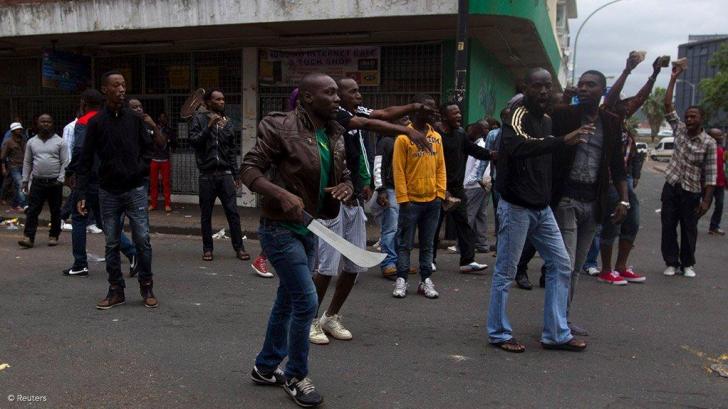
Groups of anti-immigration protesters in South Africa have intensified their campaign against foreign nationals by conducting door-to-door raids in parts of Johannesburg, escalating tensions and prompting renewed concern over the safety of migrants from neighbouring countries.
On Thursday, protesters in Alexandra township were seen entering homes where they suspected undocumented migrants were living before escorting some occupants to waiting police vehicles. Among those taken away were a Malawian woman and her young child, while at least one Zimbabwean man told journalists he was legally in the country under the Zimbabwe Exemption Permit (ZEP).
"I am a ZEP holder," Zimbabwean national Total Mhlanga said after being apprehended by protesters, referring to the permit that allows thousands of Zimbabweans to live and work legally in South Africa.
Similar anti-immigrant marches took place in Soweto and Durban, with protesters carrying sticks and flags while searching for undocumented migrants. Organisers had advertised the demonstrations as "peaceful marches" followed by door-to-door operations.
The protests follow a surge in anti-immigrant sentiment that culminated in nationwide demonstrations on June 30, an informal deadline set by campaigners demanding that undocumented migrants leave South Africa. The movement has vowed to continue holding protests every Thursday until its demands are met.
March and March, the organisation leading the campaign under former radio presenter Jacinta Ngobese-Zuma, argues that undocumented migration contributes to unemployment, crime and pressure on public services. The group is calling for tighter border controls, mass deportations and priority access to schools and healthcare for South African citizens.
"We are walking around doing door-to-door removing foreigners," community leader Bongani Msomi said during the Alexandra march.
President Cyril Ramaphosa has repeatedly condemned vigilante action and warned that immigration enforcement remains the responsibility of the state.
The South African government has urged citizens not to take the law into their own hands, while police have increased operations targeting undocumented migrants and deployed officers to monitor demonstrations.
The unrest has also strained diplomatic relations within the region and triggered large-scale voluntary returns.
Malawi said more than 38,000 of its citizens had returned home in recent weeks because of safety concerns, while more than 60,000 Zimbabweans have also gone back to Zimbabwe amid fears arising from the protests.
The continued demonstrations have raised concerns among governments and human rights organisations about the safety of foreign nationals living in South Africa, even as authorities maintain that immigration laws should be enforced through lawful processes rather than by civilian groups.
On Thursday, protesters in Alexandra township were seen entering homes where they suspected undocumented migrants were living before escorting some occupants to waiting police vehicles. Among those taken away were a Malawian woman and her young child, while at least one Zimbabwean man told journalists he was legally in the country under the Zimbabwe Exemption Permit (ZEP).
"I am a ZEP holder," Zimbabwean national Total Mhlanga said after being apprehended by protesters, referring to the permit that allows thousands of Zimbabweans to live and work legally in South Africa.
Similar anti-immigrant marches took place in Soweto and Durban, with protesters carrying sticks and flags while searching for undocumented migrants. Organisers had advertised the demonstrations as "peaceful marches" followed by door-to-door operations.
The protests follow a surge in anti-immigrant sentiment that culminated in nationwide demonstrations on June 30, an informal deadline set by campaigners demanding that undocumented migrants leave South Africa. The movement has vowed to continue holding protests every Thursday until its demands are met.
March and March, the organisation leading the campaign under former radio presenter Jacinta Ngobese-Zuma, argues that undocumented migration contributes to unemployment, crime and pressure on public services. The group is calling for tighter border controls, mass deportations and priority access to schools and healthcare for South African citizens.
"We are walking around doing door-to-door removing foreigners," community leader Bongani Msomi said during the Alexandra march.
President Cyril Ramaphosa has repeatedly condemned vigilante action and warned that immigration enforcement remains the responsibility of the state.
The South African government has urged citizens not to take the law into their own hands, while police have increased operations targeting undocumented migrants and deployed officers to monitor demonstrations.
The unrest has also strained diplomatic relations within the region and triggered large-scale voluntary returns.
Malawi said more than 38,000 of its citizens had returned home in recent weeks because of safety concerns, while more than 60,000 Zimbabweans have also gone back to Zimbabwe amid fears arising from the protests.
The continued demonstrations have raised concerns among governments and human rights organisations about the safety of foreign nationals living in South Africa, even as authorities maintain that immigration laws should be enforced through lawful processes rather than by civilian groups.
Source - Reuters
Join the discussion
Loading comments…


