News / National
Citigroup says Zimbabwe economy turning corner
26 Aug 2026 at 09:48hrs |
0 Views
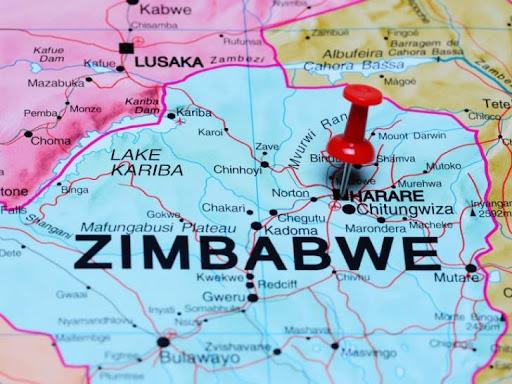
Global banking giant Citigroup says Zimbabwe's economic turnaround is gaining momentum, with inflation, fiscal pressures and monetary instability showing significant improvement after years of severe economic turbulence.
Citi Chief Africa Economist David Cowan said perceptions of Zimbabwe could now be lagging behind the country's changing economic fundamentals.
Zimbabwe recorded average annual inflation of about 736 percent in 2024, but Citi expects inflation to fall to around 8 percent in 2026.
Inflation has averaged about 4 percent so far this year and fell to 2.9 percent in August, according to the bank.
Citi also expects Zimbabwe's cash fiscal position to move into balance, a significant improvement from a deficit equivalent to 6.7 percent of gross domestic product recorded in 2023.
The bank attributed the improvement to several factors, including strong gold prices, expansion of the lithium sector and the introduction and stabilisation of the Zimbabwe Gold (ZiG) currency.
Citi also pointed to the Government's decision to end monetary financing of the budget and strengthen fiscal discipline, with these measures reinforced by Zimbabwe's International Monetary Fund Staff-Monitored Programme.
The developments represent a significant shift from Zimbabwe's recent economic history, which has been characterised by high inflation, currency instability and persistent fiscal imbalances.
However, Citi cautioned that significant structural challenges remain.
The country continues to carry a debt burden estimated at US$21.3 billion, while high levels of dollarisation, foreign-currency shortages and activity on the parallel foreign-exchange market continue to constrain the economy.
Despite these challenges, Cowan suggested that Zimbabwe's longstanding reputation for economic instability could itself be becoming an obstacle to attracting investment, as international perceptions may not yet reflect the pace of recent macroeconomic improvements.
The bank's assessment suggests that Zimbabwe could be entering a more stable phase, although sustaining the gains will depend on maintaining fiscal discipline, monetary stability and progress in addressing the country's debt and foreign-currency challenges.
For investors, Citi's analysis points to a widening gap between Zimbabwe's historical economic image and its current macroeconomic performance, potentially creating opportunities if the recent improvements prove durable.
Citi Chief Africa Economist David Cowan said perceptions of Zimbabwe could now be lagging behind the country's changing economic fundamentals.
Zimbabwe recorded average annual inflation of about 736 percent in 2024, but Citi expects inflation to fall to around 8 percent in 2026.
Inflation has averaged about 4 percent so far this year and fell to 2.9 percent in August, according to the bank.
Citi also expects Zimbabwe's cash fiscal position to move into balance, a significant improvement from a deficit equivalent to 6.7 percent of gross domestic product recorded in 2023.
The bank attributed the improvement to several factors, including strong gold prices, expansion of the lithium sector and the introduction and stabilisation of the Zimbabwe Gold (ZiG) currency.
Citi also pointed to the Government's decision to end monetary financing of the budget and strengthen fiscal discipline, with these measures reinforced by Zimbabwe's International Monetary Fund Staff-Monitored Programme.
The developments represent a significant shift from Zimbabwe's recent economic history, which has been characterised by high inflation, currency instability and persistent fiscal imbalances.
However, Citi cautioned that significant structural challenges remain.
The country continues to carry a debt burden estimated at US$21.3 billion, while high levels of dollarisation, foreign-currency shortages and activity on the parallel foreign-exchange market continue to constrain the economy.
Despite these challenges, Cowan suggested that Zimbabwe's longstanding reputation for economic instability could itself be becoming an obstacle to attracting investment, as international perceptions may not yet reflect the pace of recent macroeconomic improvements.
The bank's assessment suggests that Zimbabwe could be entering a more stable phase, although sustaining the gains will depend on maintaining fiscal discipline, monetary stability and progress in addressing the country's debt and foreign-currency challenges.
For investors, Citi's analysis points to a widening gap between Zimbabwe's historical economic image and its current macroeconomic performance, potentially creating opportunities if the recent improvements prove durable.
Source - online
Join the discussion
Loading comments…





