News / National
Zimbabwe set for bumper wheat harvest
01 Nov 2026 at 18:21hrs |
562 Views
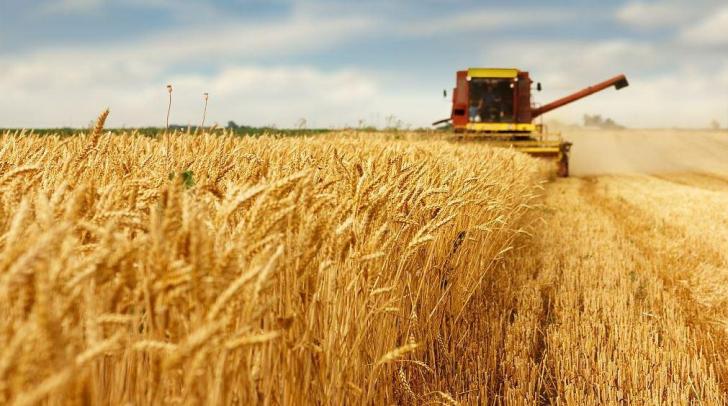
Zimbabwe is poised to harvest at least 600,000 tonnes of wheat this season after farmers delivered nearly 570,000 tonnes from 83 percent of the planted area, raising expectations of another bumper harvest as the country strengthens its food security.
The Government has urged farmers to accelerate harvesting operations and complete the exercise by Friday, November 6, ahead of anticipated rains that could damage crops and compromise grain quality.
Agriculture, Mechanisation and Water Resources Development Permanent Secretary Professor Obert Jiri said farmers had harvested 108,569 hectares out of the 130,316 hectares planted during the 2026 winter cropping season.
The harvested area has so far produced an estimated 568,581 tonnes, with an average national yield of 5.2 tonnes per hectare.
Zimbabwe exceeded its initial winter wheat planting target of 125,000 hectares by 5,316 hectares, reflecting increased production capacity and continued investment in irrigated agriculture.
"So, as of yesterday, we had harvested 108,000 hectares of the 130,000 hectares that we grew. And out of that 108,000 hectares, we had harvested almost 570,000 metric tonnes," Prof Jiri said.
"We hope that by the end of this coming week, we will be finished. We hope to reach at least 600,000 metric tonnes when we do the harvesting."
With approximately 21,747 hectares still awaiting harvesting, authorities have deployed 482 combine harvesters across the country.
The machines are collectively harvesting an estimated 14,000 hectares daily, raising hopes that the remaining crop will be collected before the onset of significant rainfall.
Mashonaland West leads in wheat production, having harvested 163,918 tonnes from 26,610 hectares, with an impressive average yield of 6.2 tonnes per hectare.
Mashonaland Central follows with 140,579 tonnes from 23,827 hectares, representing 94 percent of its planted area.
Mashonaland East has produced 104,070 tonnes, while the Midlands has recorded 61,051 tonnes.
Manicaland has harvested 44,400 tonnes, with Matabeleland South contributing 25,740 tonnes, Masvingo 15,098 tonnes and Matabeleland North 13,726 tonnes.
Matabeleland South has recorded particularly strong yields, averaging six tonnes per hectare, with provincial Agricultural and Rural Development Advisory Services director Shupikai Sibanda expressing satisfaction with progress.
"Currently we are at 98 percent and most of the wheat on bigger hectares is now done and now harvested. We are just left with a few pockets that we need to harvest," she said.
"Our yields are looking good, averaging around six tonnes per hectare and we are happy with what we have harvested so far."
In Matabeleland North, provincial Agricultural and Rural Development Advisory Services director Sibangilizwe Dlodlo said harvesting was nearing completion, with most districts expected to finish by November 6.
However, farmers in Umguza are expected to require an additional week.
Prof Jiri said Mashonaland West and Mashonaland East had the largest outstanding harvesting areas, but prevailing dry weather conditions were expected to support harvesting operations.
Farmers have been encouraged to expedite harvesting, threshing, transportation and storage to minimise losses and ensure that grain reaches designated collection points in good condition.
The anticipated bumper harvest comes as Zimbabwe seeks to consolidate its wheat self-sufficiency while responding to rising demand from the country's expanding milling and food-processing industries.
According to Prof Jiri, national industrial wheat requirements have increased significantly over the past three years, rising from less than 360,000 tonnes to more than 552,000 tonnes annually.
He attributed the growth to population increases, changing consumption patterns and expansion in food-processing capacity.
Despite producing enough wheat to meet overall domestic requirements, Zimbabwe continues importing specialised varieties, particularly hard wheat used by millers for blending and other industrial purposes.
Prof Jiri explained that these imports remain necessary because certain processing operations require wheat with specific quality characteristics that are not yet sufficiently available locally.
The Government is therefore seeking to increase production while encouraging the cultivation of wheat varieties that meet the requirements of domestic processors.
"We are now wheat self-sufficient and we are proud of that fact. We will continue to ensure that in terms of wheat, we continue to be self-sufficient and to produce enough for ourselves and hopefully for export as well," Prof Jiri said.
The projected 600,000-tonne harvest would exceed the country's current estimated industrial requirement of 552,000 tonnes, potentially creating a surplus of approximately 48,000 tonnes, although specialised imports will remain necessary.
Authorities believe sustained investment in irrigation, mechanisation and improved seed varieties will be critical to maintaining wheat self-sufficiency and positioning Zimbabwe as a potential exporter of the crop.
The Government has urged farmers to accelerate harvesting operations and complete the exercise by Friday, November 6, ahead of anticipated rains that could damage crops and compromise grain quality.
Agriculture, Mechanisation and Water Resources Development Permanent Secretary Professor Obert Jiri said farmers had harvested 108,569 hectares out of the 130,316 hectares planted during the 2026 winter cropping season.
The harvested area has so far produced an estimated 568,581 tonnes, with an average national yield of 5.2 tonnes per hectare.
Zimbabwe exceeded its initial winter wheat planting target of 125,000 hectares by 5,316 hectares, reflecting increased production capacity and continued investment in irrigated agriculture.
"So, as of yesterday, we had harvested 108,000 hectares of the 130,000 hectares that we grew. And out of that 108,000 hectares, we had harvested almost 570,000 metric tonnes," Prof Jiri said.
"We hope that by the end of this coming week, we will be finished. We hope to reach at least 600,000 metric tonnes when we do the harvesting."
With approximately 21,747 hectares still awaiting harvesting, authorities have deployed 482 combine harvesters across the country.
The machines are collectively harvesting an estimated 14,000 hectares daily, raising hopes that the remaining crop will be collected before the onset of significant rainfall.
Mashonaland West leads in wheat production, having harvested 163,918 tonnes from 26,610 hectares, with an impressive average yield of 6.2 tonnes per hectare.
Mashonaland Central follows with 140,579 tonnes from 23,827 hectares, representing 94 percent of its planted area.
Mashonaland East has produced 104,070 tonnes, while the Midlands has recorded 61,051 tonnes.
Manicaland has harvested 44,400 tonnes, with Matabeleland South contributing 25,740 tonnes, Masvingo 15,098 tonnes and Matabeleland North 13,726 tonnes.
Matabeleland South has recorded particularly strong yields, averaging six tonnes per hectare, with provincial Agricultural and Rural Development Advisory Services director Shupikai Sibanda expressing satisfaction with progress.
"Our yields are looking good, averaging around six tonnes per hectare and we are happy with what we have harvested so far."
In Matabeleland North, provincial Agricultural and Rural Development Advisory Services director Sibangilizwe Dlodlo said harvesting was nearing completion, with most districts expected to finish by November 6.
However, farmers in Umguza are expected to require an additional week.
Prof Jiri said Mashonaland West and Mashonaland East had the largest outstanding harvesting areas, but prevailing dry weather conditions were expected to support harvesting operations.
Farmers have been encouraged to expedite harvesting, threshing, transportation and storage to minimise losses and ensure that grain reaches designated collection points in good condition.
The anticipated bumper harvest comes as Zimbabwe seeks to consolidate its wheat self-sufficiency while responding to rising demand from the country's expanding milling and food-processing industries.
According to Prof Jiri, national industrial wheat requirements have increased significantly over the past three years, rising from less than 360,000 tonnes to more than 552,000 tonnes annually.
He attributed the growth to population increases, changing consumption patterns and expansion in food-processing capacity.
Despite producing enough wheat to meet overall domestic requirements, Zimbabwe continues importing specialised varieties, particularly hard wheat used by millers for blending and other industrial purposes.
Prof Jiri explained that these imports remain necessary because certain processing operations require wheat with specific quality characteristics that are not yet sufficiently available locally.
The Government is therefore seeking to increase production while encouraging the cultivation of wheat varieties that meet the requirements of domestic processors.
"We are now wheat self-sufficient and we are proud of that fact. We will continue to ensure that in terms of wheat, we continue to be self-sufficient and to produce enough for ourselves and hopefully for export as well," Prof Jiri said.
The projected 600,000-tonne harvest would exceed the country's current estimated industrial requirement of 552,000 tonnes, potentially creating a surplus of approximately 48,000 tonnes, although specialised imports will remain necessary.
Authorities believe sustained investment in irrigation, mechanisation and improved seed varieties will be critical to maintaining wheat self-sufficiency and positioning Zimbabwe as a potential exporter of the crop.
Source - Sunday News
Join the discussion
Loading comments…