Sports / Other
10 eSports to track on 1xBet this season
17 Nov 2025 at 20:11hrs |
929 Views
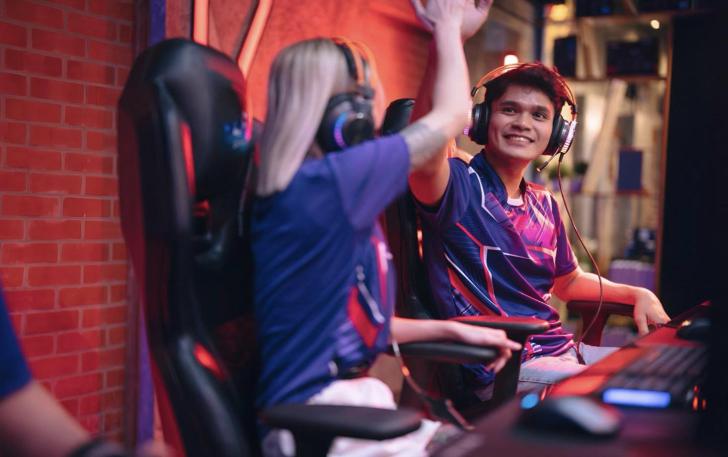
Season planning works best before the first draft, not mid-series. On platforms like 1xBet Cambodia, these ten titles stand out as major esports to follow, with key moments such as LoL splits and Worlds weeks, CS2 Majors, VALORANT Champions, and MLBB mid-season and world championships. These events draw deep markets and consistent reporting, which is exactly what disciplined tracking needs.
League of Legends (LoL)
Stable structure, deep data, and global tentpoles make LoL a strong first stop. Regular splits feed into massive international events, and the pre-series draft offers a clean window to prepare. Track side selection, objective control after ten minutes, and map pool comfort by team. Totals on maps and handicap lines often move on lineup news and side assignment. Keep notes precise: five lines per team covering draft tendencies, early objective rates, and average game time. That page becomes your pre-match checklist.
Mobile Legends: Bang Bang (MLBB)
Big mobile eSports tournaments. They will not surprise anyone now. They draw huge crowds and are held regularly. And to better predict their results, movies highlighting top moments won't teach you much. If we take MLBB, win rates by role, ban priority tables, and heroes used will serve you better. The series tempo swings with early objective control and how quickly teams turn a lead into base pressure. Watch hero pools by patch and the timeline after the first turtle. Some teams stall near tier-two towers and trade picks for farm, while some squads snowball from early skirmishes. And the course of the game, its results change in real time depending on all of the above.
Counter-Strike 2 (CS2)
Economy flow and map pool knowledge decide most reads. Track pistol rounds, force buys, and conversion rates from 5v4 openings. Map veto patterns create value before a shot is fired, especially when a favorite must start on an uncomfortable side. Live, the first two rifle rounds set the half's rhythm. Price swings can overshoot after a surprise eco win. Prepare a single line per map for each team: preferred starts, CT/T splits, and late-round clutch trends. Enter the match with that card and your live decisions slow down in a good way.
VALORANT

Round-based tactics with visible utility economies reward disciplined pre-work. Track agent picks on specific maps, entry success by site, and post-plant conversion. Some rosters thrive on mid-series swaps supported by crisp timeouts. Others stick to a plan even when the meta shifts. Momentum feels loud yet turns fragile after a thrifty round or a won bonus. Carry a two-column sheet by map: likely agent mirrors in one column and site-entry success in the other. That sheet becomes your trigger for first-kill props and round totals.
Dota 2
The draft is the market driver here. Comfort heroes, last-pick counters, and timing windows around BKB and Roshan shape totals and outcomes. Some regions prefer longer, greedier builds and arrive at four-item fights. Others close fast once they crack outer towers. Build a small notebook on duo synergies and preference for five-man groupings versus map pressure. When a patch slows tempo, totals tilt toward underdogs who scale. When tempo accelerates, favorites push early towers and the kill graph opens up.
PUBG Mobile
Circles, rotations, and drop-spot priorities introduce variance, yet elite squads still show repeatable edges. Treat consistency metrics as the north star. Average placement over a week matters more than a single lobby's spike. Top-three markets and series futures often overweight last match results. Your own placement ledger shows which teams convert zones into points when pressure rises.
Free Fire
Short, punchy rounds make volatility real, yet teams with disciplined utility carve out steady results. Track role clarity and end-zone composure more than early eliminations. When formats reward survival points heavily, teams with measured rotations outperform squads that chase highlights. A two-line note per team - rotation route and average placement when a zone pulls long - pays off by the finals.
Rocket League Three-on-three aerial play looks chaotic until you start charting. First-minute pressure, boost economy, and demo frequency correlate with goal timing and totals. Some teams peak in Game 3 or 4 as rotations settle. Others strike early and hold. If you track shot quality rather than volume alone, totals markets stop feeling like coin flips. Build a small grid that logs high-danger attempts and recovery speed after a whiff.
Rainbow Six Siege
Map bans, operator pools, and defensive setups create edges for anyone willing to log specifics. Note timeout effectiveness and how quickly teams pivot site strategy after a loss. On several maps, defender-favored halves make early underdog leads less predictive. Prices can rush ahead of true probability after a dramatic retake. Keep one card per team listing top three attacker and defender operators with win rates, plus a note on how often they reattempt a failed site.
EA SPORTS FC (FIFA)
Individual form and matchup familiarity matter more here than in other titles. Cross-region play can produce mispriced lines when styles clash. Chart shot creation zones, expected goals proxies from community stat hubs, and tempo shifts across two-leg series. Props open up when a player's chance creation rises even if goals lag. That small mismatch between process and results creates value for a short window.
Your Working Hub on 1xBet
This is where prep meets the board. Centralize schedules, pre-match odds, and live markets for the ten titles above. Build watchlists, pin upcoming fixtures, and keep your own number next to the market's. The goal is to understand why a price should move and act only when your notes agree. Use alerts for roster news and patch notes. When something meaningful hits, the watchlist is the first place you look.
A Simple List for Steady Choices

Match days compress choices into short windows. Before odds shift, run this checklist once: confirm today's three metrics for each title you track, compare your number to the screen, and lock the unit you won't exceed. Only then consider live triggers. If a step isn't ready, skip the pick and move on.
Turn Numbers Into Decisions Here is where the work pays off. Crunch the data to boost your chances of success. Keep the method simple. Track three core metrics per title and update them weekly. Write a one-line edge before any bet. If the metric does not support the edge, pass and move to the next opportunity. Over a season, this trims noise and turns the list and sheet above into measurable outcomes.
League of Legends (LoL)
Stable structure, deep data, and global tentpoles make LoL a strong first stop. Regular splits feed into massive international events, and the pre-series draft offers a clean window to prepare. Track side selection, objective control after ten minutes, and map pool comfort by team. Totals on maps and handicap lines often move on lineup news and side assignment. Keep notes precise: five lines per team covering draft tendencies, early objective rates, and average game time. That page becomes your pre-match checklist.
Mobile Legends: Bang Bang (MLBB)
Big mobile eSports tournaments. They will not surprise anyone now. They draw huge crowds and are held regularly. And to better predict their results, movies highlighting top moments won't teach you much. If we take MLBB, win rates by role, ban priority tables, and heroes used will serve you better. The series tempo swings with early objective control and how quickly teams turn a lead into base pressure. Watch hero pools by patch and the timeline after the first turtle. Some teams stall near tier-two towers and trade picks for farm, while some squads snowball from early skirmishes. And the course of the game, its results change in real time depending on all of the above.
Counter-Strike 2 (CS2)
Economy flow and map pool knowledge decide most reads. Track pistol rounds, force buys, and conversion rates from 5v4 openings. Map veto patterns create value before a shot is fired, especially when a favorite must start on an uncomfortable side. Live, the first two rifle rounds set the half's rhythm. Price swings can overshoot after a surprise eco win. Prepare a single line per map for each team: preferred starts, CT/T splits, and late-round clutch trends. Enter the match with that card and your live decisions slow down in a good way.
VALORANT
Round-based tactics with visible utility economies reward disciplined pre-work. Track agent picks on specific maps, entry success by site, and post-plant conversion. Some rosters thrive on mid-series swaps supported by crisp timeouts. Others stick to a plan even when the meta shifts. Momentum feels loud yet turns fragile after a thrifty round or a won bonus. Carry a two-column sheet by map: likely agent mirrors in one column and site-entry success in the other. That sheet becomes your trigger for first-kill props and round totals.
Dota 2
The draft is the market driver here. Comfort heroes, last-pick counters, and timing windows around BKB and Roshan shape totals and outcomes. Some regions prefer longer, greedier builds and arrive at four-item fights. Others close fast once they crack outer towers. Build a small notebook on duo synergies and preference for five-man groupings versus map pressure. When a patch slows tempo, totals tilt toward underdogs who scale. When tempo accelerates, favorites push early towers and the kill graph opens up.
PUBG Mobile
Circles, rotations, and drop-spot priorities introduce variance, yet elite squads still show repeatable edges. Treat consistency metrics as the north star. Average placement over a week matters more than a single lobby's spike. Top-three markets and series futures often overweight last match results. Your own placement ledger shows which teams convert zones into points when pressure rises.
Short, punchy rounds make volatility real, yet teams with disciplined utility carve out steady results. Track role clarity and end-zone composure more than early eliminations. When formats reward survival points heavily, teams with measured rotations outperform squads that chase highlights. A two-line note per team - rotation route and average placement when a zone pulls long - pays off by the finals.
Rocket League Three-on-three aerial play looks chaotic until you start charting. First-minute pressure, boost economy, and demo frequency correlate with goal timing and totals. Some teams peak in Game 3 or 4 as rotations settle. Others strike early and hold. If you track shot quality rather than volume alone, totals markets stop feeling like coin flips. Build a small grid that logs high-danger attempts and recovery speed after a whiff.
Rainbow Six Siege
Map bans, operator pools, and defensive setups create edges for anyone willing to log specifics. Note timeout effectiveness and how quickly teams pivot site strategy after a loss. On several maps, defender-favored halves make early underdog leads less predictive. Prices can rush ahead of true probability after a dramatic retake. Keep one card per team listing top three attacker and defender operators with win rates, plus a note on how often they reattempt a failed site.
EA SPORTS FC (FIFA)
Individual form and matchup familiarity matter more here than in other titles. Cross-region play can produce mispriced lines when styles clash. Chart shot creation zones, expected goals proxies from community stat hubs, and tempo shifts across two-leg series. Props open up when a player's chance creation rises even if goals lag. That small mismatch between process and results creates value for a short window.
Your Working Hub on 1xBet
This is where prep meets the board. Centralize schedules, pre-match odds, and live markets for the ten titles above. Build watchlists, pin upcoming fixtures, and keep your own number next to the market's. The goal is to understand why a price should move and act only when your notes agree. Use alerts for roster news and patch notes. When something meaningful hits, the watchlist is the first place you look.
A Simple List for Steady Choices
Match days compress choices into short windows. Before odds shift, run this checklist once: confirm today's three metrics for each title you track, compare your number to the screen, and lock the unit you won't exceed. Only then consider live triggers. If a step isn't ready, skip the pick and move on.
- Pick three titles from the ten above and track them deeply for six weeks.
- For each title, set three core metrics: one team, one map or mode, and one live trigger.
- Before placing anything, write a one-line edge that compares your number to the screen.
- In live markets, act only on pre-defined triggers. Avoid ad-hoc moves.
- Log result, edge source, and one improvement. Today's notes fuel next week's edge.
| Title | Pre-match keys | Live keys | Markets to watch |
| LoL | Side selection, map pool, early objectives | Herald/Dragon tempo shifts | Match winner, map handicap, totals |
| MLBB | Hero pools by patch, macro habits | First turtle -> tower timeline | Match winner, kill handicap, totals |
| CS2 | Veto patterns, CT/T splits | Pistol and force-buy conversions | Maps handicap, totals, round props |
| VALORANT | Agent picks by map, entry success | Eco swings, timeout impact | Maps handicap, round totals |
| Dota 2 | Draft comfort, timing windows | Roshan control, tower trades | Match winner, kill totals |
| PUBG Mobile | Avg placement, kill stability | Zone rotations, mid-game fights | Placings, futures, head-to-head |
| Free Fire | Role clarity, survival scoring | End-zone composure | Placings, head-to-head |
| Rocket League | First-minute pressure, boost control | Demo rate, shot quality | Totals, series handicap |
| R6 Siege | Map bans, operator pools | Site pivots after losses | Maps, round handicap |
| EA FC | Player form, style matchups | Press waves, shot creation | Match winner, totals |
Turn Numbers Into Decisions Here is where the work pays off. Crunch the data to boost your chances of success. Keep the method simple. Track three core metrics per title and update them weekly. Write a one-line edge before any bet. If the metric does not support the edge, pass and move to the next opportunity. Over a season, this trims noise and turns the list and sheet above into measurable outcomes.
Source - Byo24News
Join the discussion
Loading comments…




