News / National
Mthuli Ncube announces massive tax hike for betting industry
02 Dec 2025 at 12:03hrs |
549 Views
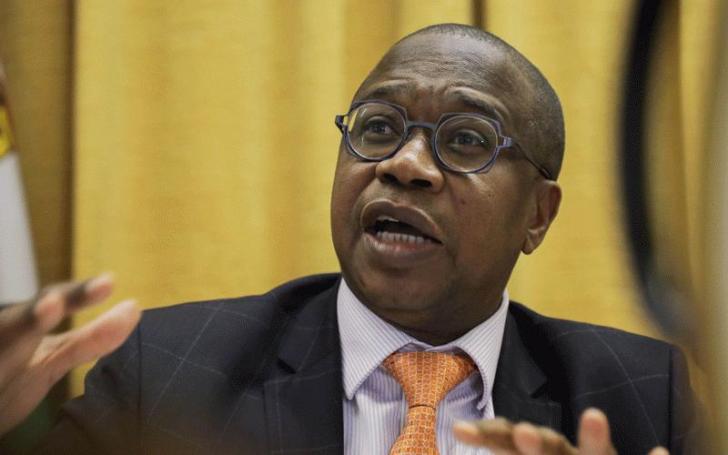
Finance, Economic Development, and Investment Promotion Minister, Professor Mthuli Ncube, has unveiled major tax reforms in the 2026 National Budget, targeting the rapidly expanding betting and gambling sector while adjusting digital transaction levies to stimulate economic activity.
The primary Bookmakers Tax will jump from 3% to 20% of gross revenues, affecting all licensed bookmakers, lotteries, and casino operators. The withholding tax on individual punters' winnings will more than double, rising from 10% to 25%.
Minister Ncube said the sector has grown at an annual rate of 8–10% between 2023 and 2024 but warned that this expansion has been accompanied by social harms, including addiction, indebtedness, and loss of productive hours, and that underreporting and profit-shifting had left the industry significantly under-taxed.
The 20% levy on operators' gross revenues will be treated as a final tax, exempting companies from additional Corporate Income Tax obligations. The move aligns with international practices, such as the UK's 21% tax on remote gaming profits and New Zealand's 12% offshore duty on online gambling.
The Intermediated Money Transfer Tax (IMTT) on ZiG transactions will be reduced from 2% to 1.5%, effective January 1, 2026. The measure aims to ease business transaction costs, encourage the use of local currency, and promote digital payments. Foreign currency IMTT rates will remain at 2%.
To offset the revenue loss from the IMTT reduction, Value Added Tax (VAT) will rise from 15% to 15.5%, maintaining fiscal balance while keeping VAT competitive regionally. In addition, the IMTT will now be tax-deductible for Corporate Income Tax purposes, reducing the burden on businesses.
Minister Ncube said the adjustments reflect government efforts to refine the tax framework, improve compliance, and support economic growth, noting that IMTT remains a stable source of revenue, contributing about 8% of total tax collections annually.
These reforms mark a significant recalibration of Zimbabwe's taxation system, balancing revenue generation with economic incentives for businesses and digital payment adoption.
The primary Bookmakers Tax will jump from 3% to 20% of gross revenues, affecting all licensed bookmakers, lotteries, and casino operators. The withholding tax on individual punters' winnings will more than double, rising from 10% to 25%.
Minister Ncube said the sector has grown at an annual rate of 8–10% between 2023 and 2024 but warned that this expansion has been accompanied by social harms, including addiction, indebtedness, and loss of productive hours, and that underreporting and profit-shifting had left the industry significantly under-taxed.
The 20% levy on operators' gross revenues will be treated as a final tax, exempting companies from additional Corporate Income Tax obligations. The move aligns with international practices, such as the UK's 21% tax on remote gaming profits and New Zealand's 12% offshore duty on online gambling.
To offset the revenue loss from the IMTT reduction, Value Added Tax (VAT) will rise from 15% to 15.5%, maintaining fiscal balance while keeping VAT competitive regionally. In addition, the IMTT will now be tax-deductible for Corporate Income Tax purposes, reducing the burden on businesses.
Minister Ncube said the adjustments reflect government efforts to refine the tax framework, improve compliance, and support economic growth, noting that IMTT remains a stable source of revenue, contributing about 8% of total tax collections annually.
These reforms mark a significant recalibration of Zimbabwe's taxation system, balancing revenue generation with economic incentives for businesses and digital payment adoption.
Source - The Herald
Join the discussion
Loading comments…


