News / National
Fuel prices surge in Zimbabwe
18 Mar 2026 at 16:07hrs |
0 Views
Zimbabweans are facing rising fuel costs following fresh price hikes announced by the Zimbabwe Energy Regulatory Authority, as global crude oil markets tighten due to ongoing conflict in the Middle East.
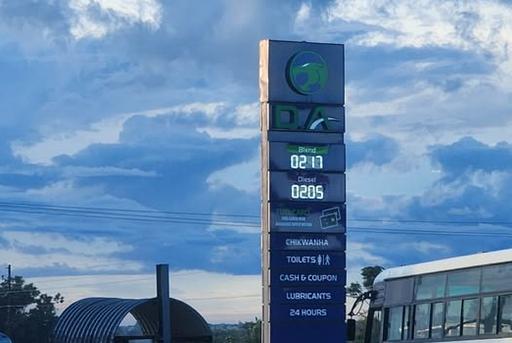
In a statement released on Wednesday, ZERA confirmed that diesel prices have jumped from US$1.77 to US$2.05 per litre, while blended petrol has risen sharply from US$1.71 to US$2.17 per litre.
Despite the increases, authorities have assured the public that the country has adequate fuel reserves. Government indicated that there are sufficient stocks of petroleum products across the supply chain, including reserves held at the strategic port of Beira and inland storage facilities, amounting to more than three months' supply cover.
Officials added that efforts are underway to diversify supply routes in response to disruptions linked to instability in the Middle East.
ZERA said the price adjustments are necessary to manage mounting cost pressures and to prevent fuel shortages and arbitrage in the domestic market. The regulator noted that prices will continue to be reviewed on a two-week cycle to reflect global market dynamics.
Government is also working closely with fuel traders to ensure equitable distribution of fuel, particularly to remote and underserved areas.
State-linked entities such as Petrotrade and National Oil Infrastructure Company are expected to play a central role in maintaining consistent supply across the country.
Authorities said the diesel price has been set with consideration for key sectors such as mining, agriculture, transport and haulage, which are heavily reliant on the fuel.
Government revealed that without intervention, diesel prices could have reached as high as US$2.20 per litre, indicating ongoing efforts to cushion consumers and businesses from the full impact of global price shocks.
In a move aimed at strengthening supply resilience, government has approved the importation of diesel by road with immediate effect, complementing existing pipeline and rail transport systems.
The development comes as Zimbabwe, like many other countries, grapples with the ripple effects of global energy market volatility, with fuel prices expected to remain under pressure in the near term.
In a statement released on Wednesday, ZERA confirmed that diesel prices have jumped from US$1.77 to US$2.05 per litre, while blended petrol has risen sharply from US$1.71 to US$2.17 per litre.
Despite the increases, authorities have assured the public that the country has adequate fuel reserves. Government indicated that there are sufficient stocks of petroleum products across the supply chain, including reserves held at the strategic port of Beira and inland storage facilities, amounting to more than three months' supply cover.
Officials added that efforts are underway to diversify supply routes in response to disruptions linked to instability in the Middle East.
ZERA said the price adjustments are necessary to manage mounting cost pressures and to prevent fuel shortages and arbitrage in the domestic market. The regulator noted that prices will continue to be reviewed on a two-week cycle to reflect global market dynamics.
Government is also working closely with fuel traders to ensure equitable distribution of fuel, particularly to remote and underserved areas.
State-linked entities such as Petrotrade and National Oil Infrastructure Company are expected to play a central role in maintaining consistent supply across the country.
Authorities said the diesel price has been set with consideration for key sectors such as mining, agriculture, transport and haulage, which are heavily reliant on the fuel.
Government revealed that without intervention, diesel prices could have reached as high as US$2.20 per litre, indicating ongoing efforts to cushion consumers and businesses from the full impact of global price shocks.
In a move aimed at strengthening supply resilience, government has approved the importation of diesel by road with immediate effect, complementing existing pipeline and rail transport systems.
The development comes as Zimbabwe, like many other countries, grapples with the ripple effects of global energy market volatility, with fuel prices expected to remain under pressure in the near term.
Source - byo24news
Join the discussion
Loading comments…


