News / National
Iron, steel industry set to become largest employer
04 Dec 2025 at 07:22hrs |
0 Views
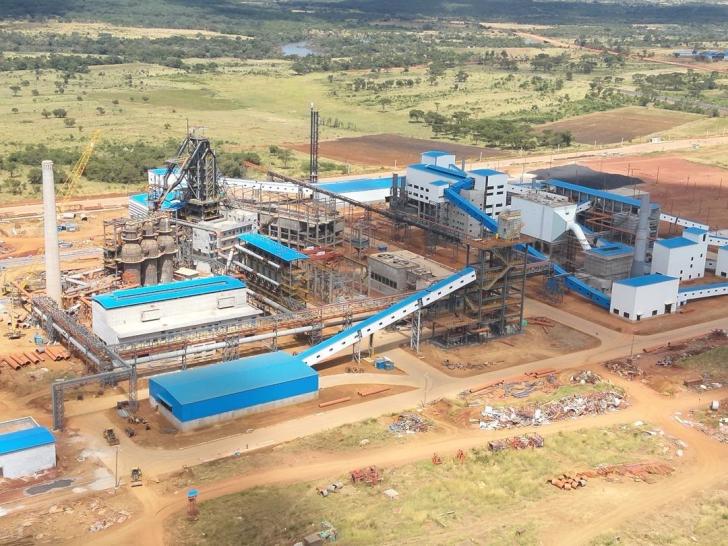
The iron and steel industry has emerged as Zimbabwe's fastest-growing sector, currently employing over 15,000 people, Industry and Commerce Minister Mangaliso Ndlovu has said. Speaking to students of the National Defence Course at the Zimbabwe National Defence University, Minister Ndlovu said the sector was "coming alive" and was poised to become the country's largest employer in the near future.
Zimbabwe produces between 50,000 and 60,000 tonnes of iron and steel products each month. Minister Ndlovu noted that the industry's employment figures are expected to surpass those of the sugar sector, which currently employs around 24,000 people across its value chain.
Highlighting the sector's contribution to the economy, Minister Ndlovu revealed that export earnings from manufactured goods have increased by 18 percent, rising from US$2.8 billion in 2017 to US$9.2 billion by the end of October this year. "We are registering strong growth in manufactured exports, which is critical because it adds value and creates jobs in our economy," he said.
The minister also cited the performance of the manufacturing index, which increased from an average of 46.6 percent in 2019 to 540.5 percent in 2024, representing a cumulative growth of more than 200 percent.
Minister Ndlovu expressed pride in Zimbabwe's manufacturing sector as the largest contributor to GDP, noting that this is rare in Africa, where economies are largely extractive. "Africa largely exports jobs to other countries that beneficiate our resources," he said. He also highlighted the government's efforts to implement decisive policies and reforms aimed at reducing regulatory burdens on businesses.
As part of ongoing measures to promote ease of doing business, the government has scrapped licence requirements in various sectors, including livestock, tourism, and transport, with plans to extend these reforms to the wholesale and retail sectors. Minister Ndlovu stressed that these initiatives are part of Zimbabwe's broader economic strategy to achieve upper-middle-class status by 2030.
Zimbabwe produces between 50,000 and 60,000 tonnes of iron and steel products each month. Minister Ndlovu noted that the industry's employment figures are expected to surpass those of the sugar sector, which currently employs around 24,000 people across its value chain.
Highlighting the sector's contribution to the economy, Minister Ndlovu revealed that export earnings from manufactured goods have increased by 18 percent, rising from US$2.8 billion in 2017 to US$9.2 billion by the end of October this year. "We are registering strong growth in manufactured exports, which is critical because it adds value and creates jobs in our economy," he said.
Minister Ndlovu expressed pride in Zimbabwe's manufacturing sector as the largest contributor to GDP, noting that this is rare in Africa, where economies are largely extractive. "Africa largely exports jobs to other countries that beneficiate our resources," he said. He also highlighted the government's efforts to implement decisive policies and reforms aimed at reducing regulatory burdens on businesses.
As part of ongoing measures to promote ease of doing business, the government has scrapped licence requirements in various sectors, including livestock, tourism, and transport, with plans to extend these reforms to the wholesale and retail sectors. Minister Ndlovu stressed that these initiatives are part of Zimbabwe's broader economic strategy to achieve upper-middle-class status by 2030.
Source - The Herald
Join the discussion
Loading comments…


