News / National
Mthuli Ncube signals flexibility on gold royalty hike
10 Dec 2025 at 06:58hrs |
0 Views
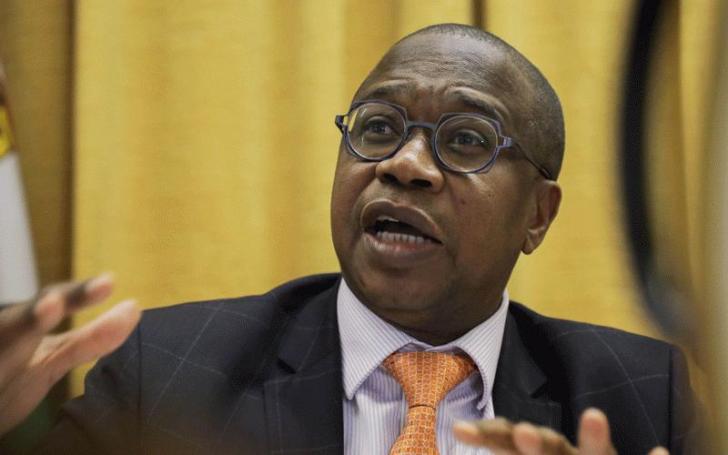
Finance Minister Mthuli Ncube has suggested he may revise proposed increases to gold royalties after strong pushback from miners who warn that doubling the tax could destabilise the sector, reduce investment and fuel smuggling.
Under the 2026 National Budget proposals, the Treasury is seeking to introduce a new sliding scale that would see gold producers surrender 10% of their earnings to government - up from the current 5%. If implemented, Zimbabwe would carry one of the highest gold royalty rates globally and the highest on the African continent.
Isaac Kwesu, Chief Executive Officer of the Chamber of Mines, cautioned that the revised structure could render Zimbabwe uncompetitive for new capital.
"At this rate, Zimbabwe would have the highest gold royalty in Africa and one of the highest in the world," he warned, adding that such a move could deter prospective investors and reduce the viability of ongoing operations.
Addressing business leaders during a post-budget seminar on Monday, Ncube said government was aware of industry objections and would consider adjustments.
"We have listened to comments on the royalties on gold. So, you may see some tweaking here and there. We received your submissions," he said.
The minister however maintained that investors tend to prioritise mineral resource potential over tax concerns, arguing that Zimbabwe's deposits remain a strong incentive even in a higher-tax environment.
Small-scale miners, who account for more than 75% of national gold output, are particularly alarmed. The Zimbabwe Miners Federation (ZMF) warned that the proposed increase could push producers underground.
"New investment in exploration and mine development will stall. We project a dramatic increase in smuggling as miners seek better returns in neighbouring countries with lower fiscal impositions," the federation said.
Amid the debate, Presidential spokesperson George Charamba issued a strong defence of the royalty hike, framing it as a necessary mechanism for the public to benefit from resource-driven windfalls.
Writing on X (formerly Twitter), Charamba criticised opponents of the policy:
"The way the debate on the rise of royalties on gold has been unfolding suggests embarrassing ignorance of principles of taxation. It's as if the page on WINDFALL TAXES was torn in the Public Finance book read.
He added that without increased royalties, profits would largely "leave the country as DIVIDEND," depriving citizens - whom he described as "stakeholders of the gold-bearing earth" - of fair benefit.
"Outside rank ignorance, why would a bona fide Zimbabwean argue against upward review of royalties, thus making the country assume a share of the windfall?"
The Ministry of Finance is expected to review industry submissions before finalising the fiscal framework, setting the stage for a critical showdown between government revenue needs and sector viability.
Under the 2026 National Budget proposals, the Treasury is seeking to introduce a new sliding scale that would see gold producers surrender 10% of their earnings to government - up from the current 5%. If implemented, Zimbabwe would carry one of the highest gold royalty rates globally and the highest on the African continent.
Isaac Kwesu, Chief Executive Officer of the Chamber of Mines, cautioned that the revised structure could render Zimbabwe uncompetitive for new capital.
"At this rate, Zimbabwe would have the highest gold royalty in Africa and one of the highest in the world," he warned, adding that such a move could deter prospective investors and reduce the viability of ongoing operations.
Addressing business leaders during a post-budget seminar on Monday, Ncube said government was aware of industry objections and would consider adjustments.
"We have listened to comments on the royalties on gold. So, you may see some tweaking here and there. We received your submissions," he said.
The minister however maintained that investors tend to prioritise mineral resource potential over tax concerns, arguing that Zimbabwe's deposits remain a strong incentive even in a higher-tax environment.
Small-scale miners, who account for more than 75% of national gold output, are particularly alarmed. The Zimbabwe Miners Federation (ZMF) warned that the proposed increase could push producers underground.
"New investment in exploration and mine development will stall. We project a dramatic increase in smuggling as miners seek better returns in neighbouring countries with lower fiscal impositions," the federation said.
Amid the debate, Presidential spokesperson George Charamba issued a strong defence of the royalty hike, framing it as a necessary mechanism for the public to benefit from resource-driven windfalls.
Writing on X (formerly Twitter), Charamba criticised opponents of the policy:
"The way the debate on the rise of royalties on gold has been unfolding suggests embarrassing ignorance of principles of taxation. It's as if the page on WINDFALL TAXES was torn in the Public Finance book read.
He added that without increased royalties, profits would largely "leave the country as DIVIDEND," depriving citizens - whom he described as "stakeholders of the gold-bearing earth" - of fair benefit.
"Outside rank ignorance, why would a bona fide Zimbabwean argue against upward review of royalties, thus making the country assume a share of the windfall?"
The Ministry of Finance is expected to review industry submissions before finalising the fiscal framework, setting the stage for a critical showdown between government revenue needs and sector viability.
Source - Pindula
Join the discussion
Loading comments…



