News / National
Mthuli Ncube signals royalty climbdown
11 Dec 2025 at 08:09hrs |
0 Views
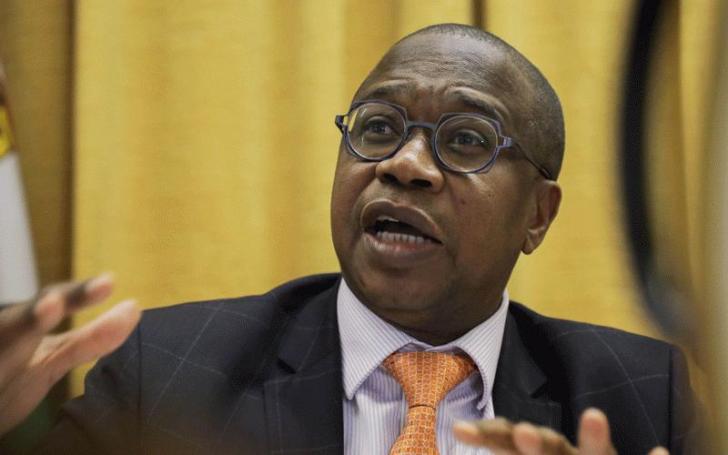
Finance Minister Professor Mthuli Ncube has indicated that Zimbabwe's proposed gold royalty regime may be adjusted following widespread concerns from large-scale and small-scale miners, who warned that the current structure could destabilise the industry.
Addressing the concerns, Minister Ncube said Treasury is undertaking a "fine balancing act" to ensure the sector's viability. "We will do a little bit of tweaking on royalties to ensure the sector remains viable," he stated, marking his first significant indication that the government may soften the proposed policy.
The current proposal would shift from a flat 5% royalty to a sliding-scale system pegged to international bullion prices, with large-scale producers paying 10% on deliveries of 2,501 ounces and above, 5% on 1,201–2,500 ounces, and 3% on output up to 1,200 ounces. Treasury had argued that the change would boost State revenues, but miners cautioned that the move could trigger production declines, disinvestment, and increased side marketing.
The Chamber of Mines of Zimbabwe (CMoZ) argued that the proposed 10% rate would make Zimbabwe one of the highest-royalty jurisdictions globally, noting that South Africa charges 5%, Ghana 5%, and Tanzania 6%. CMoZ CEO Isaac Kwesu said the policy threatens the sector's competitiveness and could encourage smuggling.
Large-scale operators, including Caledonia Mining Corporation, have warned that the higher royalty would undermine profitability and force a reassessment of planned capital projects. Small-scale miners, who contribute nearly 65% of national gold output, echoed these concerns, with the Zimbabwe Miners Federation warning that overly punitive royalties would push miners into informal markets or neighbouring countries with lower taxes.
Industry stakeholders also argued that the current proposal disproportionately penalises compliant, formal producers while failing to address widespread leakages in the artisanal segment, which already cost the State millions in lost revenue annually.
Minister Ncube's comments suggest that the government is receptive to industry input, acknowledging that miners' submissions were "compelling" and signalling potential adjustments to preserve gold production and investment in Zimbabwe's single largest foreign currency-earning sector.
Addressing the concerns, Minister Ncube said Treasury is undertaking a "fine balancing act" to ensure the sector's viability. "We will do a little bit of tweaking on royalties to ensure the sector remains viable," he stated, marking his first significant indication that the government may soften the proposed policy.
The current proposal would shift from a flat 5% royalty to a sliding-scale system pegged to international bullion prices, with large-scale producers paying 10% on deliveries of 2,501 ounces and above, 5% on 1,201–2,500 ounces, and 3% on output up to 1,200 ounces. Treasury had argued that the change would boost State revenues, but miners cautioned that the move could trigger production declines, disinvestment, and increased side marketing.
Large-scale operators, including Caledonia Mining Corporation, have warned that the higher royalty would undermine profitability and force a reassessment of planned capital projects. Small-scale miners, who contribute nearly 65% of national gold output, echoed these concerns, with the Zimbabwe Miners Federation warning that overly punitive royalties would push miners into informal markets or neighbouring countries with lower taxes.
Industry stakeholders also argued that the current proposal disproportionately penalises compliant, formal producers while failing to address widespread leakages in the artisanal segment, which already cost the State millions in lost revenue annually.
Minister Ncube's comments suggest that the government is receptive to industry input, acknowledging that miners' submissions were "compelling" and signalling potential adjustments to preserve gold production and investment in Zimbabwe's single largest foreign currency-earning sector.
Source - Business Times
Join the discussion
Loading comments…





