News / National
Zimbabwe wheat demand is outpacing bakeries
30 Jan 2026 at 05:43hrs |
0 Views
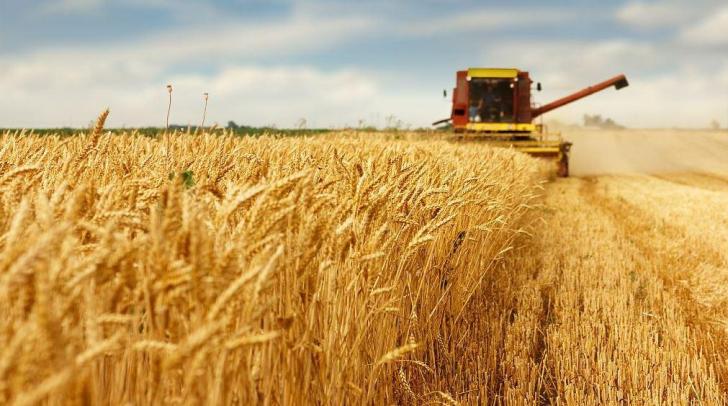
Zimbabwe has reached a historic turning point in its relationship with wheat, with national consumption for 2025 estimated at between 614,000 and 615,000 tonnes. The surge reflects a broader dietary shift, as "wheat sadza" has gained popularity alongside maize and indigenous small grains, signaling changing food preferences across the country.
Wheat production has grown dramatically, rising by more than 540 percent from approximately 94,000–100,000 tonnes in 2019 to 640,195 tonnes in 2025. This growth, driven by consistent government support under the Second Republic, has moved Zimbabwe into self-sufficiency territory for soft wheat, reducing the country's historical dependence on imports.
Industry experts predict that wheat consumption will continue to rise in 2026, reaching around 650,000 tonnes, cementing wheat as the second most widely consumed starch in the country after maize. Reneth Mano, an agricultural analyst, noted that wheat is no longer just a raw material for bread. Rising incomes and urbanisation have made products like pasta, noodles, biscuits, and savory pastries everyday staples, contributing to the "big jump" in national demand.
The dietary shift presents technical challenges, as Zimbabwe primarily produces soft wheat under irrigation, whereas high-quality pasta and biscuits require hard wheat with higher protein content. To address this, recent harvests have included increased volumes of high-protein hard wheat varieties promoted by ARDA and government programs, reducing reliance on imported gristing wheat. Under the traditional 70:30 blending policy, the country relied on 70 percent local soft wheat and 30 percent imported hard wheat. However, improved local varieties and record production are set to push imports below the 150,000-tonne threshold—a level achieved only three times since the 2010/11 season, according to Dr Mano.
Commercial needs for bread and pastries are estimated at 550,000 tonnes, with farmers retaining an additional 64,000 tonnes for seed and household use. Per capita wheat consumption rose to 28.38kg in 2025, up from 24.88kg in 2015, reflecting the growing importance of wheat in Zimbabwean diets.
In policy terms, the government adopted a wheat-based food security approach in 2024 during a severe drought, diverting 174,000 tonnes of local wheat for social welfare distribution while temporarily suspending the 70:30 blending requirement to allow private sector imports. This approach underlines Zimbabwe's commitment to strengthening domestic wheat production and ensuring food security amid evolving consumption patterns.
The combination of record production, changing diets, and supportive policies signals a new era for wheat in Zimbabwe, positioning the country to meet both domestic needs and reduce import dependency in the years ahead.
Wheat production has grown dramatically, rising by more than 540 percent from approximately 94,000–100,000 tonnes in 2019 to 640,195 tonnes in 2025. This growth, driven by consistent government support under the Second Republic, has moved Zimbabwe into self-sufficiency territory for soft wheat, reducing the country's historical dependence on imports.
Industry experts predict that wheat consumption will continue to rise in 2026, reaching around 650,000 tonnes, cementing wheat as the second most widely consumed starch in the country after maize. Reneth Mano, an agricultural analyst, noted that wheat is no longer just a raw material for bread. Rising incomes and urbanisation have made products like pasta, noodles, biscuits, and savory pastries everyday staples, contributing to the "big jump" in national demand.
The dietary shift presents technical challenges, as Zimbabwe primarily produces soft wheat under irrigation, whereas high-quality pasta and biscuits require hard wheat with higher protein content. To address this, recent harvests have included increased volumes of high-protein hard wheat varieties promoted by ARDA and government programs, reducing reliance on imported gristing wheat. Under the traditional 70:30 blending policy, the country relied on 70 percent local soft wheat and 30 percent imported hard wheat. However, improved local varieties and record production are set to push imports below the 150,000-tonne threshold—a level achieved only three times since the 2010/11 season, according to Dr Mano.
Commercial needs for bread and pastries are estimated at 550,000 tonnes, with farmers retaining an additional 64,000 tonnes for seed and household use. Per capita wheat consumption rose to 28.38kg in 2025, up from 24.88kg in 2015, reflecting the growing importance of wheat in Zimbabwean diets.
In policy terms, the government adopted a wheat-based food security approach in 2024 during a severe drought, diverting 174,000 tonnes of local wheat for social welfare distribution while temporarily suspending the 70:30 blending requirement to allow private sector imports. This approach underlines Zimbabwe's commitment to strengthening domestic wheat production and ensuring food security amid evolving consumption patterns.
The combination of record production, changing diets, and supportive policies signals a new era for wheat in Zimbabwe, positioning the country to meet both domestic needs and reduce import dependency in the years ahead.
Source - The Herald
Join the discussion
Loading comments…



