News / National
Middle East conflict rattles Zimbabwe's economic stability
13 Mar 2026 at 07:50hrs |
0 Views
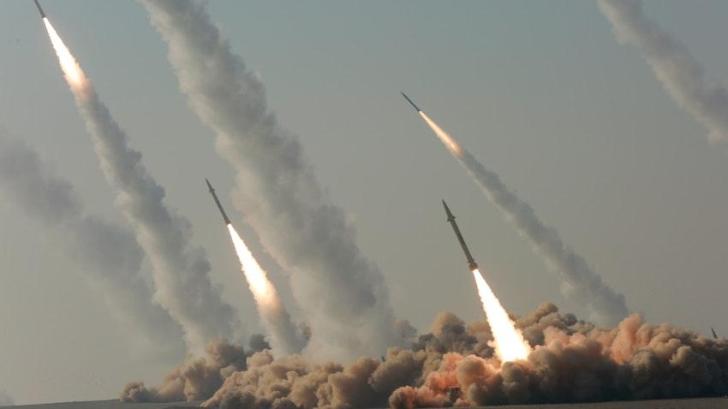
Escalating conflict in the Middle East is sending fresh shockwaves through Zimbabwe's economy, with rising global oil prices already pushing up local fuel costs and raising fears that external shocks could undermine the macroeconomic stability achieved in recent years.
The intensifying confrontation involving Iran, Israel and the United States has rattled global energy markets, triggering sharp increases in crude oil prices and prompting concern among policymakers and business leaders about the ripple effects on Zimbabwe's fragile economic recovery.
Zimbabwe, which relies heavily on imported fuel, has already begun to feel the impact. The Zimbabwe Energy Regulatory Authority (ZERA) recently increased fuel prices, with diesel rising to US$1.77 per litre and petrol blend (E5) climbing to US$1.71 per litre.
The adjustments represent a 16.4% increase, largely driven by volatility in international oil markets.
Authorities warned that another review could follow within two weeks as global prices continue to fluctuate.
Higher fuel costs are expected to ripple across the economy, increasing transport expenses and raising the cost of moving goods and people, developments likely to trigger price increases for a wide range of commodities.
Fuel prices are a key macroeconomic variable in Zimbabwe because of their strong link to inflation and economic performance. Rising energy costs raise production expenses across sectors including manufacturing, mining and agriculture.
For households already struggling with high living costs, the latest increase is likely to further squeeze disposable incomes.
Zimbabwe spent about US$1.8 billion on fuel imports in 2025, meaning sustained high global prices could significantly inflate the country's import bill.
The surge in oil prices has been fuelled by concerns over possible disruption in the Strait of Hormuz, a strategically critical maritime corridor connecting the Persian Gulf to the Gulf of Oman.
The waterway handles roughly 20–25% of global oil and liquefied natural gas shipments, making it the most important energy chokepoint in the world.
Since hostilities escalated, Iran has warned vessels against crossing the strait, prompting many shipping operators to avoid the route.
As a result, Brent crude prices have surged to about US$100 per barrel this week, up sharply from roughly US$69 earlier in the year.
Any disruption to traffic through the Strait of Hormuz could significantly constrain global oil supplies and push energy prices even higher.
John Mushayavanhu, governor of the Reserve Bank of Zimbabwe, warned that the unfolding crisis could introduce new external shocks that threaten macroeconomic stability.
"The conflict could be a threat to our macroeconomic stability, which is why we could not rush to change the policy rate from 35%," Mushayavanhu said.
"Imagine what could have happened if we had reduced the rates and the war comes. We were going to be forced to react again by increasing interest rates, and this would have affected our credibility."
Tapiwa Karoro, president of the Zimbabwe National Chamber of Commerce, said geopolitical tensions were already pushing international oil prices higher.
"Zimbabwe is a net fuel importer, so higher global prices translate almost directly into higher import costs and pump prices," Karoro said.
He warned that global conflict often drives investors away from emerging markets toward perceived safe-haven economies.
"This tightens access to external finance, raises the cost of capital and weakens currencies such as the Zimbabwe Gold through sentiment and expectations, even when domestic fundamentals remain unchanged," he said.
Karoro added that higher fuel and shipping costs could increase the price of imports such as machinery, industrial inputs and consumer goods while eroding export competitiveness due to rising logistics costs.
Economist Tony Hawkins said the scale of the economic impact would depend largely on how long the conflict persists.
"The effects of the war involving Iran, Israel and the United States are already being felt here," Hawkins said.
"The key immediate impact will be the price and availability of oil and gas."
He expects Zimbabwe's inflation rate to rise in coming months due to higher fuel prices and import costs.
Economist Vince Musewe also warned that the crisis could trigger broader inflationary pressures.
"The immediate impact is a hike in fuel prices and eventually liquefied gas. These increases reduce households' disposable income and raise business operating costs," Musewe said.
"We are bound to see imported inflation creeping up."
Misheck Ugaro, vice-president of the Zimbabwe Economics Society, said Zimbabwe had limited short-term options to shield itself from the external shock.
"In the short term there is little we can do. But over the medium to long term, we must strengthen import substitution and diversify supply sources," he said.
Economist Eddie Cross described the fuel price spike as an early warning of wider global economic consequences.
"This is a major development. It will increase the cost of everything we use and consume," Cross said.
Christopher Mugaga, chief executive of the Zimbabwe National Chamber of Commerce, said oil accounts for between 10% and 15% of production costs across the economy.
"That means price adjustments across the economy could fall within that range," Mugaga said.
He also warned that the conflict could disrupt Zimbabwe's trade routes through Dubai in the United Arab Emirates, which has become one of the country's most important export markets, particularly for gold.
In January alone, exports to Dubai reached about US$500 million, representing roughly half of Zimbabwe's total export earnings.
Most of Zimbabwe's gold exports pass through Dubai's global trading hub before reaching final markets.
Any disruption to flights, shipping, insurance or payment channels through the Gulf could slow this critical export pipeline.
However, analysts say rising global gold prices during periods of geopolitical uncertainty could partly offset the negative effects.
Zimbabwe's gold sector generated about US$4.5 billion in export earnings in 2025, nearly double the previous year.
Despite this potential upside, analysts warn that logistical disruptions could limit Zimbabwe's ability to fully benefit from higher prices.
If the conflict persists, travel costs could also rise, potentially affecting tourism flows that rely on Middle Eastern hub airports.
Emirates currently operates flights between Harare and Dubai, although services have experienced temporary disruptions in recent weeks.
Beyond the immediate economic impact, analysts say the crisis highlights Zimbabwe's continued vulnerability to global shocks, particularly those linked to energy markets and international trade routes.
The intensifying confrontation involving Iran, Israel and the United States has rattled global energy markets, triggering sharp increases in crude oil prices and prompting concern among policymakers and business leaders about the ripple effects on Zimbabwe's fragile economic recovery.
Zimbabwe, which relies heavily on imported fuel, has already begun to feel the impact. The Zimbabwe Energy Regulatory Authority (ZERA) recently increased fuel prices, with diesel rising to US$1.77 per litre and petrol blend (E5) climbing to US$1.71 per litre.
The adjustments represent a 16.4% increase, largely driven by volatility in international oil markets.
Authorities warned that another review could follow within two weeks as global prices continue to fluctuate.
Higher fuel costs are expected to ripple across the economy, increasing transport expenses and raising the cost of moving goods and people, developments likely to trigger price increases for a wide range of commodities.
Fuel prices are a key macroeconomic variable in Zimbabwe because of their strong link to inflation and economic performance. Rising energy costs raise production expenses across sectors including manufacturing, mining and agriculture.
For households already struggling with high living costs, the latest increase is likely to further squeeze disposable incomes.
Zimbabwe spent about US$1.8 billion on fuel imports in 2025, meaning sustained high global prices could significantly inflate the country's import bill.
The surge in oil prices has been fuelled by concerns over possible disruption in the Strait of Hormuz, a strategically critical maritime corridor connecting the Persian Gulf to the Gulf of Oman.
The waterway handles roughly 20–25% of global oil and liquefied natural gas shipments, making it the most important energy chokepoint in the world.
Since hostilities escalated, Iran has warned vessels against crossing the strait, prompting many shipping operators to avoid the route.
As a result, Brent crude prices have surged to about US$100 per barrel this week, up sharply from roughly US$69 earlier in the year.
Any disruption to traffic through the Strait of Hormuz could significantly constrain global oil supplies and push energy prices even higher.
John Mushayavanhu, governor of the Reserve Bank of Zimbabwe, warned that the unfolding crisis could introduce new external shocks that threaten macroeconomic stability.
"The conflict could be a threat to our macroeconomic stability, which is why we could not rush to change the policy rate from 35%," Mushayavanhu said.
"Imagine what could have happened if we had reduced the rates and the war comes. We were going to be forced to react again by increasing interest rates, and this would have affected our credibility."
Tapiwa Karoro, president of the Zimbabwe National Chamber of Commerce, said geopolitical tensions were already pushing international oil prices higher.
"Zimbabwe is a net fuel importer, so higher global prices translate almost directly into higher import costs and pump prices," Karoro said.
He warned that global conflict often drives investors away from emerging markets toward perceived safe-haven economies.
"This tightens access to external finance, raises the cost of capital and weakens currencies such as the Zimbabwe Gold through sentiment and expectations, even when domestic fundamentals remain unchanged," he said.
Karoro added that higher fuel and shipping costs could increase the price of imports such as machinery, industrial inputs and consumer goods while eroding export competitiveness due to rising logistics costs.
Economist Tony Hawkins said the scale of the economic impact would depend largely on how long the conflict persists.
"The effects of the war involving Iran, Israel and the United States are already being felt here," Hawkins said.
"The key immediate impact will be the price and availability of oil and gas."
He expects Zimbabwe's inflation rate to rise in coming months due to higher fuel prices and import costs.
Economist Vince Musewe also warned that the crisis could trigger broader inflationary pressures.
"The immediate impact is a hike in fuel prices and eventually liquefied gas. These increases reduce households' disposable income and raise business operating costs," Musewe said.
"We are bound to see imported inflation creeping up."
Misheck Ugaro, vice-president of the Zimbabwe Economics Society, said Zimbabwe had limited short-term options to shield itself from the external shock.
"In the short term there is little we can do. But over the medium to long term, we must strengthen import substitution and diversify supply sources," he said.
Economist Eddie Cross described the fuel price spike as an early warning of wider global economic consequences.
"This is a major development. It will increase the cost of everything we use and consume," Cross said.
Christopher Mugaga, chief executive of the Zimbabwe National Chamber of Commerce, said oil accounts for between 10% and 15% of production costs across the economy.
"That means price adjustments across the economy could fall within that range," Mugaga said.
He also warned that the conflict could disrupt Zimbabwe's trade routes through Dubai in the United Arab Emirates, which has become one of the country's most important export markets, particularly for gold.
In January alone, exports to Dubai reached about US$500 million, representing roughly half of Zimbabwe's total export earnings.
Most of Zimbabwe's gold exports pass through Dubai's global trading hub before reaching final markets.
Any disruption to flights, shipping, insurance or payment channels through the Gulf could slow this critical export pipeline.
However, analysts say rising global gold prices during periods of geopolitical uncertainty could partly offset the negative effects.
Zimbabwe's gold sector generated about US$4.5 billion in export earnings in 2025, nearly double the previous year.
Despite this potential upside, analysts warn that logistical disruptions could limit Zimbabwe's ability to fully benefit from higher prices.
If the conflict persists, travel costs could also rise, potentially affecting tourism flows that rely on Middle Eastern hub airports.
Emirates currently operates flights between Harare and Dubai, although services have experienced temporary disruptions in recent weeks.
Beyond the immediate economic impact, analysts say the crisis highlights Zimbabwe's continued vulnerability to global shocks, particularly those linked to energy markets and international trade routes.
Source - Business Times
Join the discussion
Loading comments…



